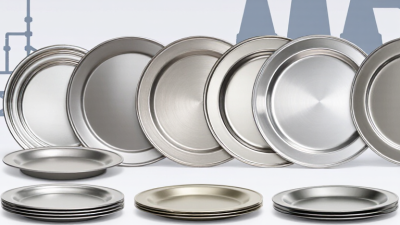
Why Choose Stainless Steel Plates for Global Sourcing?
Global buyers increasingly evaluate Stainless Steel Plates through durability, traceability, and lifecycle value. The International Stainless Steel Forum’s Stainless Steel in Figures 2024 reported approximately 58.4 million tonnes of stainless steel production in 2023. That volume reflects a mature, competitive supply base. It also creates more choices, and more risks. A low quotation may hide weaker tolerances, unclear origin, or unsuitable surface treatment.
Dr. John C. Lippold, a recognized welding and metallurgy specialist, states, “Stainless steel is a family of alloys, not a single material.” This distinction matters during international procurement. Grade 304 may suit general equipment and architectural use. Grade 316L usually offers stronger resistance in chloride-rich environments. Neither grade is automatically correct. Service temperature, welding method, plate thickness, and cleaning chemicals must be checked together.
The World Stainless Life Cycle Inventory data also supports stainless steel’s long-term resource value, because the material remains highly recyclable. However, recycled content and carbon impact vary by producer, electricity mix, and manufacturing route. Buyers should request mill test certificates, heat numbers, inspection records, and applicable EN or ASTM compliance. They should also verify flatness, thickness deviation, edge condition, and protective packaging before shipment.
That takes discipline.
Experience shows that specification errors often cost more than material price differences. Still, global sourcing is not risk-free. Port delays, changing alloy surcharges, and inconsistent documentation can disrupt schedules. Stainless Steel Plates become a sound sourcing choice when technical verification supports the commercial decision, not when a polished quotation does.
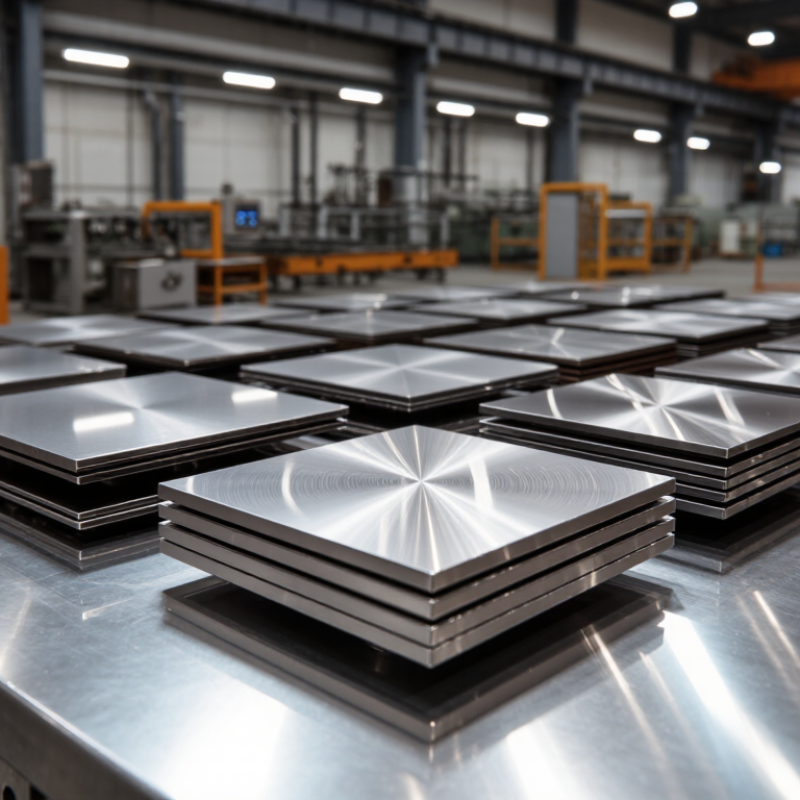
Stainless steel plates are flat, thick products made from corrosion-resistant steel. They usually contain at least 10.5% chromium, which forms a self-healing oxide film on the surface. Nickel, molybdenum, and nitrogen can improve strength, ductility, or resistance to chemicals. Plate thickness definitions vary by standard and market, so buyers should verify the exact specification.
Production begins with melting stainless scrap, iron, chromium, and other alloying materials in an electric furnace. Refining processes, such as argon oxygen decarburization, reduce unwanted carbon. The molten steel is continuously cast into slabs. These slabs are reheated, hot-rolled, and cooled. Additional annealing, pickling, or cold rolling may follow, depending on the required finish and tolerance.
The International Stainless Steel Forum reported approximately 58.4 million tonnes of crude stainless steel production in 2023. That volume shows the scale of the supply chain, but it does not guarantee identical quality between mills. A bright surface can still hide poor flatness.
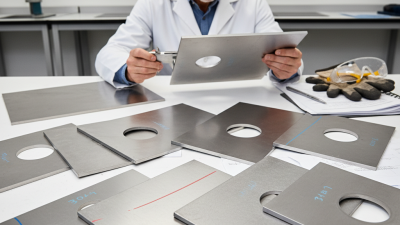
Tips: Request the grade, thickness tolerance, surface finish, heat number, and inspection certificate. Confirm whether “plate” follows ASTM, EN, or another standard. Ask for photographs of edges and surfaces. Small details matter. Check packaging before shipment, especially in humid routes. In my experience, unclear terminology creates more sourcing problems than the alloy itself. A supplier may call a product plate, while the applicable standard treats it as sheet. Reflection is necessary here. The cheapest offer can become expensive after rework, testing, or delayed installation.
Stainless steel plates suit global use because their properties remain dependable across changing climates, industries, and transport conditions. Chromium in the steel forms a passive surface layer that helps resist moisture and oxidation. In coastal warehouses, this matters when salt air settles on unprotected metal. The surface still needs cleaning. No plate is completely maintenance-free.
Different grades offer different balances of corrosion resistance, strength, and cost. Austenitic grades usually perform well in food equipment, chemical areas, and humid facilities. Other grades may provide higher hardness or better resistance to specific environments. The correct selection depends on temperature, chemicals, loading, and fabrication methods. A familiar mistake is choosing by appearance alone. A polished plate can look excellent while its grade remains unsuitable.
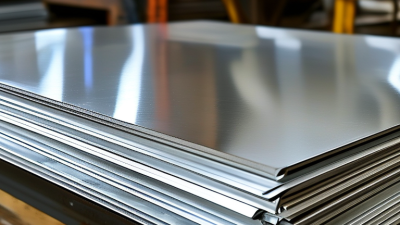
Strength and formability also support international manufacturing. Plates can be cut, bent, welded, and machined into tanks, frames, panels, and structural components. Their stable performance across temperature changes helps reduce unexpected distortion during service. Many projects also require thickness tolerances, surface finishes, heat numbers, and mill test certificates for traceability. These records help buyers compare shipments and investigate quality concerns. Yet documentation is not proof of perfect installation. I have seen well-certified material perform poorly after contamination from carbon-steel tools. Clean handling matters. Global transport adds another concern: protective packaging should limit scratches, condensation, and contact with dissimilar metals. Small oversights can become expensive overseas.
| Material / Grade | Typical Composition | Corrosion Resistance | Typical Density | Typical Tensile Strength | Magnetic Behavior | Common Global Applications |
|---|---|---|---|---|---|---|
| 304 / 304L Austenitic | Approximately 18% Cr, 8% Ni; 304L has lower carbon content | Good general resistance to atmospheric moisture, many organic chemicals, and food-processing environments | About 8.0 g/cm³ | Approximately 515–750 MPa, depending on specification and condition | Generally non-magnetic when annealed; may become slightly magnetic after cold working | Architectural panels, kitchen equipment, food-processing machinery, tanks, piping, and general fabrication |
| 316 / 316L Austenitic | Approximately 16–18% Cr, 10–14% Ni, 2–3% Mo; 316L has lower carbon content | Higher resistance than 304 to chlorides, marine exposure, and many chemical environments because of molybdenum | About 8.0 g/cm³ | Approximately 515–750 MPa, depending on specification and condition | Generally non-magnetic when annealed; limited magnetism may develop after forming | Marine equipment, chemical-process systems, pharmaceutical facilities, heat exchangers, and coastal construction |
| 430 Ferritic | Approximately 16–18% Cr; nickel is normally absent or present only in small amounts | Good resistance in mildly corrosive and indoor environments; less suitable for severe chloride exposure | About 7.7 g/cm³ | Approximately 450–600 MPa, depending on product condition | Magnetic | Appliance panels, kitchen equipment, automotive trim, indoor architectural features, and decorative plate work |
| 2205 Duplex | Approximately 22% Cr, 5% Ni, 3% Mo, with nitrogen; mixed austenitic-ferritic structure | Very good resistance to chloride pitting, crevice corrosion, and stress-corrosion cracking | About 7.8 g/cm³ | Typically about 620–900 MPa, depending on the governing specification | Magnetic | Pressure vessels, offshore structures, desalination systems, chemical tanks, and high-strength process equipment |
| Global-Sourcing Property | Why It Matters | Practical Benefit for International Buyers | Typical Verification Method | Procurement Consideration | ||
| Long service life | The chromium-rich passive film helps protect the steel from many forms of atmospheric and chemical corrosion | Lower replacement frequency and reduced lifecycle maintenance in suitable environments | Material certificates, chemical analysis, visual inspection, and application-specific corrosion testing | Select the grade according to chloride level, temperature, chemicals, surface condition, and cleaning practices | ||
| Standardized international grades | Common grades can be specified through widely recognized systems such as ASTM, EN, and ISO | Improves communication between buyers, fabricators, inspectors, and logistics providers across countries | Review the stated standard, grade designation, heat number, and inspection certificate | Specify the standard, grade, thickness tolerance, plate dimensions, surface finish, and testing requirements in the purchase order | ||
| Fabrication versatility | Many stainless steel plates can be cut, formed, welded, machined, and finished using established industrial processes | Supports diverse designs and reduces the need for specialized downstream materials | Welding procedure qualification, bend testing, dimensional inspection, and surface-finish checks | Confirm forming limits, welding consumables, heat input controls, and post-weld cleaning requirements | ||
| Hygienic and cleanable surface | Smooth, properly finished stainless surfaces are easy to clean and do not require paint coatings for basic corrosion protection | Suitable for food, beverage, pharmaceutical, medical, and other cleanliness-sensitive applications | Surface roughness measurement, cleanliness inspection, passivation records, and applicable sanitary requirements | Define the required finish, roughness level, edge condition, protective film, and contamination-control procedure | ||
| Recyclability and material recovery | Stainless steel is a recyclable metal and retains material value at the end of its service life | Supports circular-material goals and may reduce long-term environmental impact when responsibly managed | Supplier sustainability documentation, recycled-content declarations, and chain-of-custody records where required | Request environmental documentation only when relevant to the project specification or reporting framework | ||

Stainless steel plates can make international sourcing more cost-effective when buyers measure total cost, not only the quoted price. Their corrosion resistance often reduces repainting, replacement, and emergency maintenance. This matters in humid ports, food-processing rooms, and outdoor equipment yards. The cheapest quote can mislead.
In practical procurement reviews, plate grade, thickness tolerance, and surface finish strongly affect real spending. A suitable grade may prevent premature failure, while accurate thickness reduces cutting waste. Request mill test certificates, dimensional reports, and corrosion-related data before approving a supplier. These documents improve traceability and support reliable quality decisions. Still, paperwork alone cannot replace physical inspection.
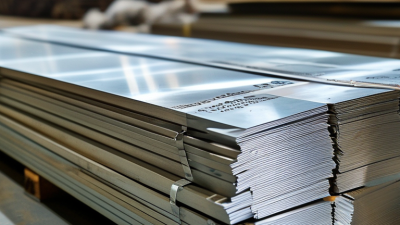
Shipping plans also influence the final price. Standard plate sizes usually use container space more efficiently than unusual dimensions. Strong export packaging helps prevent edge damage, moisture marks, and costly claims during long transit. Compare freight, insurance, duties, processing, and local handling charges in one worksheet. Small details matter. A 2% material saving may disappear through poor nesting or extra port storage.
Experienced buyers should also review supplier capacity, inspection routines, and response times. A factory that communicates clearly can reduce delays when specifications change. However, no sourcing plan is perfect. Forecasts may shift, and a theoretically efficient grade may be unavailable during peak demand. Keeping an approved alternative can protect schedules, although it may increase qualification work. Cost control requires evidence, flexibility, and repeated review.
Global stainless steel production reached about 58.4 million metric tons in 2023, according to International Stainless Steel Forum statistics. Such scale creates choice, but also inconsistency. Buyers should judge documents and test results, not only attractive prices.
For plate purchases, check ASTM A240/A240M or EN 10088-2 compliance. The certificate should show the exact grade, heat number, chemical composition, dimensions, and delivery condition. Confirm chromium, nickel, molybdenum, carbon, and nitrogen values against the specified grade. A familiar grade name is not enough.
Ask for mechanical results tested under ISO 6892-1. Yield strength, tensile strength, and elongation should match the purchase specification. For duplex plates, ASTM A923 testing can help detect harmful intermetallic phases. Surface condition also matters. Request roughness records, visual inspection, and thickness mapping, especially near plate edges.
Traceability must reach the original heat. Keep mill certificates, inspection reports, and independent test records together. Third-party inspection is useful for high-value shipments, but it cannot replace a clear specification. One practical weakness remains: buyers sometimes accept certificates without verifying heat numbers physically. That small gap can become a costly problem.
Ask for positive material identification when the application is critical. Check packaging, marking, and moisture protection before dispatch. These details are easy to overlook.
Stainless steel plates suit global projects because they resist corrosion, heat, and repeated handling. Their long service life can reduce replacement costs in demanding environments. However, material performance depends on the correct grade, thickness, surface finish, and testing standard. A plate may look flawless while its certification contains gaps. Documentation matters.
Global buyers should evaluate suppliers through evidence, not polished sales language. Request mill test certificates, heat numbers, dimensional reports, and traceability records. Confirm whether testing follows the required international or project standard. Review production capacity, packaging methods, export experience, and delivery planning. A reliable supplier explains tolerances clearly and answers technical questions without avoiding details. Samples, independent inspections, and video audits can reveal how the supplier actually works.
I once focused too heavily on price and underestimated packaging risks. That decision was cheaper on paper, not in practice.
Tips: Compare at least three qualified suppliers before choosing. Ask for recent inspection examples. Verify plate dimensions after production, not only before shipment. Check moisture protection, edge guards, and loading photos. Keep records. Also, clarify payment terms, delivery responsibilities, and claims procedures in writing. No checklist is perfect. Buyers should revisit their requirements when the application, destination, or compliance expectations change.