Global buyers need more than a long supplier list when sourcing Stainless Steel Plates. They need dependable quality, clear documentation, and delivery plans that survive real commercial pressure. A plate may look flawless under warehouse lighting, yet its chemistry, thickness tolerance, or surface finish can still fail a project requirement. This guide examines reputable suppliers through practical purchasing criteria, not promotional claims alone.
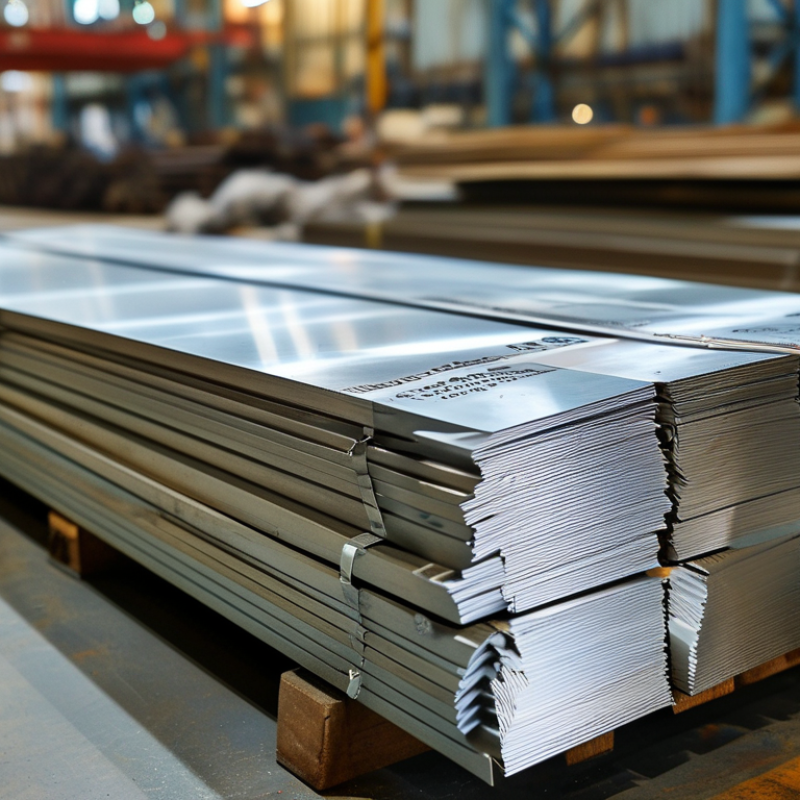
Experienced buyers usually compare grades such as 304, 316L, 321, and duplex stainless steel. They review mill test certificates, heat numbers, inspection reports, and applicable standards. Traceability matters. So does consistency between the first shipment and the next one. Reliable suppliers should explain their production capacity, cutting services, packaging methods, and export experience in specific terms. Photos of strapped bundles and seaworthy crates can reveal more than vague promises.
Delivery also deserves close attention. Port congestion, corrosion during transit, and incomplete customs documents can create expensive delays. Strong suppliers communicate early when specifications or schedules change. That sounds simple, but it is often where relationships weaken. Independent inspection may add cost, although it can protect a larger investment. Buyers should also check payment terms, warranty language, and after-sales response before signing contracts.
No supplier ranking remains perfect forever. Prices fluctuate, mills change policies, and regional performance can vary. This review therefore treats reliability as evidence-based rather than permanent. The best choice depends on grade, quantity, finish, destination, and risk tolerance. A careful comparison can turn Stainless Steel Plates from a basic commodity into a controlled, traceable, and dependable part of global procurement.
Stainless steel plates are flat, rolled metal products used where strength, hygiene, and corrosion resistance matter. They usually contain iron, chromium, and carefully controlled alloying elements. Chromium forms a thin protective oxide layer on the surface. This layer helps the plate resist moisture, chemicals, and repeated cleaning.
Plate thickness, grade, surface finish, and mechanical properties affect its performance. Unlike thin sheet, plate supports heavier loads and withstands demanding fabrication. Industries use it for pressure equipment, storage tanks, ship structures, bridges, food-processing lines, and architectural components.
Common finishes include mill, brushed, and polished surfaces. A polished finish does not always mean better performance. Easy to miss.
Global buyers need plates that match operating conditions, not just a low purchase price. A food-processing facility may prioritize cleanability and low surface roughness. A coastal project may require stronger resistance to salt exposure. Buyers should confirm dimensions, tolerances, testing requirements, and applicable standards before placing an order.
One recurring procurement error is choosing by price alone.
Lower upfront cost can create higher cutting, welding, or maintenance expenses. Supplier evaluation should include mill test certificates, heat numbers, inspection records, and production traceability. Packaging matters too. For overseas shipments, sealed protection and stable support can reduce moisture damage, edge distortion, and surface scratches.
Even experienced teams can overlook transit conditions. That assumption can fail. Clear drawings, realistic delivery schedules, and independent inspection help reduce avoidable disputes.
Global buyers should compare stainless steel plates by grade, finish, dimensions, and documented performance. The International Stainless Steel Forum reported global crude stainless production of about 58.4 million tonnes in 2023. This scale does not remove specification risks. Grade 304 suits general fabrication, while 316L offers stronger resistance in chloride exposure. Duplex 2205 provides higher strength, but welding controls require closer attention.
Surface finish changes both appearance and service behavior. Mill finishes such as 2B support hygienic equipment and routine forming. BA gives a brighter, smoother surface, while No.4 provides visible directional brushing. Polished finishes can improve cleanability, yet they may reveal scratches quickly. Plate thickness commonly ranges from thin sheets below 1 millimeter to heavy sections above 100 millimeters. Widths near 1,500 millimeters are widely traded, but actual limits depend on the mill and cutting plan.
Purchasing documents should reference ASTM A240 or EN 10088-2 for plate requirements. ASTM A480 also helps define tolerances, finish, and inspection practices. Mechanical testing should verify yield strength, tensile strength, and elongation, preferably through EN 10204 3.1 certificates. For sour-service applications, ISO 15156 requirements may apply. Reports do not always align perfectly across regions. Buyers should check heat numbers, corrosion tests, flatness, and ultrasonic inspection needs before accepting quotations. A low price can hide unsuitable tolerances or an unverified finish.
Choosing a stainless steel plate supplier worldwide requires more than comparing prices. Start with grade certificates, mill test reports, and traceability from heat number to delivered plate. Ask whether documents match the actual material, not a recycled template. A serious supplier should explain chemical composition, mechanical properties, thickness tolerance, and surface finish clearly. I have found that vague answers often signal weak process control. Still, paperwork alone is not proof.
Assess production experience through recent project records, inspection procedures, and packing photos showing plate identification. Request samples when possible, then check dimensions, flatness, edges, and surface marks with calibrated tools. Independent inspection can verify testing before shipment. It adds cost, but one hidden lamination can cost far more later. Confirm available grades, plate sizes, cutting capability, and realistic monthly capacity. Promised capacity means little without delivery evidence. Buyers sometimes trust confidence over data.
Reliability also depends on communication and export discipline. Check how the supplier handles nonconformities, replacement claims, packaging damage, and delayed vessels. Written acceptance criteria should cover inspection standards, tolerances, packing, documents, and payment milestones. Verify that packaging protects corners and dry surfaces during ocean transit. Compare quotations using the same technical basis, including freight terms and inspection scope. A low offer may exclude essential tests. Ask difficult questions early. Even experienced buyers can overlook a small detail.
| Assessment Dimension | What Global Buyers Should Check | Recognized Technical Reference | Practical Acceptance Benchmark | Evidence to Request |
|---|---|---|---|---|
| Product Standards | Confirm that the supplier can manufacture or source plates to the destination-market standard. | ASTM A240/A240M, EN 10088-2, JIS G4304, or an agreed equivalent. | The purchase order, material certificate, and inspection report should reference the same standard and grade. | Technical datasheet, purchase-order template, and sample mill test certificate. |
| Common Austenitic Grades | Review suitability for general fabrication, food equipment, chemical service, and marine exposure. | Grade 304/304L and 316/316L are widely specified under ASTM A240 and EN 10088-2. | 304L: maximum carbon commonly specified at 0.030%; 316L: maximum carbon commonly specified at 0.030% with molybdenum typically 2.0–3.0%. | Heat analysis, product analysis where required, and grade-specific test certificates. |
| Ferritic Grade Capability | Determine whether the supplier offers lower-cost corrosion-resistant options for indoor, architectural, or mildly corrosive applications. | Grade 430 is commonly covered by ASTM A240 and EN 10088-2. | Typical specification includes chromium around 16–18% and lower nickel content than austenitic grades. | Chemical composition report and application-specific corrosion guidance. |
| Thickness and Dimensional Control | Check whether the supplier controls thickness, width, length, flatness, and edge condition consistently. | Applicable dimensional tolerances in ASTM, EN, JIS, or the agreed purchase specification. | Tolerance must be stated in the quotation; do not accept “standard tolerance” without a referenced standard. | Inspection plan, dimensional inspection report, and calibrated measuring-equipment records. |
| Surface Finish | Match the finish to the end use, such as fabrication, architectural panels, food processing, or decorative work. | Common finishes include 1D, 2B, No. 3, No. 4, and BA; EN 10088-2 provides widely used finish designations. | The finish code, roughness requirement where applicable, and protective-film specification should appear on the order. | Surface photographs, finish samples, roughness records, and packaging details. |
| Mechanical Properties | Verify yield strength, tensile strength, elongation, and hardness for the selected grade and condition. | Values specified by ASTM A240, EN 10088-2, JIS G4304, or the contract specification. | Mechanical results must be traceable to the heat number and test location shown on the certificate. | Mill test certificate, tensile-test results, hardness report, and heat-number traceability. |
| Certification and Traceability | Assess whether each plate or bundle can be traced back to the production heat and inspection records. | ISO 9001 quality management; EN 10204 Type 3.1 inspection certificate where required. | Heat number, grade, dimensions, test results, and authorized sign-off should be consistent across documents. | ISO certificate, EN 10204 certificate sample, traceability procedure, and production records. |
| Testing and Inspection | Confirm the supplier’s ability to perform chemical, mechanical, visual, dimensional, and non-destructive testing when specified. | ASTM, EN, ISO, or project-specific test methods stated in the purchase specification. | Inspection scope and sampling frequency should be agreed before production rather than after shipment. | Inspection and test plan, laboratory accreditation details, and third-party inspection procedure. |
| Manufacturing and Processing Options | Evaluate availability of cutting, leveling, slitting, edge preparation, drilling, polishing, and custom sizing. | Processing requirements should be defined by approved drawings or a written technical specification. | Supplier should confirm maximum processing dimensions, achievable tolerances, and inspection responsibility. | Equipment list, process capability statement, sample inspection report, and approved drawing. |
| Export and Logistics Readiness | Check export documentation, packing quality, container loading practices, and ability to meet the buyer’s Incoterms. | Incoterms® 2020 should be stated clearly in the quotation and contract. | Quotation should identify Incoterm, named place, packing method, document list, and shipment responsibility. | Packing specification, sample export documents, loading photographs, and logistics references. |
| Commercial Evaluation | Compare total landed cost rather than material price alone. | Include material price, processing, packing, freight, insurance, duties, testing, and inspection fees. | A valid comparison requires identical grade, finish, dimensions, quantity, delivery term, and documentation scope. | Itemized quotation, validity period, payment terms, warranty conditions, and surcharge policy. |
| Supplier Qualification Score | Use a weighted score to compare suppliers objectively across quality, service, compliance, and cost. | A buyer-defined scorecard is appropriate for prequalification and periodic supplier review. | Suggested weighting: technical compliance 30%, quality system 25%, delivery reliability 20%, service 15%, total cost 10%. | Completed supplier questionnaire, audit results, trial-order performance, and corrective-action records. |

Note: Requirements and acceptance criteria should be confirmed against the applicable product standard, project specification, destination-country regulations, and final purchase contract.
Top Stainless Steel Plates Suppliers for Global Buyers
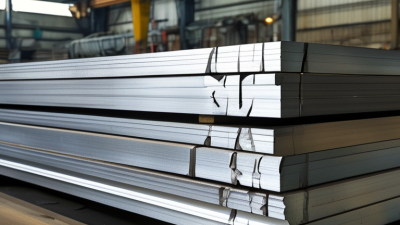
Reliable suppliers combine plate-making expertise with stable export operations. Their capabilities should include hot-rolled and cold-rolled production, precise thickness control, surface finishing, cutting, and testing. Experienced mills can provide 304, 316L, duplex, and other common grades with traceable heat numbers. Certificates should match the actual shipment, not a recycled document. A useful inspection checks plate flatness, edge condition, dimensions, and protective packaging. Small details matter.
Production regions influence lead times, material availability, and freight costs. Large industrial areas often provide stronger access to steelmaking, machining, ports, and independent inspection services. However, location alone does not prove capability. Buyers should request recent production photos, mill test certificates, equipment lists, and references for similar export orders. A polished website is not evidence. Physical verification remains better, although it can increase purchasing time and cost.
Tips: Confirm the grade, thickness range, tolerance, and surface finish in writing. Ask whether the supplier supports third-party inspection before shipment. Check export experience through packing lists, container photos, and document samples. Confirm seaworthy packing, moisture protection, marking, and loading procedures. Clarify payment terms, delivery responsibility, and customs documents early. Plans change. Leave schedule space. A cheaper quotation may hide weaker testing or slower documentation. Reliable communication often matters as much as the base plate price.
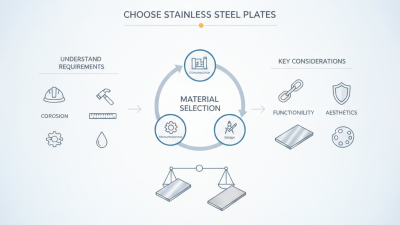
Choosing reliable stainless steel plate suppliers begins with a clear purchasing specification. Define the required grade, thickness, width, length, surface finish, and quantity. Consider the working environment too. Marine exposure, chemical processing, and food equipment demand different performance levels. A supplier should explain these choices with technical evidence, not vague promises.
Request mill test certificates, dimensional inspection records, and material traceability for every batch. Confirm whether the supplier can maintain stated thickness tolerances and cutting accuracy. Ask for a small sample when the order is technically sensitive. Review production capacity, lead time, export packaging, and inspection procedures. Experienced buyers also clarify payment terms, delivery conditions, and responsibility for transport damage before signing. One overlooked detail can become expensive.
Tips: Compare at least three qualified suppliers. Check certificates with the issuing mill when possible. Ask for recent product photos and packing details. A third-party inspection may be worthwhile for large orders. Do not select the lowest quotation automatically; unusually low pricing can signal thinner material, unclear certification, or incomplete service. Keep communication written and specific. Even careful specifications may miss a practical issue, such as plate weight exceeding local handling equipment. Recheck the final purchase order before production starts.
When selecting a stainless steel plate supplier, compare the required grade, mechanical properties, thickness, surface finish, certification, and delivery capability. The chart shows minimum yield and tensile strength values commonly specified for selected stainless steel plate grades under ASTM A240/A240M. Confirm the applicable standard edition and material condition before purchasing.