How to Choose the Right Stainless Steel Plates for Your Project?
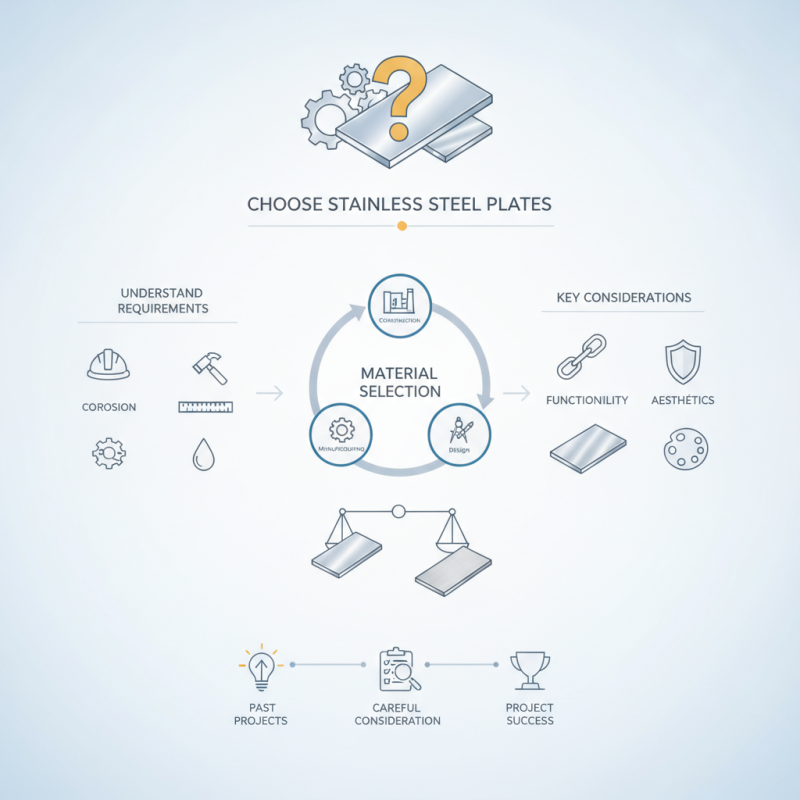
Choosing the right stainless steel plates for your project can be daunting. With numerous grades and finishes available, it's crucial to understand your specific requirements. As noted by industry expert James Smith, "The right selection of stainless steel plates can make or break your project." His insight highlights the importance of material choice.
Stainless steel plates are widely used in construction, manufacturing, and design. Their durability and resistance to corrosion make them popular. However, not all stainless steel is created equal. Each grade offers unique advantages and drawbacks. Sorting through these options requires careful consideration.
Reflecting on past projects can provide invaluable lessons. This exploration ensures the selected stainless steel plates align with your project's needs. Remember, the ideal material choice combines functionality and aesthetic appeal. Recognizing the nuances of stainless steel helps avoid costly mistakes. Selecting the perfect stainless steel plates is key to achieving your project's goals.
Understanding Different Grades of Stainless Steel Plates
When selecting stainless steel plates, understanding different grades is crucial. Stainless steel comes in various grades, each tailored for specific applications. The most common grades include 304 and 316. Grade 304 is popular due to its excellent corrosion resistance and strength. It's perfect for kitchen equipment. On the other hand, grade 316 offers superior protection against corrosion, particularly in marine environments.
The differences between grades may seem subtle but can significantly impact performance. Grade 316 includes molybdenum, increasing its resistance to pitting. This feature makes it ideal for chemical processing and exposure to saltwater. However, choosing the right grade isn't always straightforward. Factors like heat treatment, welding, and specific environmental conditions must be considered. Sometimes, projects face challenges if the wrong grade is selected.
While it's tempting to choose based on price, prioritize the long-term benefits and application needs. Overlooking grade specifications can lead to premature failures. Research and consult with professionals when in doubt. The right information can save time and resources. Balancing cost with performance is essential for successful projects.
Key Factors to Consider When Choosing Stainless Steel Plates
When selecting stainless steel plates for your project, several key factors must be evaluated. Consider the grade of stainless steel. Different grades offer unique properties, influencing strength, corrosion resistance, and appearance. For instance, 304 stainless steel is versatile and commonly used, while 316 provides superior corrosion resistance, especially in marine environments.
The plate thickness also plays a critical role. Thicker plates provide better durability but can increase costs and limit machining options. Think about the plate size. It should fit your project requirements while allowing for any necessary adjustments. Accurate measurements are essential to avoid mistakes that could lead to costly delays.
Another aspect is surface finish. Smooth finishes are preferable for aesthetic projects, while rough finishes may enhance bond strength in welding applications. Sometimes, the finish choice can affect functionality.
We often overlook how these details can impact the overall success of our project. Consider consulting industry guidelines or experienced professionals to ensure reliability in your choice. Being informed can save time and resources.
Applications of Stainless Steel Plates in Various Industries
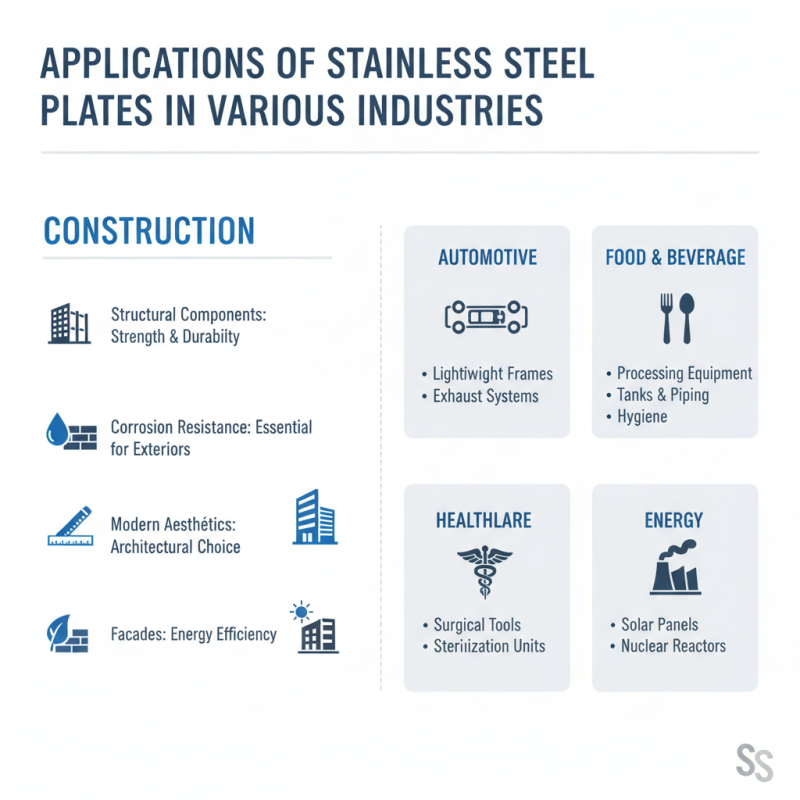
Stainless steel plates have a broad range of applications across various industries. In construction, these plates offer strength and durability, making them ideal for structural components. They resist corrosion effectively, which is essential for buildings exposed to the elements. Many architects choose stainless steel for its modern appearance and long-lasting nature. Their use in facades not only enhances aesthetics but also contributes to energy efficiency.
In the automotive sector, stainless steel plates serve critical roles. They are used for exhaust systems and structural frames due to their high strength-to-weight ratio. The lightweight nature of these plates helps improve fuel efficiency. However, the challenge lies in selecting the right grade to withstand high temperatures while maintaining durability. Precision in manufacturing is crucial as any defect may lead to failure under stress.
The food and beverage industry optimally utilizes stainless steel plates for hygiene. They are easy to clean and resistant to contaminants. This is vital in maintaining food safety standards. Still, some professionals overlook the importance of choosing food-grade stainless steel, leading to potential health risks. Therefore, ensuring compliance with industry regulations is always necessary for safety and reliability.
Comparing Cost and Quality of Stainless Steel Plate Options
When selecting stainless steel plates, cost and quality are paramount. Different grades of stainless steel offer varying benefits. Higher grades typically indicate better corrosion resistance, strength, and durability. However, these advantages come at a price. Budget constraints often influence decisions, potentially leading to compromises in quality.
For many projects, making trade-offs is common. Lower-cost stainless steel plates may serve well for non-critical applications. Yet, they might not endure extreme conditions, leading to premature failure. Assess the environment where the plates will be used. Is it exposed to harsh chemicals? If so, investing in higher quality is advisable.
Quality assessments can be complex. A good practice is to review specifications and certifications. Look for third-party testing that validates material properties. Always question if the cheapest option truly offers long-term value. Sometimes, a higher upfront cost leads to greater savings over time, as fewer replacements are required. Be mindful of the balance between budget and performance in your selection process.
Tips for Sourcing Stainless Steel Plates from Suppliers
Sourcing stainless steel plates requires careful consideration. Start by evaluating the material specifications. Know the type of stainless steel you need. Various grades offer different properties. For structural projects, durability is key. In contrast, aesthetic projects may require polished finishes.
Contact multiple suppliers for quotes. This helps you compare prices and quality. Pay attention to their certifications. Look for providers who can demonstrate their expertise in stainless steel. Ask for samples when possible. This will allow you to assess the quality before making a commitment.
Be mindful of delivery timelines. Delays can impact your project schedule. Ensure that suppliers can meet your deadlines. Communication is crucial. Establish clear expectations and responsibilities. Remember, the cheapest option isn’t always the best. Quality must align with your project's demands. Evaluate your sources regularly. This will help you maintain strong, reliable partnerships.
How to Choose the Right Stainless Steel Plates for Your Project? - Tips for Sourcing Stainless Steel Plates from Suppliers
| Property |
Description |
Importance |
| Material Grade |
The specific grade of stainless steel used. |
Determines corrosion resistance and strength. |
| Thickness |
How thick the plate is, specified in mm or inches. |
Impacts the durability and weight of the plate. |
| Size |
Dimensions of the plate, usually length x width. |
Must fit your specific project requirements. |
| Finish |
Type of surface finish, such as polished or matte. |
Affects aesthetics and corrosion resistance. |
| Supplier Reputation |
Reliability and quality history of the supplier. |
Critical for receiving high-quality materials. |
| Cost |
Price per unit for stainless steel plates. |
Important for budget management in projects. |
| Delivery Time |
Time taken from order placement to delivery. |
Affects project timelines and deadlines. |