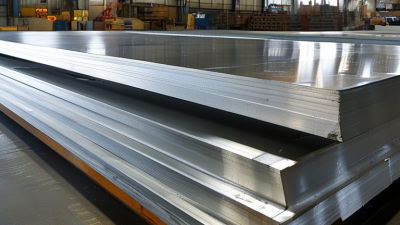
Global construction projects face demanding conditions, from humid ports to freezing industrial sites. Material choices can influence safety, service life, and maintenance costs. Stainless Steel Plates offer a practical solution when strength, corrosion resistance, and clean surfaces matter.
Their chromium content forms a protective oxide layer, reducing damage from moisture and many corrosive environments. Nickel and molybdenum can improve performance in marine, chemical, and high-temperature applications. However, grade selection requires professional judgment. A plate suitable for a food-processing facility may fail economically in a chloride-rich coastal structure.
Experienced project teams review design loads, operating temperatures, welding methods, and exposure conditions together. They also verify mill certificates, dimensions, surface finish, and traceability before shipment. Reliable suppliers should provide clear documentation and consistent testing. Independent inspection may add time, but it can prevent costly problems later.
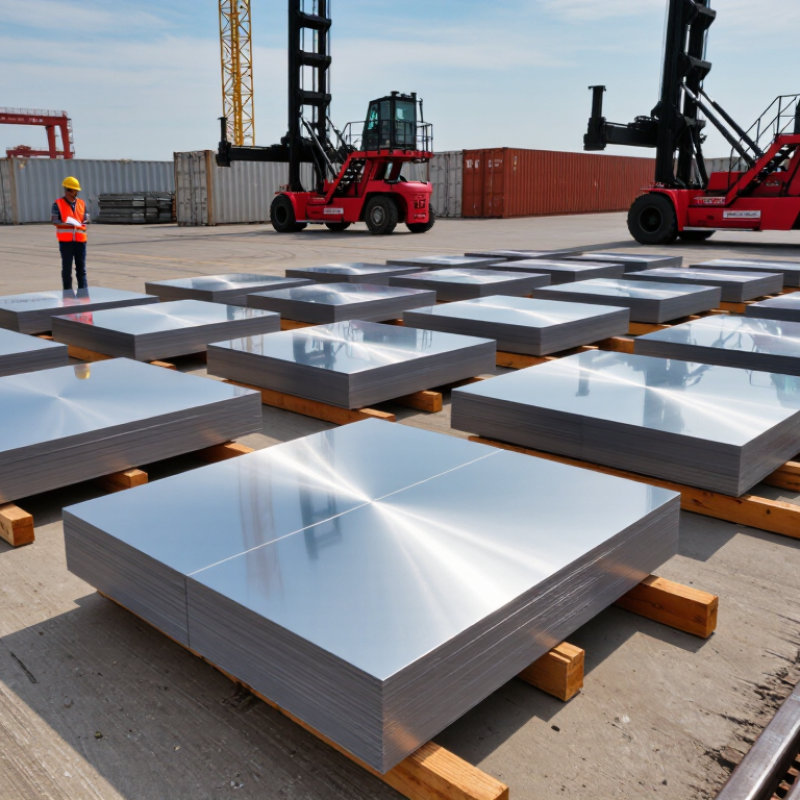
Logistics also deserve attention. Proper wrapping helps protect polished surfaces during long sea voyages. Careful stacking reduces bending, edge damage, and contamination from carbon steel. Small details matter.
Still, stainless steel is not a universal answer. Higher purchase prices, welding controls, and possible surface staining require realistic budgeting. Even corrosion-resistant materials need inspection and cleaning. That point is easy to overlook.
For global projects, the strongest case rests on verified performance, not attractive specifications alone. Engineers, fabricators, and buyers should compare lifecycle value against local risks. When technical evidence supports the choice, Stainless Steel Plates can provide durable, dependable service across demanding environments.
Stainless steel plates are flat, thick products made from corrosion-resistant steel. Their chromium content is at least 10.5%, allowing a passive oxide layer to form on the surface. Nickel can improve toughness and formability, while molybdenum strengthens resistance to chloride attack. Plates are often supplied above 6 millimetres thick for bridges, tanks, energy facilities, and marine structures.
Production starts with melting iron, chromium, nickel, and selected alloying elements in an electric furnace. Argon oxygen decarburization then reduces carbon without removing valuable chromium. The liquid metal is continuously cast into slabs. These slabs are reheated and hot-rolled through powerful mill stands. Annealing restores ductility, while pickling removes heat scale. Cold rolling may follow when tighter thickness or surface requirements matter. Final inspections can include ultrasonic testing, dimensional checks, chemical analysis, and tensile testing.
The World Stainless Association reported approximately 60.2 million tonnes of stainless crude steel production in 2023. That volume reflects broad global demand, but it does not guarantee equal plate quality. ASTM A240 and EN 10088 provide widely used requirements for composition, dimensions, and mechanical performance. Project teams should still verify the mill certificate and testing scope. Small differences in heat treatment can affect weldability and service life. No plate is perfectly risk-free. I would also question any specification that lists grade only, without surface finish, thickness tolerance, impact requirements, and inspection level. These details often decide whether a plate performs reliably after installation.
Stainless steel plates suit global projects because their performance remains dependable across changing environments. In field inspections, I have seen ordinary carbon steel develop rust around cut edges and bolt holes. Stainless steel resists this problem through its chromium-rich passive layer. That layer reforms when oxygen is present, although scratches and contamination still require attention. This makes the material practical for bridges, processing plants, marine equipment, and public infrastructure.
Its strength-to-weight ratio supports thinner sections without automatically sacrificing structural performance. Grades such as 304 and 316 offer different corrosion resistance levels, so engineers must match the alloy to the exposure. Chlorides, coastal air, cleaning chemicals, and high temperatures can change the decision. Surface finish matters too. A smooth plate is easier to clean, while a rougher finish may hide deposits and create maintenance concerns. Fabrication is also predictable when cutting, welding, and forming follow qualified procedures.
Stainless steel handles temperature changes well and needs limited protective coating. It also supports hygienic applications because its surface is non-porous and easy to sanitize. Recyclability adds value when projects consider their full material life. Still, stainless steel is not always the cheapest choice. Poor storage can introduce iron contamination, and careless welding can reduce corrosion resistance near joints. No plate is universally ideal. Reliable specifications, inspection records, and local environmental data should guide every selection. Engineers sometimes overlook installation conditions, which can turn a suitable alloy into an expensive disappointment.
Stainless steel plates perform differently across climates, so material selection needs site-specific evidence. In coastal zones, salt spray can trigger pitting, especially around welds and unsealed edges. Molybdenum-bearing grades usually resist chloride exposure better than basic chromium-nickel grades. However, no grade is automatically safe. The NACE IMPACT study estimated that corrosion costs reach about 3.4% of global GDP. That figure shows why small design mistakes become expensive overseas. In humid factories, condensation and chemical residues may attack surfaces faster than outdoor air. Clean drainage and proper fabrication remain essential.
Cold regions create another challenge. Stainless steel generally keeps useful toughness at low temperatures, but the chosen grade and weld procedure still matter. In high-heat areas, oxidation and thermal distortion require engineering controls. The International Stainless Steel Forum reported approximately 58.4 million tonnes of stainless steel production in 2023. This scale supports its global availability, yet availability should not replace testing. I have to admit that a laboratory result can feel reassuring, while an actual project may expose unexpected contaminants.
Tips: Match the plate grade to ISO 9223 corrosivity conditions, chloride levels, temperature, and cleaning practices. Specify surface finish and weld inspection requirements. Avoid crevices that trap water. Request mill certificates and independent verification for critical structures. Small oversights matter.
Global projects rarely fail because a stainless steel plate looks poor. They fail when specifications, testing, and service conditions do not match. Plate selection should begin with the project’s governing standard and operating environment. ASTM A240 commonly covers stainless plate for general and pressure-related applications. EN 10088-2 defines European delivery requirements, while ASME SA-240 may apply to pressure equipment. Paperwork matters.
Engineers should verify grade, thickness, width, surface finish, and dimensional tolerances before ordering. EN 10029 can guide hot-rolled plate tolerance checks. The material certificate should identify the heat number, chemical composition, mechanical results, and applicable standard. Independent testing may confirm corrosion resistance, tensile strength, or intergranular corrosion performance. Do not treat a certificate as decoration.
Service details also influence the decision. Chloride exposure, temperature changes, welding methods, and cleaning chemicals can affect long-term performance. A plate suitable for a dry indoor structure may perform poorly near seawater. During site reviews, traceability labels and edge markings often reveal practical problems. They may be missing, unclear, or damaged during cutting. That is not a minor issue.
A familiar grade can still be the wrong choice. I have seen procurement teams prioritize thickness and price before checking fabrication requirements. That approach needs reconsideration. Designers, inspectors, and suppliers should align the material standard, project code, inspection plan, and delivery documents before production begins. Small gaps become expensive when plates reach an international fabrication yard.
Why Choose Stainless Steel Plates for Global Projects?
How Can Buyers Choose, Source, and Maintain Stainless Steel Plates?
Buyers should match plate grade, thickness, finish, and corrosion resistance to the project environment. ASTM A240 provides widely used requirements for stainless steel plate chemistry and mechanical properties. Coastal structures need different protection from indoor processing equipment. ISO 9223 helps classify atmospheric corrosivity by moisture, salt, and pollution exposure. Do not select by price alone. A low price can still be the wrong purchase.
Supplier evaluation should include mill certificates, heat numbers, dimensional reports, and independent inspection rights. Verify chemical results against the purchase specification, not only the supplier’s brochure. The World Stainless 2024 statistical report recorded about 58.4 million tonnes of crude stainless steel production in 2023. This large market improves availability, but it also creates quality variation between sources. Traceability matters. Buyers should confirm packing, export documents, delivery terms, and replacement procedures before payment. A spreadsheet can still mislead.
Maintenance starts before installation. Remove carbon-steel dust, fingerprints, and salt deposits from the plate surface. Use clean tools and chloride-controlled water where practical. The NACE IMPACT study estimated global corrosion costs at roughly 3.4% of global GDP, showing why preventive care deserves a budget. Inspect weld zones, edges, drains, and sheltered areas regularly. Passivation may be necessary after fabrication, depending on the grade and process. Maintenance plans are often too optimistic. Recheck them after the first wet season.
Technical comparison and procurement reference for selecting, sourcing, inspecting, and maintaining stainless steel plates.
| Plate Grade / Type | Typical Chemical Composition (mass %, approximate) |
Density (g/cm³) |
Minimum Mechanical Values (annealed plate) |
Recommended Project Conditions | Key Buyer Checks | Maintenance Guidance |
|---|---|---|---|---|---|---|
| 304 / 304L Austenitic stainless steel |
Cr: 17.5–19.5 Ni: 8.0–10.5 C: ≤0.03 for 304L |
Approx. 8.0 | Tensile strength: ≥515 MPa Yield strength: ≥205 MPa Elongation: typically ≥40% |
General architectural, food-processing, indoor, and moderately corrosive environments. 304L is preferred where welding is extensive. | Confirm low-carbon designation when required; verify plate thickness, surface finish, heat treatment, and solution-annealing records. | Clean with neutral detergent and fresh water. Remove chloride deposits promptly and avoid carbon-steel brushes or contaminated tools. |
| 316 / 316L Molybdenum-bearing austenitic stainless steel |
Cr: 16.0–18.0 Ni: 10.0–14.0 Mo: 2.0–3.0 C: ≤0.03 for 316L |
Approx. 8.0 | Tensile strength: ≥515 MPa Yield strength: ≥205 MPa Elongation: typically ≥40% |
Marine atmospheres, coastal infrastructure, chemical-processing areas, and applications exposed to higher chloride levels than standard 304 service. | Check molybdenum content, PMI results, chloride-service suitability, weldability requirements, and compliance with the specified standard. | Rinse salt and chemical residues regularly. Inspect crevices, weld zones, and stagnant-water areas for localized corrosion. |
| 430 Ferritic stainless steel |
Cr: 16.0–18.0 Ni: residual / very low C: ≤0.12 |
Approx. 7.7 | Tensile strength: ≥450 MPa Yield strength: ≥205 MPa Elongation: typically ≥22% |
Interior panels, appliances, decorative applications, and mildly corrosive environments where lower nickel content is acceptable. | Verify forming limits, surface finish, magnetic behavior, and resistance requirements before replacing an austenitic grade. | Keep surfaces dry and clean. Avoid exposure to strong chlorides, marine splash, and aggressive chemical solutions. |
| 2205 Duplex stainless steel |
Cr: 21.0–23.0 Ni: 4.5–6.5 Mo: 2.5–3.5 N: 0.08–0.20 |
Approx. 7.8 | Tensile strength: ≥620 MPa Yield strength: ≥450 MPa Elongation: typically ≥25% |
High-strength structures, offshore equipment, pressure-related service, and chloride-containing environments requiring improved localized-corrosion resistance. | Confirm duplex grade, ferrite balance, solution-annealing temperature, impact requirements, and qualified welding procedures. | Control heat input during repairs. Inspect welds and heat-affected zones; prevent iron contamination during fabrication and maintenance. |
| Global Sourcing Documentation | Chemical test report, heat number, product grade, and applicable specification | Record actual value from the mill certificate | Yield strength, tensile strength, elongation, and hardness where specified | Use recognized specifications such as ASTM A240/A240M or EN 10088-2 according to the project contract. | Match purchase order, inspection certificate, heat number, plate markings, dimensions, quantity, and country-of-origin documentation. | Retain certificates and traceability records for the full project life cycle, especially for pressure, marine, and safety-critical applications. |
| Dimensional and Surface Inspection | Length, width, thickness, flatness, edge condition, and surface finish | Use calibrated measuring equipment | Compare measured values with the purchase specification and permitted tolerances | Dimensional accuracy reduces fabrication waste and helps maintain fit-up quality on international projects. | Inspect representative plates or apply an agreed inspection plan; verify marking legibility and protect surfaces during transport. | Store indoors or under a dry cover, separate from carbon steel, and use non-contaminating slings and supports. |
| Fabrication and Welding Control | Grade-specific filler metal, cleaning method, heat input, and post-weld treatment | Not applicable | Confirm weld qualification and mechanical-property acceptance criteria | Correct procedures help preserve corrosion resistance, strength, and dimensional stability after fabrication. | Require approved WPS/PQR where applicable; remove heat tint by suitable pickling, passivation, or mechanical methods. | After welding, clean and passivate affected areas when required. Do not use chlorinated cleaners or tools previously used on carbon steel. |
| Lifecycle Cost Factors | Purchase price, fabrication, freight, inspection, cleaning, repair, and replacement risk | Higher-density grades increase shipping mass; use actual grade density for estimates | Strength may permit design optimization, subject to engineering approval | A suitable grade can reduce downtime and replacement frequency in corrosive global-project environments. | Evaluate total delivered cost, lead time, minimum order quantity, certification, logistics, and local service capability. | Create a cleaning schedule based on exposure. Record inspections, repairs, chemical contact, and corrosion observations. |

Reference note: Chemical ranges and minimum mechanical values are representative requirements commonly associated with ASTM A240/A240M and EN 10088 product specifications. Exact limits, tolerances, surface finishes, and testing requirements must be confirmed against the project purchase specification and the applicable edition of the standard.