What is Stainless Steel Plates and How to Choose the Best?
Stainless Steel Plates are essential materials in various industries, known for their durability and resistance to corrosion. According to industry expert Dr. Emily Thompson, “Selecting the right stainless steel plate can significantly enhance your project’s longevity and performance.” This highlights the importance of understanding the different types and grades available.
When choosing stainless steel plates, consider factors like thickness, finish, and grade. These properties affect strength and usability. For example, a thicker plate may be necessary for heavy-duty applications. Yet, an overly thick plate might be unnecessary and costly for lightweight needs. Balancing these aspects is crucial for both performance and budget.
Moreover, quality control plays a vital role in stainless steel plate selection. A plate that meets industry standards ensures safety and reliability. However, not all suppliers guarantee quality. It’s wise to research and seek recommendations. Making an informed choice about stainless steel plates can be challenging, but it is vital for your project's success.
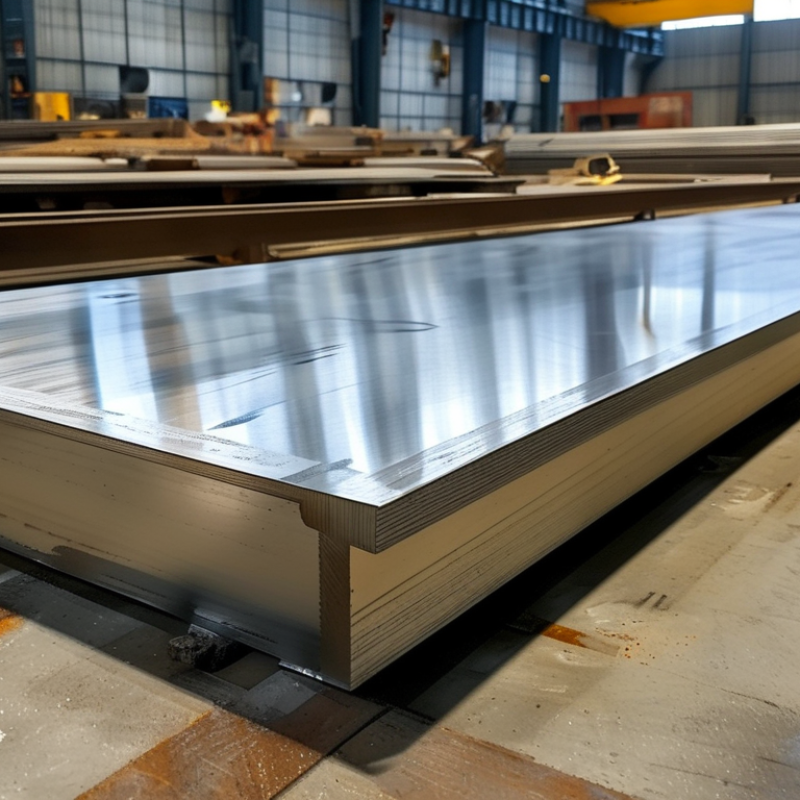
Understanding Stainless Steel Plates: Definition and Composition
Stainless steel plates are versatile materials used across various industries. They consist of a mixture of iron, chromium, nickel, and other elements. The chromium content is crucial. It provides resistance to rust and corrosion. Common stainless steel grades include 304 and 316, each suited for specific applications.
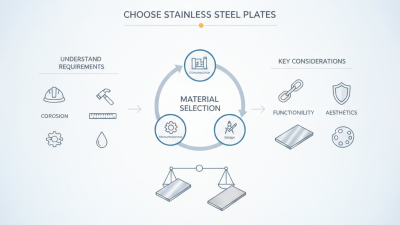
Choosing the right stainless steel plate involves understanding its composition. Consider the environment where the plate will be used. Plates with higher nickel content offer better resistance to corrosion. In environments exposed to chlorides, like coastal areas, grade 316 is often preferred for its durability.
For effective selection, always assess the thickness needed for your project. Thicker plates can withstand more stress but can be heavier and more expensive. Check for certifications to ensure the material meets industry standards. Evaluate your specific needs before making a choice. Being informed can simplify the decision-making process.
Types of Stainless Steel Plates: A Comprehensive Overview
When selecting stainless steel plates, understanding the various types is crucial. Stainless steel is categorized mainly into four groups: austenitic, ferritic, martensitic, and duplex. Among these, austenitic stainless steel is the most widely used, making up about 70% of global stainless steel production, according to the International Stainless Steel Forum (ISSF). This type is known for its excellent corrosion resistance and high strength, ideal for kitchen equipment and architectural applications.
Ferritic stainless steel, on the other hand, accounts for roughly 20% of the market. It is less ductile but offers good resistance to stress corrosion cracking. Martensitic stainless steel is tougher, often used in cutlery and industrial applications. The more specialized duplex grades combine properties of austenitic and ferritic steels, making them particularly appealing for industries where strength and corrosion resistance are paramount. Data from recent market reports indicate an increasing demand for duplex stainless steel, driven by its performance advantages in harsh environments.
Choosing the correct type often requires balancing cost, performance, and specific application needs. It's vital to explore not only the material properties but also the intended use. For instance, while austenitic steels are versatile, their higher cost may not be justified for all applications. Consideration of these factors helps in making an informed decision that aligns with operational requirements.
Key Properties of Stainless Steel Plates for Various Applications
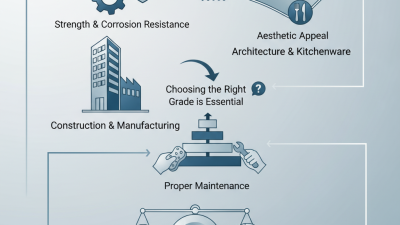
Stainless steel plates are essential in various industries, primarily due to their unique properties. They exhibit excellent corrosion resistance, making them ideal for environments with moisture or chemicals. Additionally, the strength of stainless steel plates allows them to withstand heavy loads without deformation. These attributes make them suitable for applications ranging from construction to food processing.
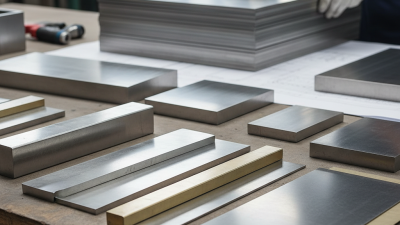
When selecting stainless steel plates, consider factors like thickness, finish, and alloy type. The thickness affects durability and weight, while the finish can impact aesthetics and cleanability. Different alloy compositions also provide varied resistance to corrosion and temperature changes. For instance, some alloys perform better in acidic environments, whereas others excel in high-temperature settings.
It's important to reflect on your specific needs. Not every stainless steel plate is suitable for every application. Analyzing your environment and demands helps in choosing the right type. Make sure to consult with experts who can guide you through the nuances of materials. In seeking the best fit, not doing enough research can lead to issues down the line. Understanding these properties and considerations will enable better decision-making.
What is Stainless Steel Plates and How to Choose the Best? - Key Properties of Stainless Steel Plates for Various Applications
| Property |
Description |
Applications |
| Corrosion Resistance |
Stainless steel plates resist corrosion due to the presence of chromium, which forms a protective oxide layer. |
Marine, Chemical Processing, Food Industry |
| Durability |
These plates are highly durable and can withstand high temperatures and pressures. |
Construction, Automotive, Aerospace |
| Formability |
Stainless steel plates can be easily shaped and welded for various applications. |
Manufacturing, Fabrication, Architecture |
| Aesthetic Appeal |
They have a shiny, polished finish and are used in applications where appearance is important. |
Interior Design, Kitchen Appliances, Furniture |
| Heat Resistance |
Certain grades of stainless steel plates can withstand high temperatures without losing strength. |
Power Generation, Oil & Gas, Aerospace |
Factors to Consider When Choosing Stainless Steel Plates
When choosing stainless steel plates, several key factors must be considered. Material grade is of utmost importance. Stainless steel comes in various grades, such as 304 and 316. Grade 304 is often used for its general corrosion resistance, while 316 is preferred in marine environments due to its superior resistance to chloride corrosion. According to industry reports, a significant 70% of stainless steel used worldwide is of the 300 series, indicating its widespread application.
Thickness is another crucial aspect. Plates are available in different thicknesses, generally ranging from 1/16 inch to several inches. Thicker plates can handle more stress but often have higher costs. A report from the Steel Association states that heavier plates are favored in construction, where strength is vital. Furthermore, surfaces finish options such as hot-rolled or cold-rolled can affect performance and aesthetics. Many manufacturers suggest cold-rolled for applications requiring smoother surfaces.
Lastly, considerations around fabrication should not be overlooked. Welding and machining capabilities may differ based on plate thickness and composition. A study shows that improper welding techniques can lead to failures in critical applications. As such, always assess the end use carefully. Choosing the right stainless steel plate is not a one-size-fits-all solution; it requires thoughtful analysis of specific project needs and conditions.
Tips for Maintaining and Caring for Stainless Steel Plates
Caring for stainless steel plates requires some simple yet effective practices. Regular cleaning is essential. Use warm soapy water and a soft cloth to wipe down the surface. Avoid harsh chemicals that can damage the finish. For stubborn stains, a mixture of baking soda and water can work wonders. Make sure to scrub gently to avoid scratching.
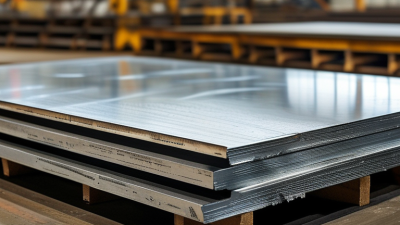
Storage is another key factor. Always store your stainless steel plates in a dry place. Exposure to moisture can lead to spots and stains. If possible, stack them with a soft cloth between each plate to prevent scratches. It’s also important to avoid letting food sit on the plates for too long, especially acidic foods. They can leave marks that are hard to remove.
Finally, keep an eye on your plates. Over time, even the best-kept stainless steel can show signs of wear. Regularly inspect for scratches or discoloration. If you notice these, consider polishing your plates to restore their shine. Reflecting on your care routine helps improve the longevity of your stainless steel plates.