Essential Tips for Buying Stainless Steel Plates Worldwide?
When it comes to purchasing stainless steel plates, buyers must navigate a complex marketplace. James Anderson, a renowned expert in metal alloys, once remarked, “Quality in stainless steel plates is paramount; even minor inconsistencies can lead to significant issues.” This highlights the importance of understanding the material's properties and sourcing options.
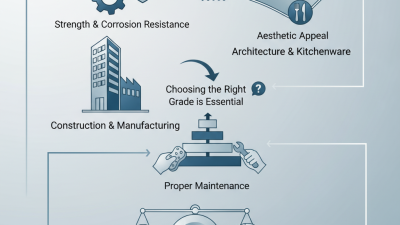
Stainless steel plates are crucial for various industries, including construction and manufacturing. Each application has unique requirements. Buyers should evaluate thickness, grade, and finish before making a decision. A single incorrect choice can affect durability and performance.
Choosing the right supplier adds another layer of complexity. The global market offers many options, but not all are reliable. It’s crucial to verify credentials and quality certifications. Skimping on research can lead to regrettable outcomes. Hence, it's vital to prioritize trustworthy sources when investing in stainless steel plates.
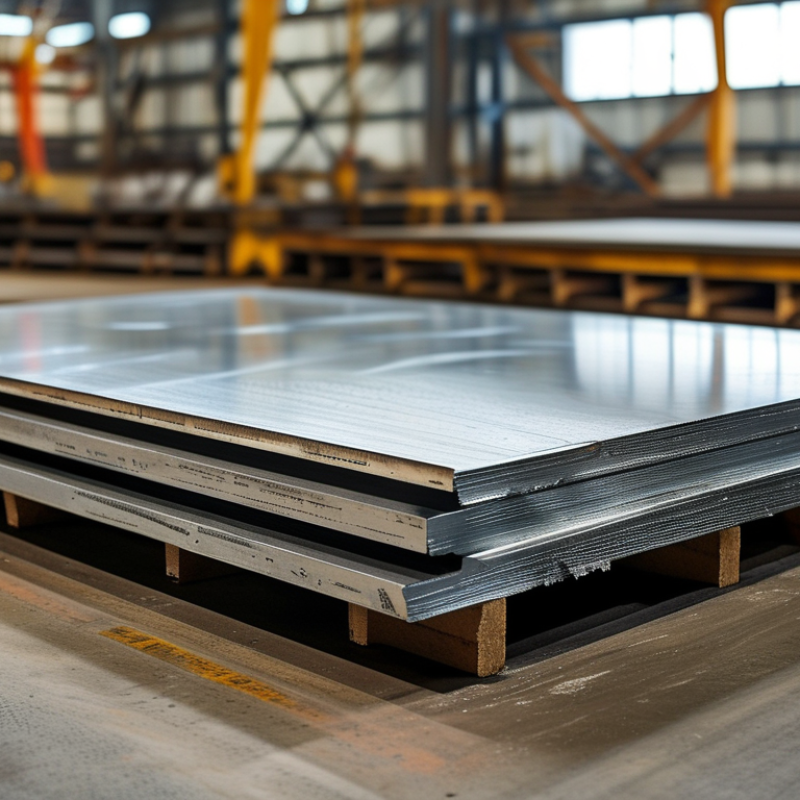
Factors to Consider When Choosing Stainless Steel Plates
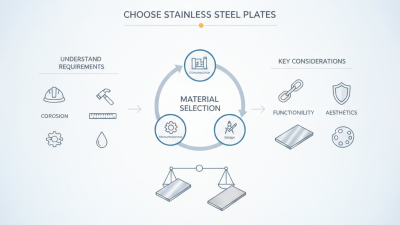
When purchasing stainless steel plates, several factors should guide your decision. The type of stainless steel is crucial. Different grades offer various levels of corrosion resistance and strength. Industry standards like ASTM or ISO can help ensure you're choosing the right material for your application. It’s essential to know where the plates will be used, as specific environments may require specific grades.
Thickness and size matter too. Plates come in various dimensions. Ensure your choice meets the project specifications. A common mistake is underestimating the required thickness. It may lead to structural issues later on. Additionally, consider sourcing from reputable suppliers. Quality varies significantly between manufacturers. Aim for those with a track record of reliability. This can decrease the risk of receiving subpar materials.
Don’t overlook pricing, but don’t let it be the only factor. A cheap plate may cost more in the long run due to durability issues. Weigh the investment against the potential for future failures. However, be cautious of overly high prices; they don’t always guarantee quality. Every decision requires careful thought and reflection on your unique needs.
Essential Tips for Buying Stainless Steel Plates Worldwide
| Dimension (mm) |
Thickness (mm) |
Grade |
Finish |
Weight (kg/m²) |
Common Uses |
| 1000 x 2000 |
3 |
304 |
Polished |
8.5 |
Kitchen Equipment |
| 1500 x 3000 |
5 |
316 |
Brushed |
11.5 |
Marine Applications |
| 1200 x 2400 |
2 |
409 |
Embossed |
6.0 |
Automotive Parts |
| 2000 x 4000 |
10 |
321 |
Satin |
15.2 |
Pressure Vessels |
Types of Stainless Steel Plates Available in the Market
When exploring the types of stainless steel plates available in the market, it’s essential to understand their diverse classifications. Stainless steel plates can be categorized based on their grades and thickness. The most common grades include 304 and 316. Grade 304 is highly versatile, ideal for kitchen equipment. Grade 316 offers enhanced corrosion resistance, making it suitable for marine applications.
Thickness is another critical aspect. Plates typically range from 1/16 inch to several inches thick. Thinner plates are often used in fabrication and crafting. In contrast, thicker options are favored for structural needs or heavy-duty tasks. It's crucial to assess your specific requirements before selecting the appropriate thickness.
Quality can vary widely. Look for plates that meet industry standards. Certifications can guide your choice. However, not all suppliers provide clear information about their products. Be cautious of inconsistent quality. In the end, understanding these types can help in making informed purchasing decisions.
Types of Stainless Steel Plates Available in the Market
This chart illustrates the distribution of various types of stainless steel plates based on market availability.
Understanding Grades and Specifications of Stainless Steel
When buying stainless steel plates, understanding grades and specifications is crucial. The variety of grades can be overwhelming. Common options include 304 and 316, each offering different corrosion resistance and strength. For example, 316 is preferable for marine environments due to its superior resistance to saltwater. It’s essential to know the application when choosing a grade.
Pay attention to thickness and dimensions. These specifications affect the plate's overall strength and usability. In some cases, buying a thicker plate may seem better. However, that can lead to increased weight and costs. Assess the balance between strength and the requirements of your project. Always consult with a knowledgeable supplier to clarify your needs.
Quality certifications can provide greater assurance. Look for plates that meet international standards such as ASTM or ISO. This helps ensure you receive reliable products. However, not every supplier can offer these certifications. Researching suppliers is critical. Look for reviews and testimonials. This can reflect their reliability and expertise in the field.
Key Suppliers and Manufacturers of Stainless Steel Plates Worldwide
When considering the purchase of stainless steel plates, identifying reliable suppliers is crucial. Key suppliers and manufacturers can greatly influence the quality and cost of your purchase.
Research is essential. Look for companies with a strong reputation and extensive experience in stainless steel production.
It's beneficial to evaluate their certifications and quality assurance processes. A trusted supplier often has industry certifications that indicate adherence to safety and quality standards. Additionally, check customer reviews and case studies. These insights can provide valuable perspectives on their performance and reliability.
Here are some tips for making an informed decision:
- Consider your specific needs, such as thickness and finish. Different applications require distinct specifications.
- Understand the supply chain logistics. Delays can occur; preparation is vital.
- Reach out directly. Personal interactions can help clarify any doubts about materials and timelines.
Common Applications and Industries Using Stainless Steel Plates
Stainless steel plates are widely used across various industries, including construction, automotive, and food processing. According to the latest market analysis, the global stainless steel market is projected to reach $240 billion by 2026, driven by increased demand in these sectors. In construction, stainless steel plates provide durability and resistance to corrosion, making them ideal for structural applications. The automotive industry benefits from lightweight stainless steel, enhancing vehicle performance and fuel efficiency.
In the food processing industry, these plates are essential. Their hygienic properties make them perfect for equipment, surfaces, and storage. The Food and Drug Administration (FDA) supports the use of stainless steel for food contact, highlighting its safety and ease of cleaning. The industry's annual growth rate is about 6%, showing a strong future for metal suppliers.
When buying stainless steel plates, consider the grade of the material. Different grades offer varying levels of corrosion resistance and strength. It's vital to ensure the product meets industry standards. Another tip is to evaluate the supplier's credibility. Look for those with certifications and positive reviews. Lastly, assess your specific application needs to select the right thickness and finish, leading to better long-term performance.