Inquiry
Form loading...

Why Choose a Chafing Dish Warmer for Catering?

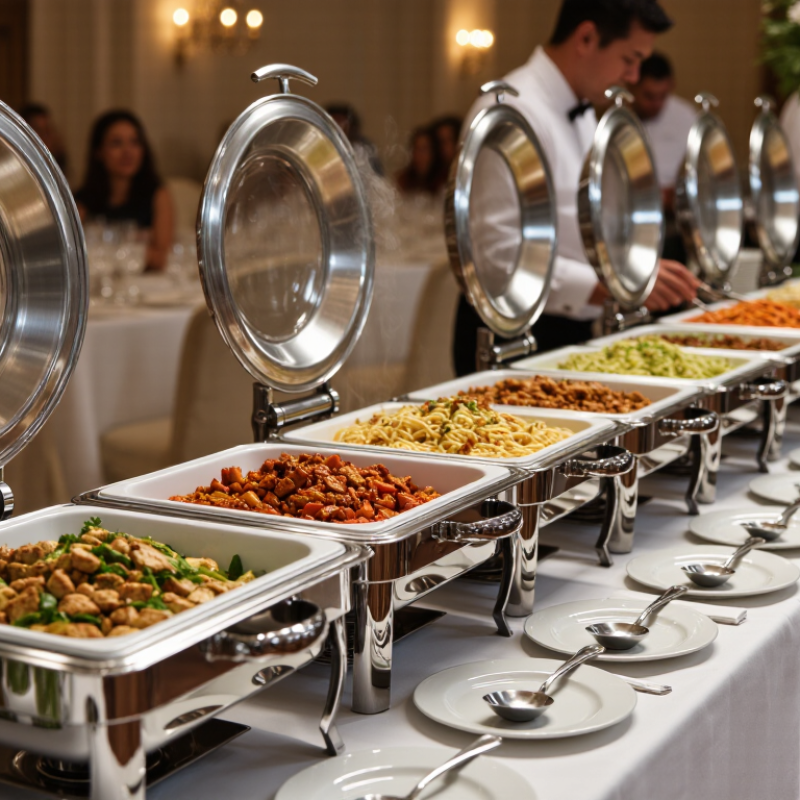
At a wedding reception, the buffet may look effortless: polished pans, steady steam, and guests returning for seconds. Behind that calm display sits a practical challenge—keeping food warm while service unfolds. A Chafing Dish Warmer helps caterers maintain serving temperatures and present dishes neatly, without requiring every pan to remain in the kitchen. The details matter. Fuel type, pan depth, lid design, and setup time can affect both workflow and guest experience.

The National Restaurant Association’s State of the Restaurant Industry reports offer useful context on restaurants’ operating pressures, including labor and cost concerns. They do not measure chafing-dish performance directly, so equipment decisions still require careful testing in real service conditions. The FDA Food Code provides a clear food-safety reference: hot-held food should be maintained at 135°F (57°C) or above. A warmer supports that goal, but it does not replace temperature checks, sound handling, or trained staff. A dial is not proof.

Food-safety specialist Frank Yiannas has often emphasized the principle, “Food safety is a shared responsibility.” For catering teams, that means choosing equipment that fits the menu and the venue, then monitoring it throughout service. A crowded ballroom, a windy outdoor tent, and a small corporate buffet behave differently. Even good equipment can disappoint when fuel runs low or lids stay open too long. This guide explores why a Chafing Dish Warmer can be a dependable catering tool, what to assess before buying, and where expectations should remain realistic.

Why Choose a Chafing Dish Warmer for Catering?

What Is a Chafing Dish Warmer?

A chafing dish warmer is a food-holding system, not a cooking appliance. It usually combines a stainless-steel frame, water pan, food pan, lid, and controlled heat source. The lower pan holds hot water. Heat then travels gently through steam and metal. This design helps reduce direct scorching during buffet service. Electric units use thermostatic heating, while traditional units use approved fuel canisters. The exact setup matters. A shallow pan loses heat faster than a deep one.

The FDA Food Code 2022 advises keeping hot food at 135°F (57°C) or above.

A warmer supports that target, but it does not guarantee it. Caterers still need a calibrated thermometer and written temperature checks. Test the food, not only the water. In busy rooms, open lids, cold refills, and windy outdoor tables can quickly change performance. Operators often trust visible steam too much. Steam looks reassuring, yet it is not a temperature reading. That small error deserves attention.

The UNEP Food Waste Index Report 2024 estimated 1.05 billion tonnes of food waste in 2022. Food service accounted for 28 percent of that total. Better holding may reduce premature spoilage and overcooking, especially when portions are replaced in smaller batches. Still, a warmer cannot rescue poor planning. Choose pan capacity around real service volume, keep lids closed between servings, and avoid stacking incompatible pans. The equipment is simple. The judgment is not.

How Does a Chafing Dish Warmer Keep Food Warm?

A chafing dish warmer keeps food warm by transferring gentle heat to a serving pan. In many models, a lower water pan holds hot water, while a burner or electric element heats it. The water spreads heat across the bottom of the food pan, helping reduce hot spots. Some designs use direct heat instead, so the warming method depends on the equipment.

The lid matters, too. Keeping it closed between servings slows heat loss and helps food retain moisture. You may notice steam collecting underneath; that can soften crisp toppings, so leave the lid slightly open when the dish allows it. Not every food responds the same way. Sauces and stews usually hold well, while fried items can lose their texture.

Check the food with a clean thermometer rather than judging by steam or appearance. The warmer is meant to maintain serving temperature, not quickly heat cold food. Keep enough hot water in the base, and refill it carefully if it begins to evaporate. Small details count. In a busy service, it is easy to forget the water level or leave the lid open longer than planned. A quick check between servings can prevent uneven warmth and disappointing plates.

Key Benefits for Catering Service

For catering service, a chafing dish warmer helps keep prepared food at a steady serving temperature during busy events. It is useful when guests arrive in waves or a meal stretches beyond the planned schedule. A covered pan can hold warm pasta, vegetables, or sauce without taking up a burner in the kitchen. Less traffic around the stove means staff can focus on plating and guest requests.

The setup is simple, but details matter. Place the food pan securely over the water pan, and check the heat source before service. A food thermometer gives a more reliable reading than steam or touch; follow local food-safety guidance and the equipment instructions. Keep serving utensils nearby, and label dishes clearly when guests may have dietary needs. Small steps help prevent confusion.

There are limits. A warmer holds food; it does not quickly bring cold food to a safe serving temperature, and some dishes can dry out if held too long. Check texture and temperature during service, not just at opening. I have seen a creamy dish look fine from above while its edges thicken, so a quick stir can make a real difference. Sometimes the warmer is not the problem—the timing is.

Why Choose a Chafing Dish Warmer for Catering?

Safe food holding temperatures provide an essential benchmark for catering service.

The FDA Food Code sets a minimum hot-holding temperature of 135°F and a maximum cold-holding temperature of 41°F. Chafing dishes help keep prepared food hot during service; use a food thermometer to verify temperatures.

Common Types of Chafing Dish Warmers

Why Choose a Chafing Dish Warmer for Catering?

Common Types of Chafing Dish Warmers

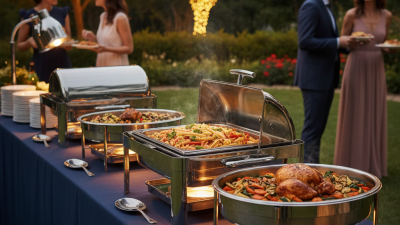
Choosing the right chafing dish warmer depends on the menu, service length, and venue. Fuel-heated models are portable and simple to set up. They suit outdoor events or rooms without convenient power access. Their heat can vary, though, so check the food regularly and follow the fuel product’s instructions. Electric warmers offer more consistent temperature control when outlets are available. They work well for long buffet service, but cords need careful placement to avoid trip hazards. Both types can help keep prepared food warm; neither replaces safe food-handling practices or temperature checks.

Induction-compatible chafing dishes use an induction base to heat suitable cookware quickly and adjust heat precisely. They can be useful in staffed venues with compatible equipment, but they are not interchangeable with every dish or warmer. Water-pan models add gentle, even heat through hot water, making them a practical choice for delicate sauces and moist dishes. Dry-heat designs avoid water refills, yet may warm some foods less evenly. The details matter. A shallow pan, a tight-fitting lid, and sensible serving intervals can make a noticeable difference.

How to Choose and Use One Safely

Why Choose a Chafing Dish Warmer for Catering?
How to Choose and Use One Safely

A chafing dish warmer helps keep buffet food hot between kitchen and serving table. Choose a pan size that matches your menu and expected portions; an oversized dish can waste fuel, while an overloaded one may heat unevenly. Check that the frame sits firmly on a level, heat-resistant surface. For outdoor service, account for wind, which can disturb flames and cool food. Small details matter.

Treat the warmer as hot-holding equipment, not a cooker. The FDA’s 2022 Food Code sets 135°F (57°C) as the minimum for hot-held time/temperature control foods. Use a clean, calibrated probe thermometer to check the food itself, not just the water pan. Keep the water pan filled to the maker’s instructions, and never let it boil dry. USDA FSIS guidance says perishable food left at room temperature for over two hours should be discarded; in temperatures above 90°F (32°C), the limit is one hour. That window can shrink during a busy service.

Place fuel only in its designated holder, away from linens and passing guests, and follow its use instructions. Keep a lid nearby to smother a flame if needed; do not move a lit warmer. I have seen teams focus on presentation and forget temperature checks. It is an easy oversight, and a thermometer should be part of the serving setup.

Why Choose a Chafing Dish Warmer for Catering? — How to Choose and Use One Safely

Decision or Use Stage Practical Guidance What to Check Why It Matters
Why use one? A chafing dish provides a portable way to keep prepared food warm during buffet service. It also helps present and serve food in a dedicated serving pan. Confirm the unit suits the event layout, serving volume, and available power or approved fuel source. It supports convenient service without relying on a kitchen stove at the buffet.
Choose the heating type Fuel-heated units can be useful where electrical access is limited. Electric models need a suitable outlet and a cord routed away from walkways. Check the manufacturer’s instructions, fuel compatibility, electrical requirements, and venue restrictions. Using the correct heat source helps reduce fire, burn, and electrical hazards.
Choose capacity and configuration Select pan capacity based on the menu and expected service volume. A full-size hotel pan is commonly about 12 × 20 inches; other pan sizes and depths are available. Make sure the food pan, water pan, lid, and frame fit together as specified for the unit. Compatible parts provide stable support and more even heat transfer.
Set up the station Place the warmer on a level, stable, heat-resistant surface in a well-ventilated area. Keep it away from table edges, curtains, and combustible materials. Allow clear access for staff, guests, and safe removal of hot pans. A stable, uncluttered setup helps prevent tipping, spills, and contact burns.
Prepare the water pan If the model uses a water pan, add hot water to the level specified by its instructions before lighting fuel or switching on the heater. Do not overfill. Check the water level during service and keep the pan from boiling dry. The water bath helps distribute heat; an empty or overfilled pan can create hazards or poor performance.
Load the food Place hot, fully cooked food in the food pan. Chafing dishes are generally designed for hot holding, not for cooking raw food or reheating chilled food. Reheat food using an appropriate cooking appliance before placing it in the warmer. A serving warmer may not heat food quickly or evenly enough for safe cooking or reheating.
Monitor hot holding Keep time/temperature-control-for-safety food at 135°F (57°C) or above as specified by the FDA Food Code; applicable local rules may differ. Use a clean food thermometer to check the food itself at intervals. Adjust the heat according to the unit’s instructions. Monitoring food temperature helps limit the time it spends in conditions that support bacterial growth.
Manage serving and refills Use clean serving utensils, keep lids on when practical, and replace food with fresh batches rather than topping up old food. Keep raw foods and their utensils separate from ready-to-eat foods. These practices help maintain temperature and reduce cross-contamination.
Handle fuel safely Use only the fuel type and holder specified for the unit. Keep fuel containers away from flames and never refill a lit or hot fuel holder. Follow the fuel label and manufacturer’s directions; keep children and guests away from open flames. Chafing fuel can cause burns or fires if mishandled.
Shut down and clean Extinguish fuel or disconnect electric power as directed. Let components cool before handling, emptying, or washing them. Do not pour water onto a fuel flame. Follow the product instructions for extinguishing, cleaning, and storage. Cooling and correct shutdown reduce the risk of burns, fire, and damage to the warmer.

Safety note: Follow the warmer’s instructions and the food-safety requirements of the local health authority. Use a calibrated food thermometer; the warmer’s dial or indicator does not confirm the temperature of the food.