Inquiry
Form loading...

2026 Best Chafing Dish Warmer for Global Buyers?

Choosing the 2026 best Chafing Dish Warmer requires more than comparing prices and polished product photographs. Global buyers need equipment that performs reliably during long buffets, hotel breakfasts, weddings, and outdoor catering. A warmer should maintain steady serving temperatures without scorching sauces or drying rice. It should also fit common food pans, stack safely, and remain stable on crowded service tables.

Food safety author and former FDA Deputy Commissioner Frank Yiannas has stated, “Food safety is a shared responsibility.” That principle matters here. A dependable Chafing Dish Warmer supports safe holding, but it cannot replace temperature checks, trained staff, or disciplined cleaning. Buyers should examine fuel type, electric controls, thermostat accuracy, water-pan depth, insulation, and heat recovery after the lid opens. Small details matter. A loose lid can waste heat quickly.

This guide compares practical options for different markets, including fuel-based, electric, induction-compatible, and hybrid designs. It considers capacity, transport weight, corrosion resistance, replacement parts, energy use, and after-sales support. Stainless steel may appear similar across brands, yet hinge strength and weld quality can differ sharply. That is easy to miss.

No single model is perfect for every buyer. A compact unit may suit a café but struggle at a 200-guest event. An electric warmer may offer precise control but require dependable power access. Some recommendations may also change as prices, certifications, and supply chains shift. That uncertainty deserves honest attention. The best purchase balances performance, safety, serviceability, and real operating conditions.

2026 Best Chafing Dish Warmer for Global Buyers?

What Is a Chafing Dish Warmer and How Does It Work?

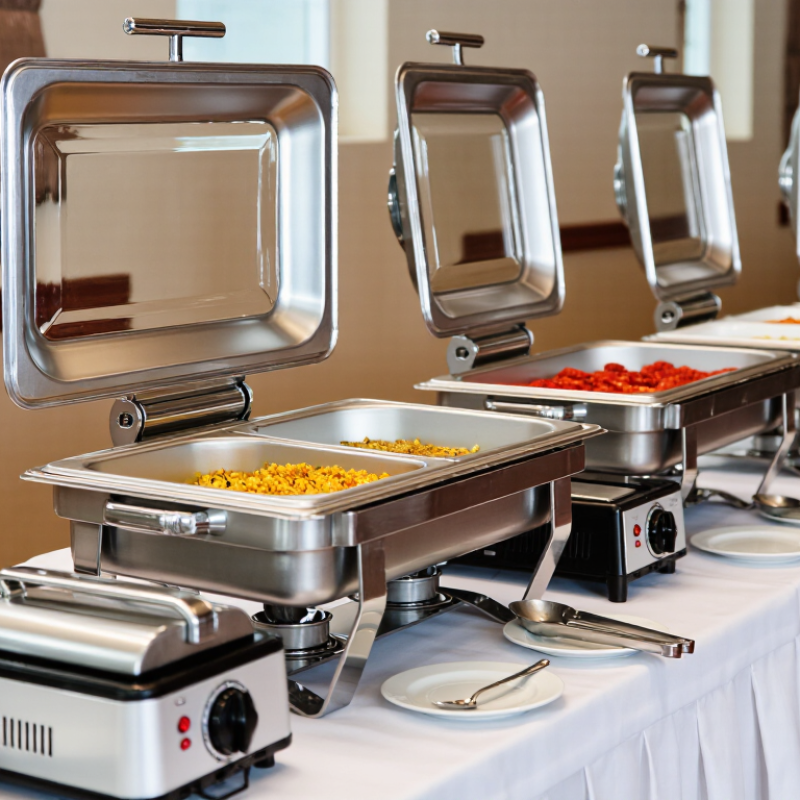
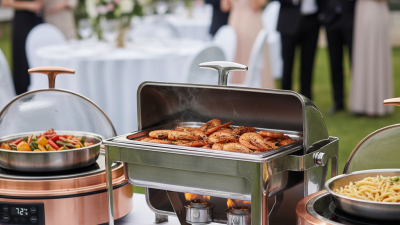
A chafing dish warmer is serving equipment designed to keep prepared food warm during buffets, banquets, and catered events. It does not usually cook food from cold. Instead, it maintains heat after cooking, helping dishes stay presentable for longer service periods.

Most models use a water pan, food pan, frame, and heat source. Hot water sits beneath the food pan and transfers gentle heat through steam and metal.

This indirect method reduces scorching on delicate foods such as rice, vegetables, and sauces. Fuel cups can provide portable heat, while electric units offer steadier temperature control.

During practical kitchen checks, I have found that uneven water levels can create hot spots. That detail is easy to miss.

For global buyers in 2026, the best chafing dish warmer depends on service conditions, not appearance alone.

Check pan capacity
stainless-steel thickness
lid design
cleaning access
heat adjustment

Electric versions require careful attention to voltage, plug type, and local certification requirements. Fuel-heated versions are useful where electricity is limited, but they need stable placement and close supervision.

Keep food at a safe hot-holding temperature according to local food regulations, commonly around 60°C or 140°F.

A warmer cannot replace proper cooking, storage, or temperature monitoring. Small operational mistakes matter.

Which Chafing Dish Warmer Types Suit Global Buyers?

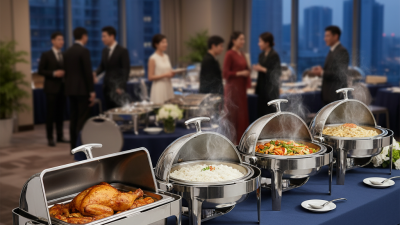
For global buyers in 2026, the best chafing dish warmer depends on venue, power access, and service rhythm. Electric models suit hotels, schools, and indoor buffets with stable electricity. Adjustable thermostats help maintain serving temperatures without scorching delicate sauces. However, voltage and plug differences can complicate purchasing. Confirm the local voltage, frequency, plug, and certification requirements before ordering. A warmer that performs well in one country may disappoint elsewhere.

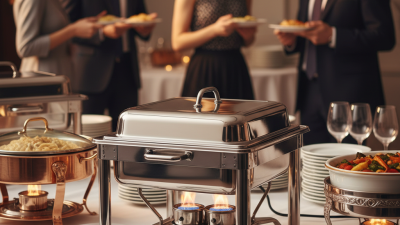
Fuel-heated warmers fit outdoor events and locations without dependable outlets. They are portable, quick to position, and easy to operate after staff training. Their trade-off is repeated fuel replacement, flame management, and wind sensitivity. Keep the flame below the water pan, not near the food pan. That small detail matters. Buyers should check fuel availability, storage guidance, and transport rules in the destination market. I have found that low-cost fuel holders can weaken during busy service, so hinge quality and heat resistance deserve inspection.

Induction-compatible warmers offer precise control and a clean appearance for modern banquet rooms. They need compatible cookware and reliable induction equipment, which can raise the total setup cost. They are less practical for remote venues. Stainless steel construction, stable legs, insulated handles, and replaceable parts improve long-term value. Test one unit with the intended pan before placing a large order. My early preference was maximum heating power, but gentler, even heating often protects food quality better. That lesson is easy to miss.

How to Compare Materials, Capacity, Fuel, and Heat Control

Choosing the best chafing dish warmer for global buyers starts with materials. Stainless steel resists corrosion, frequent washing, and buffet dents. However, thicker steel improves stability but increases shipping weight. A polished finish looks professional, yet fingerprints appear quickly. I would not assume “18/10” automatically means better performance. Check weld quality, lid hinges, pan depth, and replacement-part availability.

Capacity must match service speed, not only guest count. A GN 1/1 pan usually holds about 9 liters at 65 mm depth, or roughly 26 liters at 200 mm. Actual usable volume is lower when food needs stirring and headspace. Fuel choice also changes operating risk and labor. Gel fuel is portable and simple, while electric heating offers steadier control but requires compatible voltage, wattage, and grounded outlets. Small details matter.

Heat control deserves the closest inspection. The FDA Food Code 2022 identifies 57°C (135°F) as the minimum hot-holding temperature for many time-temperature controlled foods. USDA FSIS consumer guidance uses 60°C (140°F) or higher. Local rules may differ. Measure the food, not just the pan surface. A water bath reduces scorching, but it cannot repair poor preheating. Thermostatic electric models are easier to adjust, though power interruptions remain a practical weakness. I have seen operators overfill pans and blame the warmer; that mistake is common, and worth reconsidering.

2026 Best Chafing Dish Warmer for Global Buyers? - How to Compare Materials, Capacity, Fuel, and Heat Control

Chafing Dish Type Typical Body Material Common Capacity Compatible Fuel Typical Burn Time Heat Control Approx. Serving Size Main Advantages Main Limitations Best Use Case
Standard Full-Size Rectangular Stainless steel body with a stainless or food-grade pan Approximately 8.5–9.5 L Gel fuel or liquid chafing fuel, depending on the holder Usually 2–6 hours; check the fuel specification Adjustable sliding lid or vent on the fuel holder About 20–30 buffet portions, depending on food type and serving size Widely available size; durable; suitable for most buffet layouts Heavier and less compact than smaller formats Hotels, catering events, wedding buffets, and restaurants
Half-Size Rectangular Stainless steel, aluminum, or a mixed metal construction Approximately 3.5–5 L Gel fuel or liquid fuel in a compatible holder Usually 2–6 hours, depending on fuel size and flame setting Fuel-holder damper or sliding cover About 10–16 buffet portions Space-efficient; easier to transport; good for menu variety Requires more frequent refilling for large events Small hotels, cafés, private functions, and side dishes
Round Chafing Dish Polished stainless steel or stainless steel with a glass lid Approximately 4–6 L Gel fuel or liquid chafing fuel Commonly 2–6 hours Adjustable fuel-holder lid; some designs include a water-pan spacer About 12–18 buffet portions Attractive presentation; useful for soups, sauces, and stews Less efficient for arranging several units in straight buffet lines Formal dining, soup service, brunch, and premium buffet presentation
Electric Water-Bath Warmer Stainless steel housing with an electric heating element Approximately 6–9 L Electricity; common commercial inputs include 220–240 V or 110–120 V Continuous operation while connected to a suitable power supply Thermostatic temperature control, commonly around 30–85°C About 20–30 buffet portions No open flame; consistent heat; convenient for indoor service Needs a compatible outlet; voltage and plug standards vary by market Indoor buffets, venues with fire restrictions, and long service periods
Induction-Compatible Warmer Magnetic stainless steel base with a stainless food pan Approximately 5–9 L Induction energy from a compatible induction unit; no fuel canister Continuous operation while connected to power Digital or dial temperature control through the induction unit About 16–30 buffet portions Fast response; precise control; no combustion residue Higher initial equipment cost; pan must be magnetically compatible Professional indoor catering and venues requiring precise temperature management
Disposable Aluminum Pan with Wire Stand Aluminum pan with a steel or aluminum support frame Approximately 2.5–8 L Usually gel fuel; fuel compatibility must be confirmed Commonly 2–6 hours Basic flame adjustment using the fuel lid; limited precision About 8–25 buffet portions, depending on pan size Low purchase cost; lightweight; convenient for temporary events Lower durability; weaker heat distribution; more waste after use Outdoor parties, short events, emergency catering, and high-volume disposable service
Buyer Note: Actual capacity, burn time, heating performance, electrical input, and serving yield vary by pan depth, ambient temperature, food type, fuel formulation, and operating conditions. Always verify the supplier’s test data, food-contact compliance, electrical certification, fuel compatibility, and packaging specifications before purchase.

What Safety and Certification Standards Should Buyers Check?

For global buyers, a chafing dish warmer needs more than attractive stainless steel. Electrical models should be tested against IEC 60335-1 and the relevant appliance-particular standard, such as IEC 60335-2-15. Buyers selling in North America should check applicable requirements under UL 197 or equivalent certification schemes. CE marking requires Low Voltage, EMC, and RoHS compliance where applicable. It is a legal declaration, not always independent certification.

Safety deserves practical attention. NFPA reports an average of 158,400 U.S. home structure fires involving cooking equipment each year from 2017 to 2021. Commercial service differs, but the warning is useful. Check overheating protection, grounded plugs, insulated handles, stable feet, and clear temperature controls. For food-contact surfaces, request evidence of NSF/ANSI 4 or an equivalent hygiene standard. A test report should show the exact model, voltage, factory, and testing date. Generic certificates are weak evidence.

Tips: Ask for the CB Scheme report, local plug approval, EMC results, and a factory quality record. Confirm whether the warmer is designed for dry heating or water-bath use. Never assume a CE logo proves every safety requirement. Inspect one sample after repeated heating cycles. Small details matter, yet this step is often skipped. Also review the instruction manual for ventilation, cleaning, and maximum operating time. A certificate can pass, while poor assembly still creates real risk.

How to Choose, Use, Clean, and Maintain the Best Model

2026 Best Chafing Dish Warmer for Global Buyers?

How to Choose, Use, Clean, and Maintain the Best Model

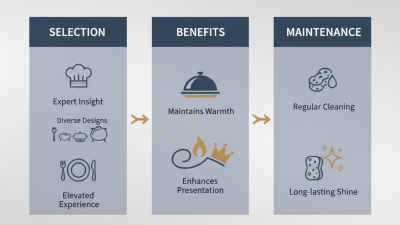
Choosing a chafing dish warmer starts with capacity, material, and heat control. Stainless steel is practical because it resists corrosion and handles frequent service. For large events, check the dish size and fuel duration carefully. A warmer should sit firmly on a level table. Uneven legs create real safety problems. I once underestimated table space, and serving became awkward.

During use, fill the water pan according to the manufacturer’s instructions. Water helps distribute heat and protects food from direct, harsh heating. Keep hot food covered when possible, but stir thicker dishes occasionally. Use a food thermometer to check that meals remain at safe serving temperatures. Never leave an active warmer unattended. Place it away from paper, curtains, and crowded walkways.

Tips: Let the unit cool completely before cleaning. Remove food residue with warm water and mild detergent. Avoid abrasive pads, which can scratch polished surfaces. Dry every part before storage, especially around hinges and fuel holders. Inspect handles, supports, and the water pan before each event. If a component feels loose, stop using the warmer until it is repaired or replaced. Not every cleaning method works equally well; testing a small hidden area prevents costly damage.