How to Choose the Best Chafing Dish Warmer for Your Needs?
Choosing the right Chafing Dish Warmer is crucial for any catering event or buffet service. According to industry research by IBISWorld, the catering and food services market has grown steadily, with an expected revenue of $85 billion in 2023. This growth highlights the importance of investing in quality equipment to meet customer expectations.
A Chafing Dish Warmer not only maintains food temperature but also enhances presentation. Potential buyers need to consider several factors, such as size, fuel type, and materials. For instance, stainless steel models tend to be more durable and easier to clean. However, they can come with a higher price tag. Understanding these nuances can lead to better purchasing decisions, especially when budgets are tight.
Errors can arise in choosing a Chafing Dish Warmer. Many overlook the balance between capacity and heat efficiency. Smaller units may not hold enough food, while larger units may waste fuel. This mismatch can lead to food safety concerns and increased operational costs. Careful reflection on these aspects ensures that your choice meets both practical and aesthetic needs.
Factors to Consider When Choosing a Chafing Dish Warmer
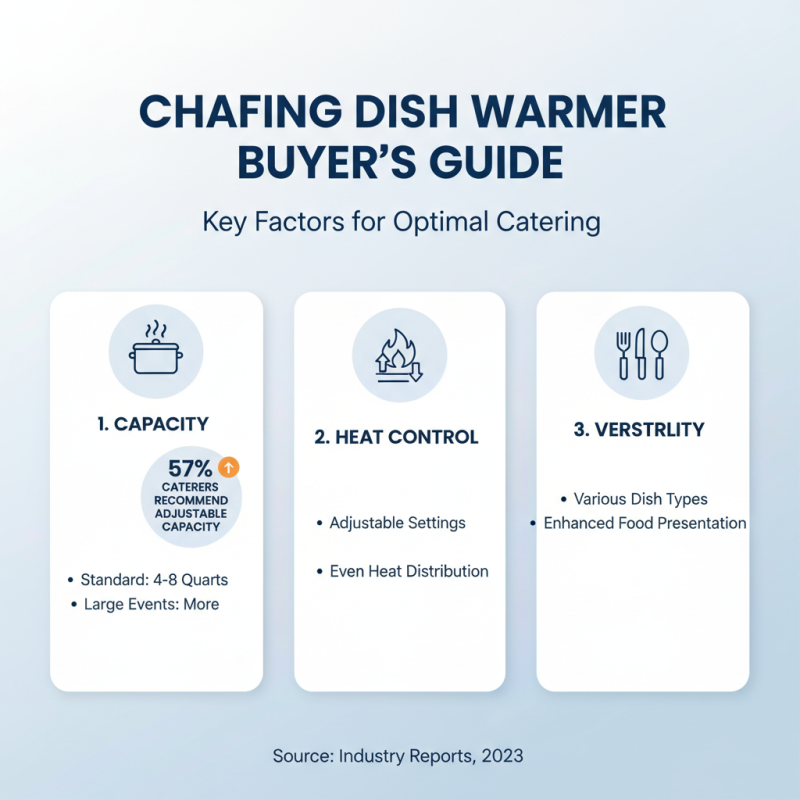
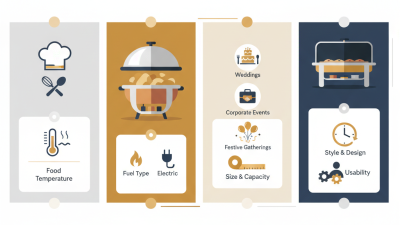
Choosing the right chafing dish warmer involves critical factors to ensure optimal performance. Capacity is a primary concern. A standard warmer usually holds 4 to 8 quarts, but larger events may require more. According to industry reports, about 57% of caterers recommend a warmer with adjustable capacity for versatility. This flexibility allows for various dish types, enhancing meal presentation.
Another key factor is heat source options. Most warmers use fuel-based or electric systems. Electric warmers provide consistent temperature control, crucial for food safety. Research shows that maintaining food at 140°F is vital to prevent bacterial growth. Yet, fuel warmers offer mobility, beneficial for outdoor events. Each heat source has merits, but understanding your event’s specific needs is essential for making the right choice.
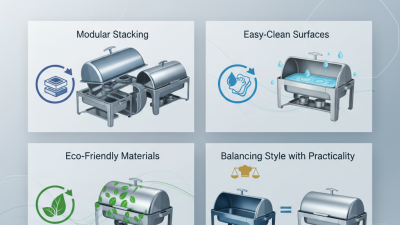
Lastly, materials and construction play a significant role. Stainless steel models are popular due to their durability and ease of cleaning. Reports indicate that 48% of caterers value sturdiness in their warmers, citing longevity. However, price can sometimes dictate quality. Finding a balance between budget and functionality is a challenge many face. Prioritize features that align best with your requirements to avoid regretful purchases.
Different Types of Chafing Dish Warmers Available on the Market
When selecting a chafing dish warmer, understanding the various types is crucial. There are primarily three types: electric, fuel-powered, and water pan warmers. Each has unique features that cater to different needs. Electric warmers are convenient. They provide consistent heat and are easy to operate. Just plug them in, and they are ready to go. However, they require a power source, which limits their use outdoors.
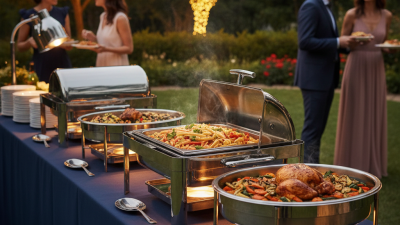
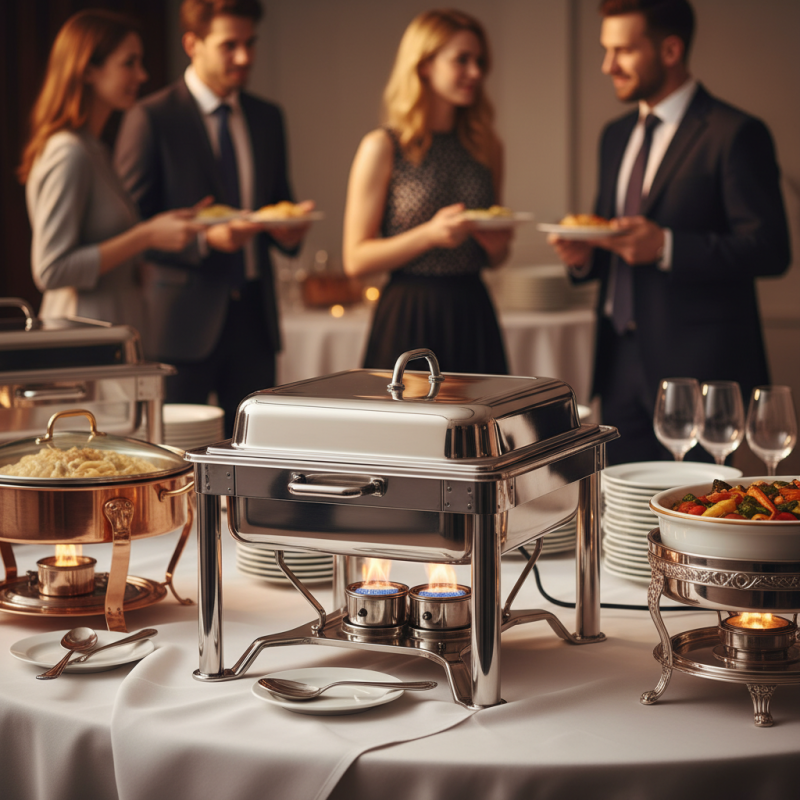
Fuel-powered warmers use chafing fuel cans. They are great for outdoor events or venues without electrical access. The flames provide a charming ambiance, but controlling the heat can be tricky. It’s important to monitor the flame closely to prevent overcooking. Water pan warmers offer another alternative. They keep food at safe temperatures, utilizing steam to maintain moisture. However, they can take longer to heat up compared to other options.
Choosing the right type depends on your specific event. Consider factors like location, available power sources, and food options. The versatility of these warmers means that you might need more than one type for different occasions. People often overlook these details. Reflect on past experiences to make a better choice this time. It's important to balance convenience with functionality.
Assessing Size and Capacity for Your Serving Needs
When choosing a chafing dish warmer, size and capacity are crucial. A chafing dish should fit your serving needs. Consider the number of guests you typically host. For small gatherings, a dish that holds two to four quarts may suffice. Larger events, however, require more substantial capacity, often eight to twelve quarts.
Think about the type of food you'll serve. Liquid dishes like soups need more volume. However, solid dishes may require a different approach. Visualizing the layout can help. If you plan a buffet, ensure dishes accommodate multiple items. Overcrowding can lead to chaos and mess.
Balancing space and functionality is essential. A dish too large can consume valuable table space. Too small? You may run out of food too quickly. Reflect on past events. Did you have enough warmth and space? Learning from these experiences can guide your decisions. Consider how often you’ll use the dish, as that also influences your choice.
Understanding Fuel Options: Electric vs. Propane vs. Gel
When selecting a chafing dish warmer, understanding fuel options is essential. Electric warmers are convenient for indoor events. They provide consistent heat and are easy to use. Just plug them in, and you can maintain temperature easily. However, they may limit your mobility. You’ll need an outlet nearby.
Propane warmers offer great flexibility. They are ideal for outdoor gatherings. With propane, you can set up anywhere. You won’t be restricted by power sources. However, managing propane can be tricky. You need to ensure you have enough fuel and a secure connection. Safety should not be overlooked.
Gel fuel is another option that is gaining popularity. It comes in small cans, making it lightweight and portable. Gel can be easy to light and extinguish. But, you must monitor the flame closely. It might not provide the same heat consistency as electric or propane options. Always consider your event layout and cooking needs when making a choice.
How to Choose the Best Chafing Dish Warmer for Your Needs?
| Fuel Type |
Heat Duration |
Heat Output |
Ease of Use |
Safety |
Cost |
| Electric |
Long (up to 8 hours) |
Consistent |
Very Easy |
Safe |
Moderate |
| Propane |
Medium (3-5 hours) |
High |
Moderate |
Caution Required |
Higher |
| Gel |
Short (1-2 hours) |
Variable |
Easy |
Safe |
Low |
Tips for Maintaining and Cleaning Your Chafing Dish Warmer
Cleaning and maintaining your chafing dish warmer is crucial for longevity. After each use, empty and wipe down the interior. Use a soft cloth to avoid scratches, and ensure you address any food residue. Hot water and mild detergent work well for cleaning. Avoid abrasive cleaners as they can damage the surfaces. Routine maintenance will help you spot small issues before they become major repairs.
Inspect the burners and fuel holders regularly. Look for any signs of wear or blockage. A clean fuel line helps the burners function efficiently. Replace parts as needed, but be mindful of the type. Taking time to check connections can prevent safety hazards. Always refer to the manual for proper maintenance guides.
Storing your chafing dish warmer properly is just as important. When not in use, choose a cool, dry place. Ensure all components are disassembled and stored separately. Don’t stack heavy items on top of it. This can cause warping over time. Though it may seem tedious, these steps play a vital role in ensuring your warmer lasts. Don't rush through it.