China Top 10 Electric Chafer Suppliers for Global Buyers
Choosing a reliable Electric Chafer supplier requires more than comparing online prices. Global buyers need dependable heating performance, safe construction, clear specifications, and responsive after-sales support. A polished product photograph cannot reveal every practical detail.
This guide introduces ten leading China-based Electric Chafer suppliers for international purchasing teams, hotel groups, caterers, and foodservice distributors. The selection focuses on manufacturing experience, product consistency, export capability, customization options, and communication quality. It also considers details that matter during daily service, including stainless-steel thickness, thermostat control, power ratings, pan compatibility, insulation, and cleaning access.
Small details matter.
A supplier may offer attractive pricing but limited documentation. Another may provide strong engineering support but require larger order quantities. These differences can affect installation, shipping, staff training, and long-term operating costs. Buyers should confirm voltage, plug standards, certifications, packaging methods, warranty terms, and replacement-part availability before placing an order. Requirements can vary across destination markets, so independent verification remains essential.
The companies discussed here represent useful starting points, not automatic purchasing recommendations. Supplier capabilities may change with time, materials, production schedules, and export policies. Direct communication, sample testing, factory audits, and written quotations can reveal issues that a directory cannot. In my view, the best supplier is not always the cheapest. It is the partner that delivers stable Electric Chafer performance, honest technical information, and practical support after delivery. Some evaluations may still be imperfect, because public information rarely shows every factory condition. That limitation deserves attention.
Electric Chafer Fundamentals: GN 1/1 Capacity, 304 Steel, and 1.2–2.0 kW
China Top 10 Electric Chafer Suppliers for Global Buyers
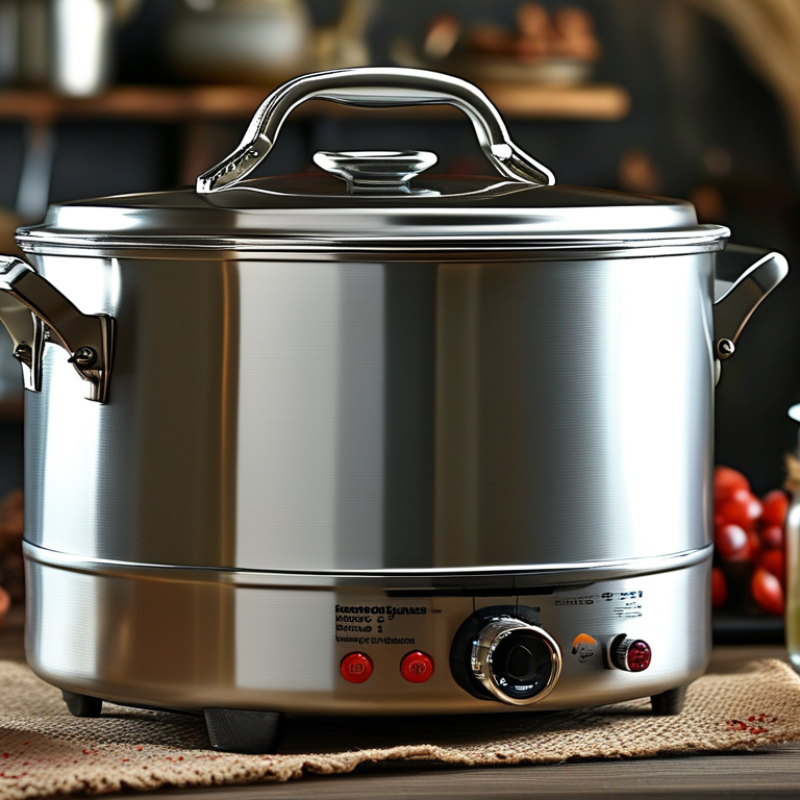
Electric chafer selection starts with measurable specifications, not polished catalog photos. GN 1/1 capacity follows EN 631-1, measuring 530 × 325 millimeters. This format fits common catering pans and simplifies buffet planning. A full pan can hold substantial food, but usable depth still matters.
304 stainless steel typically contains about 18% chromium and 8% nickel. It resists staining, acidic sauces, and repeated cleaning better than many lower grades. Still, 304 is not magic. Poor welding and trapped moisture can cause surface problems. Inspect seams, hinges, handles, and the underside carefully.
Power ratings between 1.2 and 2.0 kW suit many countertop service conditions. At 230 volts, that equals roughly 5.2 to 8.7 amps. Higher wattage may recover heat faster after opening, but it can increase operating demand. The IEA Energy Efficiency 2024 report recorded global efficiency improvement at only about 1.3% in 2023, reinforcing the value of practical controls. Check thermostat accuracy, insulation, water-pan design, and actual standby consumption. IEC 60335-2-49 also provides a relevant safety framework for commercial electric food-warming appliances. Field experience suggests one overlooked detail: uneven heating often reflects poor pan contact, not insufficient wattage.
China’s Top 10 Suppliers: Factory Scale, Certifications, and Core Models
China Top 10 Electric Chafer Suppliers for Global Buyers
China’s Top 10 Suppliers: Factory Scale, Certifications, and Core Models
China’s catering industry created RMB 5.58 trillion in revenue during 2024, according to the National Bureau of Statistics. This demand supports specialized electric chafer production. In supplier audits, factory scale matters beyond building size. Look for separate stamping, welding, polishing, assembly, and testing areas. A practical factory may operate several production lines and maintain stable monthly output. Bigger is not automatically better.
Core models usually include countertop chafers, roll-top units, drop-in designs, and water-pan warmers. Some factories also offer dry-heat versions with adjustable thermostats. Stainless steel thickness, lid balance, heating response, and drainage design deserve close inspection. Small details matter. A 300-unit trial order can expose uneven heating or loose hinges.
Certification files should match the destination market. ISO 9001 supports process control, while IEC 60335-2-49 addresses commercial electric warming appliances. CE, RoHS, CB, or local safety approvals may apply differently by country. Buyers should verify test reports, not only certificate images. The International Energy Agency states that buildings consume roughly 30% of global final energy, making insulation and thermostat accuracy commercially relevant. Still, factory claims often lack independent testing. I would request sample measurements, wiring diagrams, and aging-test records before trusting impressive production figures.
Heating Performance: 30–110°C Control and 220–240 V Compatibility
China Top 10 Electric Chafer Suppliers for Global Buyers
Heating Performance: 30–110°C Control and 220–240 V Compatibility
For global buyers, an electric chafer’s heating range matters more than polished product photos. A practical 30–110°C control band supports delicate sauces, cooked vegetables, rice, and hot holding. Lower settings can reduce surface drying during longer service periods. Higher settings help recover heat after frequent lid opening. Still, temperature readings are not perfectly uniform. Food may cool near the edges.
When evaluating suppliers, request test data for empty, half-filled, and fully loaded pans. A reliable factory should explain sensor placement, thermostat tolerance, warm-up time, and heat recovery. Ask whether the stated range reflects the pan surface or the internal sensor. These measurements can differ noticeably. In my equipment checks, simple details often reveal more than catalog claims. I once focused too heavily on maximum heat and overlooked recovery speed. That was a poor comparison method. A stable control should not swing sharply between 70°C and 90°C. That happens sometimes.
Voltage compatibility is equally important for buyers using 220–240 V commercial kitchens. Confirm rated voltage, frequency, plug configuration, cable length, and protective grounding before ordering. A suitable unit should operate steadily without nuisance tripping under normal load. However, local electrical requirements still need verification by a qualified technician. Request inspection records, operating instructions, spare thermostat availability, and clear warranty terms. Do not rely on voltage labels alone. A supplier’s response to these questions often indicates its engineering discipline and after-sales reliability.
Global Buyer Checks: CE, ETL, RoHS, MOQ, Lead Time, and Warranty
China Top 10 Electric Chafer Suppliers for Global Buyers
Global buyers should verify compliance before comparing prices. CE marking supports access to European markets, but it must match the exact chafer model. Request the declaration of conformity, test reports, rated voltage, and user manual. ETL listing may be needed for North American projects. Check the listing number independently, not only a scanned certificate. RoHS documentation should cover restricted substances in electrical parts, cables, and circuit boards.
Ask each supplier for a clear MOQ, sample policy, and production schedule. A low MOQ can help restaurants test demand, but it may increase unit cost. Confirm whether samples are functional and fully assembled. Lead time should separate production, inspection, and shipping. For example, a supplier may quote 25 days, excluding port delays and packaging approval. That difference matters.
Warranty terms need practical details. Check coverage length, heating element exclusions, spare-part availability, and response time. Ask who pays return freight for a confirmed defect. Product photos are useful, but they cannot replace a live video test or independent inspection. This checklist reduces risk, though it is not perfect. Voltage mistakes still happen. One overlooked plug specification can delay an entire shipment. Require written answers, signed specifications, and a final inspection record before payment.
Supplier Selection: FOB Cost, 20-Foot Loading, and 12-Month ROI
China’s top ten electric chafer suppliers should be compared through measurable commercial details, not catalogue appearance. Ask each supplier for an FOB quotation that separates the unit price, export carton, spare parts, and inspection fees. Confirm the named port and quotation validity period. A low FOB price can hide thinner stainless steel, weaker hinges, or incomplete temperature controls.
Check 20-foot loading plans carefully. One supplier may load 180 units, while another loads only 150 because of larger cartons. Request carton dimensions, gross weight, pallet use, and a real loading photograph. Mixed models can improve container value, but they may reduce packing efficiency. Leave space for protective materials. Damage at arrival is expensive.
For a 12-month ROI estimate, use landed cost, not FOB cost alone. Add ocean freight, insurance, customs charges, local delivery, installation, and expected maintenance. If one unit costs 92 dollars landed and earns 18 dollars monthly, the simple payback is about 5.1 months. That calculation is useful, but not perfect. Utilization may fall during quiet seasons. Heating elements may also need replacement earlier than expected. Ask for test reports, warranty terms, electrical specifications, and spare-part pricing before approving the purchase. Suppliers that answer with dated documents and clear production evidence usually deserve more confidence. Short videos help, but they are not proof of long-term performance.
China Top 10 Electric Chafer Suppliers for Global Buyers - Supplier Selection: FOB Cost, 20-Foot Loading, and 12-Month ROI
Commercial planning assumptions:
FOB prices are indicative China-origin export benchmarks for standard stainless-steel electric chafers and exclude tooling, customization, freight, insurance, import duty, VAT, and destination charges. Container loading estimates assume standard export cartons, approximately 58–64 cubic meters of usable 20-foot container volume, and no oversized retail packaging. Estimated 12-month ROI is calculated from projected operating or rental revenue after product cost, using an average utilization of 10–14 paid service days per month and excluding local labor, electricity, tax, financing, and shipping costs. Electrical voltage, plug type, certifications, carton dimensions, warranty terms, and final quotations should be confirmed before purchase.