Inquiry
Form loading...

Top 10 Types of Cutlery Containers for Global Buyers

Choosing a Cutlery Container is a practical decision for restaurants, hotels, caterers, and household retailers. The right design keeps forks, knives, and spoons organized while making them easy to reach. It also affects cleaning routines, storage space, and the feel of a dining area.

Small details matter. A countertop holder needs a stable base and openings that suit the utensils inside. A portable caddy may need a firm handle and compartments that stop pieces from shifting. Not glamorous, but useful. Materials bring different trade-offs: stainless steel can feel durable and easy to wipe, while wood may add warmth but require more careful maintenance. Plastic is often lightweight, though quality and finish vary. No single option fits every buyer.

This guide introduces ten common types, from divided countertop organizers to portable serving caddies and drawer inserts. It considers where each design works best, what features buyers can compare, and which limitations deserve a closer look. Dimensions, drainage, surface finish, and cleaning access are worth checking before placing a bulk order. A product photo rarely shows every practical detail. That is one weak point in many buying decisions. Clear specifications and sample checks can help reduce surprises, especially when products will serve different venues or markets. The goal is not to name one universal winner, but to help global buyers match the container to its setting, users, and daily handling.

Top 10 Types of Cutlery Containers for Global Buyers

Cutlery Containers: Functions, Uses, and Main Product Categories

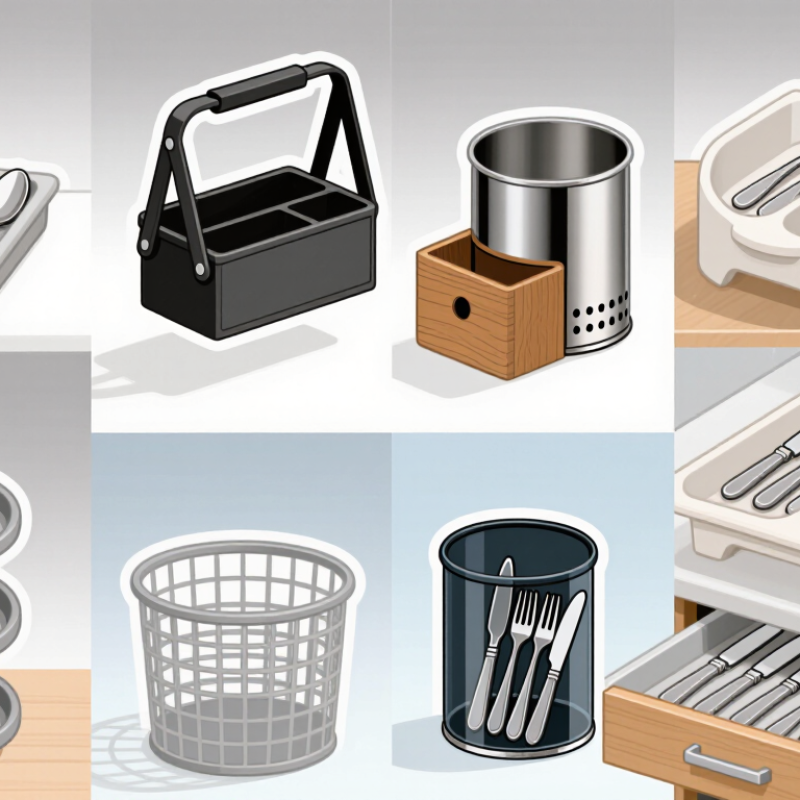
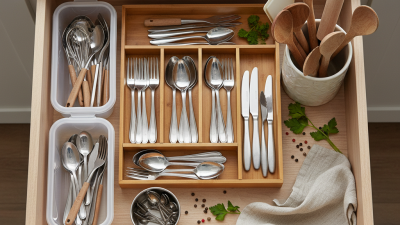
Cutlery containers organize utensils, protect drawer space, and make everyday tools easier to reach. Their design depends on where they will be used. Drawer trays separate teaspoons, forks, and serving pieces, while countertop caddies keep frequently used items close to the sink or dining area. Portable holders suit picnics, catering, or shared meals. Small details matter.

Common product categories include compartment trays, vertical countertop holders, covered storage boxes, drying caddies, and stackable organizers. Some have removable dividers for changing utensil sizes. Others use perforated bases to let washed cutlery drain. A covered container can help keep stored items free from dust, but it needs to dry fully before closing.

Material and dimensions affect performance. Stainless steel resists everyday wear, while plastic is often light and easy to handle. Bamboo or other wood can suit dry storage, though prolonged moisture may cause problems. Measure the drawer or counter before choosing; a wide holder can crowd a small kitchen. Fit comes first. For buyers comparing options, check capacity, cleaning access, stability, and drainage rather than relying on appearance alone. There is no perfect layout for every household, and even a well-made organizer may waste space when its compartments do not match the cutlery.

Top 10 Types of Cutlery Containers: Typical Functions

Compare the common roles of ten cutlery storage formats. Each colored segment represents a typical function; actual features vary by product design. This is a functional classification, not market-share data.

Household Types: Drawer Trays, Counter Caddies, Crocks, Drainers, Wall Racks

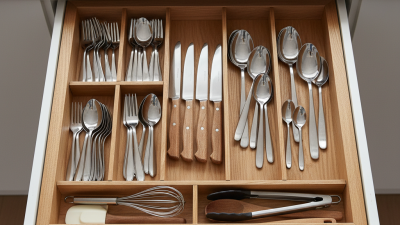
Household cutlery containers work best when they match both the utensils and the kitchen’s daily routine. Drawer trays keep forks, knives, and spoons separated, while adjustable dividers accommodate serving pieces or changing household needs. Measure the drawer before buying; even a well-made tray becomes frustrating if it catches on the runners. Shallow compartments are easy to reach but can crowd larger utensils. Small kitchens benefit.

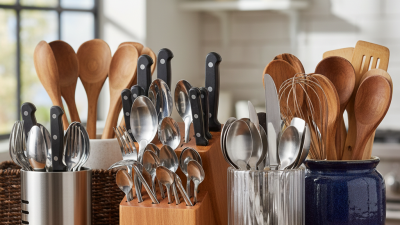
Counter caddies and ceramic or metal crocks keep frequently used tools within reach, especially near a preparation area. Choose a stable base and washable interior, since oil and crumbs collect around handles. Drainers suit freshly washed cutlery, but standing water needs regular emptying and the holder needs airflow. Wall racks free counter space and make tools visible; check mounting strength and keep sharp edges away from busy paths. They are not always practical in shared kitchens. Wood feels warm but may stain; stainless steel wipes clean, though water spots can show. A container that looks tidy in a shop may feel awkward beside a crowded sink, so consider the space around it too.

Portable and Service Types: Cases, Rolls, Picnic Sets, Dispensers, Modular Inserts

Portable cutlery cases protect individual sets in backpacks, lunch bags, or catering kits. A firm shell helps prevent bent fork tines, while a washable lining handles crumbs and moisture. Cutlery rolls use less space and keep utensils separated with fabric pockets. They can be slower to pack, though, and damp fabric needs time to dry. Picnic sets combine utensils with plates or cups, making them convenient for outdoor meals. Check the weight and closure before choosing one; a crowded set can be surprisingly awkward to carry.

For counters and self-service areas, dispensers keep utensils visible and easy to reach. Look for a stable base and openings wide enough for the intended pieces, without allowing everything to spill out. Modular inserts suit drawers and service stations where different utensil sizes need separate sections. Measure the drawer carefully. Inserts that shift during busy service can create clutter instead of reducing it. Materials also matter: smooth, washable surfaces are practical, but very lightweight dividers may not stay in place.

Tips: Match the container to how it will be used, then test loading and cleaning with real utensils. Check for sharp edges, loose seams, and parts that trap food. A neat product photo does not always show daily handling.

Materials and Food-Contact Rules: EU 1935/2004 and FDA 21 CFR 177.1520

A cutlery container may look simple, but its material and intended use matter. Under EU Regulation 1935/2004, food-contact materials must not transfer substances in amounts that could endanger health, unacceptably change food, or impair its taste and smell. Traceability matters, too. A container holding damp forks beside sliced fruit faces different conditions from one carrying dry, wrapped utensils.

In the United States, 21 CFR 177.1520 covers specified olefin polymers, such as certain polyethylene and polypropylene materials. It is not a blanket clearance for every plastic container. Check the exact resin, additives, food types, and contact conditions against the applicable provisions. Small details count. A lid, colorant, or recycled content can change what evidence is needed. Ask suppliers for material specifications and supporting compliance documents, then assess whether migration testing fits the intended use. Keep records tied to the actual product and production batch. Paperwork can look tidy. Real use is messier: heat, long contact, and repeated washing may expose gaps in assumptions. A container should be evaluated for the conditions buyers will actually encounter.

Global Buyer Checks: Capacity, Dimensions, Durability, and Compliance Documents

When comparing cutlery containers, check usable capacity rather than relying on the listed volume alone. A holder for a family table may need separate spaces for spoons, forks, and serving tools. For a compact countertop model, measure the drawer or shelf before ordering. Small details matter. Ask suppliers for internal dimensions, outer dimensions, and packed dimensions; these figures answer different questions.

Durability depends on daily handling and cleaning. Inspect wall thickness, seams, drainage openings, and the stability of the base. A loaded container should not tip when someone removes a large serving spoon. For plastic designs, request details about resin type and heat tolerance. For metal or bamboo options, check finishes, joints, and moisture care instructions. A photo can help, but it cannot replace a sample inspection. I would not skip that step, even when the product looks simple.

Request documents that match the product material and the destination market. These may include food-contact test reports, material declarations, and production or batch traceability records. Confirm the document’s model, material, and test scope match the quoted item. Check the fit. Requirements differ by market, so avoid treating one certificate as universal proof. A tidy folder is useful, but mismatched paperwork is not.

Top 10 Types of Cutlery Containers for Global Buyers — Global Buyer Checks: Capacity, Dimensions, Durability, and Compliance Documents

Container Type Common Material Typical Capacity Typical Dimensions (L × W × H) Durability Checks Compliance Documents to Request
Countertop compartment caddy Stainless steel, often with a removable divider or base Approximately 40–60 pieces across 4 compartments About 18 × 18 × 15 cm Check for stable footing, smooth edges, corrosion resistance, and secure divider fit. Confirm the steel grade and finish are specified. Material specification; food-contact declaration or test report for the destination market; applicable stainless-steel composition documentation.
Drawer cutlery organizer Food-contact-grade polypropylene (PP) Approximately 30–50 individual pieces in 5–6 compartments About 35 × 26 × 5 cm Check compartment-wall strength, resistance to cracking, fit within the intended drawer, and ease of cleaning. Food-contact declaration; applicable overall and specific migration test reports; material specification. Request market-specific documentation, such as applicable EU or US requirements.
Expandable drawer organizer Bamboo or bamboo panels with sliding sections Approximately 30–50 pieces in 5–7 compartments About 34 × 26 × 5 cm closed; extends to roughly 44 × 26 × 5 cm Check extension-rail movement, joint strength, surface splinters, moisture-related warping, and the durability of any coating or adhesive. Material and coating details; food-contact assessment where direct contact is intended; coating or adhesive test information; wood-origin documents if required by the destination market.
Countertop utensil crock Glazed ceramic Approximately 15–25 pieces, depending on utensil size About 12 × 12 × 16 cm Check for cracks, chips, glaze defects, a stable base, and resistance to ordinary handling. Confirm the interior glaze is suitable for the intended use. Ceramic food-contact test report, including applicable lead and cadmium release testing; product specification and glaze information.
Portable cutlery case PP or ABS plastic, sometimes with a silicone seal Typically 1–2 cutlery sets About 20 × 5 × 2.5 cm Check hinge and latch cycle performance, drop resistance, edge finish, and whether the case stays closed during transport. Food-contact declaration and applicable migration reports for the case and seal; material identification; care and temperature-use instructions.
Travel cutlery canister Stainless steel with a removable cap Typically 1 cutlery set About 23 × 5 × 5 cm Check cap retention, dent resistance, burr-free edges, corrosion resistance, and whether trapped moisture can drain or dry. Steel grade and material specification; food-contact declaration or market-specific test report; documentation for any plastic or silicone components.
Roll-up cutlery pouch Cotton, polyester, or a washable fabric blend Typically 6–8 pieces About 35 × 25 cm open; approximately 25 × 8 × 4 cm rolled Check stitching, pocket seams, tie or closure strength, wash performance, and colorfastness. Confirm whether the lining is intended for direct food contact. Textile composition and care-label information; applicable chemical-restriction test reports; food-contact evidence for any lining claimed for direct contact.
Disposable cutlery dispenser or counter box Coated paperboard or reusable plastic Approximately 100–200 disposable pieces, depending on item size About 25 × 10 × 12 cm Check opening strength, resistance to tipping, dispenser access, and moisture resistance for paperboard versions. Food-contact declaration for surfaces that may contact cutlery; paper or coating specifications; recycled-content or packaging claims documentation where applicable.
Wall-mounted cutlery holder Stainless steel or PP Approximately 30–50 pieces in 3–4 compartments About 30 × 12 × 10 cm Check mounting-hole strength, load stability, drainage, corrosion resistance for metal versions, and secure attachment of compartments. Material and food-contact documentation for relevant surfaces; installation and load instructions; documentation for coatings, adhesives, or mounting components where applicable.
Reusable silicone cutlery pouch Food-contact-grade silicone Typically 1–2 cutlery sets About 22 × 6 × 3 cm Check tear resistance, closure fit, odor after washing, staining, and performance through repeated washing. Confirm the stated temperature range. Silicone composition and food-contact declaration; applicable migration or extractables test reports; care and temperature-use instructions.

Buyer note: Capacities and dimensions are indicative examples, not fixed industry standards. Confirm finished-product measurements, tolerances, intended food-contact use, and destination-market requirements with the supplier. Compliance documents should match the specific material, product, and importing market.