How to Choose the Best Cutlery Container for Your Kitchen?
Choosing the right cutlery container for your kitchen may seem straightforward, but it requires careful consideration. A well-chosen cutlery container enhances organization and improves efficiency during meal preparation. The right container should not only fit your utensils but also align with your kitchen’s aesthetic.
When selecting a cutlery container, think about your cooking habits. Do you use a variety of utensils daily, or do you stick with a few essentials? Your choice will impact the type of container you need. Consider materials and styles that are easy to clean and durable.
It's easy to overlook details like size and compartment design, leading to frustration later. Reflect on what works for you. Are you struggling with clutter? If so, a divided container may help. Remember, a cutlery container you find appealing might inspire you to keep your kitchen tidy and functional.
Understanding Different Types of Cutlery Containers for Kitchens
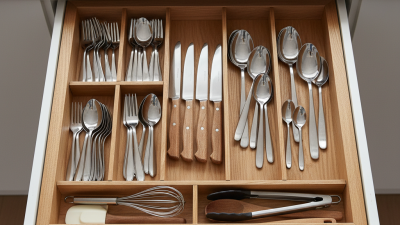
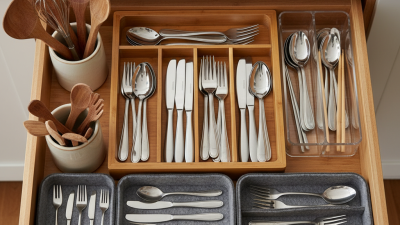
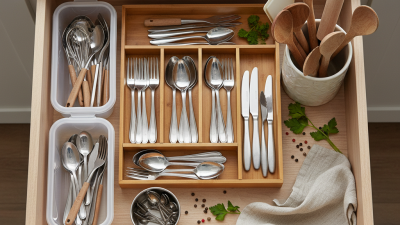
When selecting a cutlery container for your kitchen, it's essential to understand the various types available. A classic drawer organizer is a practical choice. It fits neatly in a kitchen drawer, keeping utensils separated. Some models offer adjustable dividers for customization. This could help fit your specific needs.
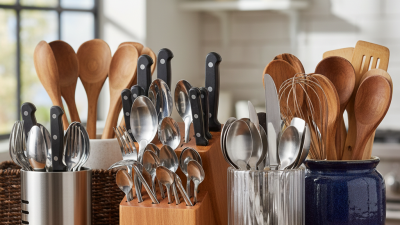
Alternatively, countertop containers are eye-catching. They can add a decorative touch to your space. Many are designed to hold a variety of utensils. However, they might occupy valuable counter space. Choosing between style and practicality can be challenging.
Magnetic strips are another option. They can stylishly display knives and tools. However, installation may require some consideration. Not every kitchen is suited for this type. Assessing your kitchen layout is crucial. Each container type has advantages and drawbacks. Finding what works best for you may require some trial and error. Adjust your choice as your cooking habits change.
Evaluating Material Options for Cutlery Containers: Pros and Cons
Choosing the right material for your cutlery container can significantly impact your kitchen experience. Materials like wood, plastic, metal, and bamboo each have unique attributes worth considering.
Wooden containers offer a classic look and durability. However, they require regular maintenance to prevent warping and are more prone to scratches. If you value aesthetics and warmth, wood might be ideal. Just remember, not all woods are equally resilient.
Plastic containers are lightweight and easy to clean, but they may not stand the test of time. They can stain easily and might not suit a modern, upscale kitchen. On the other hand, metal options like stainless steel provide sturdiness and a sleek appearance.
They don’t absorb odors but can scratch or dent. This makes them less than perfect for some. Finally, bamboo offers an eco-friendly choice. It’s lightweight and naturally antimicrobial. While bamboo looks great, it can be less durable than wood, leading to potential fraying over time.
When evaluating these options, consider your kitchen's décor and your cutlery style. Reflect on how often you use the container. Frequent use may require something robust and easy to clean. Sometimes, the most visually pleasing choice might not be the most practical.
Balancing aesthetics and functionality is crucial when choosing the best cutlery container. Never settle for less than what suits your needs best.
Assessing Size and Capacity: Finding the Right Fit for Your Space
When choosing a cutlery container, size and capacity are paramount. Research shows that 70% of household kitchens have limited drawer space. Thus, selecting a container that fits neatly can maximize efficiency. Measure your available space. Consider height, width, and depth. A compact design is ideal for smaller kitchens, while larger spaces can comfortably accommodate bigger containers.
Capacity is crucial. A single container often holds around 15 to 20 utensils. If you own numerous knives, forks, and spoons, opt for a multi-compartment design. This avoids clutter and makes organizing easier. According to industry studies, a well-organized kitchen can improve cooking speed by 30%.
Reflect on your cooking habits. Frequent cooks may need a larger container. In contrast, minimalists can manage with a smaller option. Frequent reorganizing might seem tedious, but it leads to increased functionality in your kitchen. Assessing your specific needs will guide you toward the best fit, ensuring that your cutlery container meets both your practical and aesthetic desires.
Design and Aesthetics: Choosing a Container that Matches Your Style
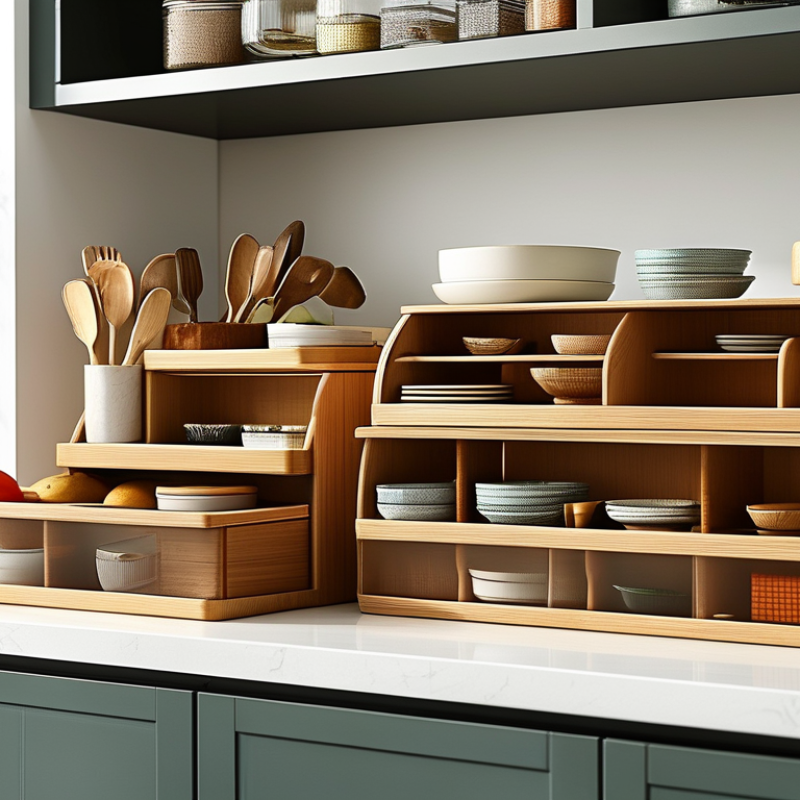
When selecting a cutlery container, the design and aesthetics are crucial. Your kitchen is a reflection of your style. A container that complements your decor can enhance the overall appearance. For a minimalist kitchen, consider sleek metal or clear acrylic designs. They provide a modern look and make cutlery easy to see. Meanwhile, rustic wooden containers add warmth to a vintage or farmhouse style. Sometimes, the material can even evoke a certain ambiance.
Colors and finishes matter too. A vibrant, colored container can add a pop of personality. However, it may clash with muted tones. Soft neutrals keep things balanced. Reflect on your kitchen's palette before making a choice. Customization is also an option. Personalizing a cutlery holder can showcase your taste and make it truly yours.
Functionality shouldn't be overlooked. A beautifully designed container can still be impractical. It’s essential to assess how well it serves your needs. Think about the space available. An overstuffed container may look chaotic. The balance between aesthetics and practicality is vital. It’s worth taking time to find the perfect fit for your kitchen vision.
How to Choose the Best Cutlery Container for Your Kitchen? - Design and Aesthetics
Key Features to Look for in a Quality Cutlery Container
When selecting a cutlery container, it’s essential to consider key features that enhance functionality and organization. One report by the National Kitchen & Bath Association (NKBA) indicates that nearly 65% of homeowners prioritize organization in their kitchens. A quality cutlery container should have adjustable compartments to accommodate various utensil sizes. Flexibility allows users to design their own layout according to their needs.
Materials play a crucial role, too. Stainless steel and bamboo are popular choices due to their durability and ease of maintenance. According to the Kitchenware Manufacturers Association, 53% of consumers prefer materials that are not only attractive but also hygienic. Non-slip bases are an often overlooked yet vital feature. They ensure stability, preventing the container from sliding around during use. A secure fit for knives is necessary to avoid accidents when retrieving utensils.
Look closely at the dimensions, too. A container that is too large or too small can be impractical. A study from the American Home Design Association revealed that 30% of kitchens suffer from inefficient storage solutions. Using a container that fits your drawers can maximize space and streamline kitchen workflows. Consider these elements carefully to enhance the usability of your kitchen cutlery.