10 Essential Tips for Choosing the Perfect Cutlery Container?
Choosing the right cutlery container can enhance your kitchen's organization and aesthetics. A good cutlery container not only holds utensils but also adds style to your dining area. With a plethora of options available, understanding what suits your needs is vital.
Consider factors such as material, size, and design. Your choice should reflect both function and personality. A wooden cutlery container exudes warmth, while stainless steel offers a modern touch. Think about how much space you have. An overflowing container can lead to frustration, while a well-sized one maintains order.
It’s easy to overlook the importance of practicality. A cutlery container should facilitate easy access to your items. However, some designs may look appealing but can be impractical. Take the time to reflect on your daily use. Think about cleaning as well—certain materials require more upkeep. Choosing wisely will make a significant difference in your kitchen efficiency and enjoyment.
Understanding Different Types of Cutlery Containers Available
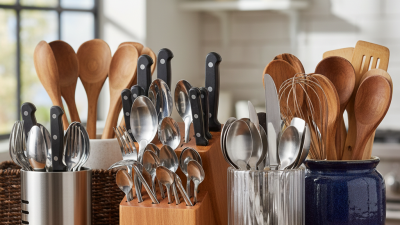
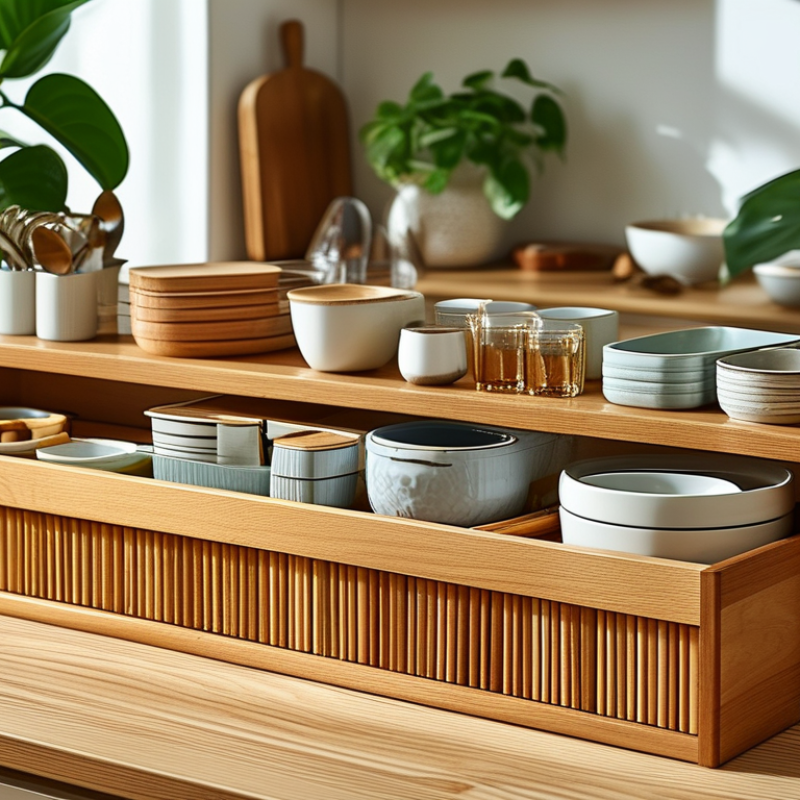
When selecting a cutlery container, it's essential to know the different types available. There are wooden, plastic, and metal options. Each material has its own pros and cons. Wooden containers offer a classic look but can be harder to clean. Plastic options are lightweight and easy to maintain. However, they might not be as durable. Metal containers provide a modern aesthetic but can be prone to scratches.
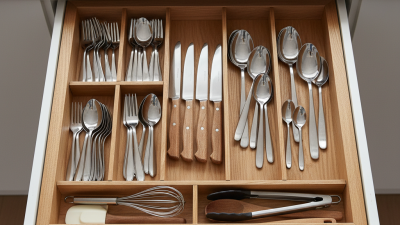
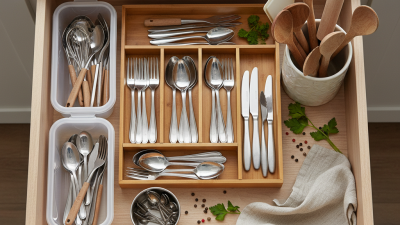
The size and layout of the container also matter. Some containers have multiple compartments, which help organize various utensils. Others may feature a simple design for easy access. Think about your kitchen space. A bulky container might not fit well on a counter. On the other hand, a small one might not hold everything you need.
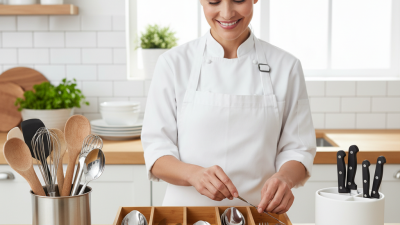
Consider your cooking habits too. If you frequently host gatherings, choose a container that can store more utensils. If you cook solo, a minimalist design might work best. Reflect on your preferences and home style. This process can be challenging, yet it leads to a more functional kitchen. Finding the right cutlery container involves balancing aesthetics and practicality.
Cutlery Container Types and Their Popularity
Determining the Size and Capacity Based on Your Cutlery Collection
When selecting a cutlery container, size and capacity are crucial factors. Think about how much cutlery you own. A small collection may fit in a compact holder, while a larger set requires more space. Measure your cutlery before shopping. This helps in visualizing what you need.
Consider the layout of your kitchen. If you have ample drawer space, a larger container might work. But, if space is tight, a slim design could save room. Keep accessibility in mind. Having everything stored properly can save time during meal prep and may lead to a more organized kitchen.
Additionally, reflect on how often you entertain guests. If hosting is frequent, a bigger container may be beneficial. However, if it’s just for family meals, a smaller option might suffice. Think about the aesthetic you want as well. A container that aligns with your kitchen theme can elevate the overall look. Ultimately, your choice should reflect both functionality and personal style.
Material Considerations: Wood, Plastic, Metal, or Fabric?
When choosing a cutlery container, material plays a key role. Wood offers a classic, warm touch. It's sturdy and can absorb moisture. However, wood requires careful maintenance. It may warp or crack if not properly cared for. A dull finish can accumulate dirt, detracting from its charm. Consider if you have the time to maintain it.
Plastic containers are lightweight and generally affordable. They come in various colors and styles, which adds a pop of vibrancy to your kitchen. Yet, they can stain and may not hold up to high temperatures. Over time, plastic can degrade, leading to potential health concerns. It’s wise to research the type of plastic used.
Metal containers provide durability and a modern aesthetic. Stainless steel is particularly resistant to rust and corrosion. However, they can be heavier and conduct heat, which may cause burns if left in the sun. Fabric options are soft, flexible, and often machine washable. Still, they may not provide the same level of structure as other materials. Each choice has its pros and cons, making personal preference essential in your decision-making process.
Design and Aesthetic: How to Match with Your Kitchen Decor
When choosing a cutlery container, consider design and aesthetics. The right container enhances your kitchen’s look. Over 74% of homeowners prioritize kitchen decor when selecting accessories. A sleek stainless steel holder may suit modern kitchens, while wooden options are ideal for rustic themes. Various textures and materials can elevate your space.
Colors matter as well. Neutrals like white or gray blend seamlessly. However, bold colors can create a striking focal point. A study from the National Kitchen and Bath Association found that 65% of remodelers choose colors that complement existing kitchen details. Think about how the container’s style interacts with cabinet finishes and backsplash patterns.
Mistakes in choosing the wrong cutlery container can disrupt harmony. An overly ornate design may clash with minimalist trends. Ensure your container is functional and appealing. Remember, the goal is cohesion. The perfect cutlery container serves its purpose while reflecting your kitchen’s vibe. Prioritizing aesthetics can lead to a well-thought-out space.
10 Essential Tips for Choosing the Perfect Cutlery Container
| Tip No. |
Tip |
Material |
Design Style |
Color Options |
| 1 |
Consider the Size |
Plastic |
Contemporary |
White, Black |
| 2 |
Think About Functionality |
Wood |
Rustic |
Natural Brown |
| 3 |
Material Matters |
Stainless Steel |
Modern |
Silver, Matte |
| 4 |
Choose the Right Shape |
Ceramic |
Traditional |
White, Floral |
| 5 |
Match with Existing Decor |
Glass |
Elegant |
Clear, Frosted |
| 6 |
Easy to Clean |
Silicone |
Minimalist |
Bright Colors |
| 7 |
Consider Storage Space |
Bamboo |
Eco-Friendly |
Light Brown |
| 8 |
Check the Stability |
Acrylic |
Modern |
Transparent |
| 9 |
Versatile Use |
Metal |
Industrial |
Gunmetal |
| 10 |
Budget-Friendly Choices |
Composite |
Casual |
Various |
Ease of Access and Organization: Features to Look For in Cutlery Containers
Choosing the right cutlery container is crucial for kitchen organization. A well-designed container not only provides easy access but also contributes to a clutter-free space. Look for practical features that enhance usability, like adjustable compartments and ergonomic designs.
When selecting a cutlery container, ensure it has a stable base. This prevents tipping when you pull out utensils. Clear labeling can save time, making it easier to find specific items. It’s often overlooked but essential for maintaining order. Consider containers with removable trays; this allows for easy cleaning and reorganization.
Think about the material as well. Stainless steel offers durability, while bamboo adds a touch of warmth. However, some materials may scratch or wear over time. Choose wisely, knowing that functionality should not compromise aesthetics. Lastly, reflect on your cooking habits. If you often host, extra capacity might be necessary, while minimalists may prefer sleek, smaller designs.