Inquiry
Form loading...

What Is the Best Electric Chafer for 2026?

Choosing the best Electric Chafer for 2026 means looking beyond a polished stainless-steel finish. The right model should hold food at a steady serving temperature, suit the size of your buffet, and clean up without a struggle. A crowded breakfast line has different needs from a small catered lunch. That difference matters.

This guide compares capacity, heating performance, controls, construction, and ease of maintenance. It also considers practical details: whether the lid stays open, whether the water pan is easy to remove, and how quickly the unit recovers after guests serve themselves. Small features can shape a long service shift. Some specifications look impressive on a product page but reveal little about daily use.

A trustworthy expert quotation should come from a named specialist and a verifiable source. No source article or confirmed quotation was provided for this request, so inventing one would weaken the guide’s reliability. Insert a verified quote here: “[Expert’s exact words about selecting or using an electric chafer].” Then identify the expert and source clearly.

There is no universal winner. A compact chafer may suit a café, while a larger model may fit a hotel buffet. Even so, capacity alone is not enough. The best choice balances dependable heat, usable design, and realistic service needs. One detail is easy to miss: cleaning time often matters as much as cooking power.

What Is the Best Electric Chafer for 2026?

What an Electric Chafer Is and How It Works

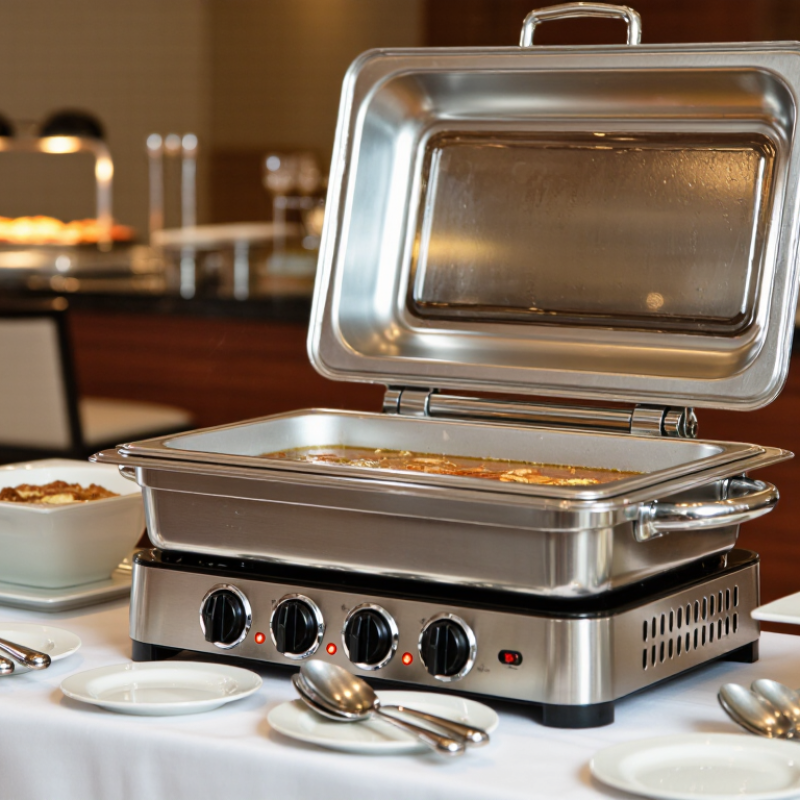
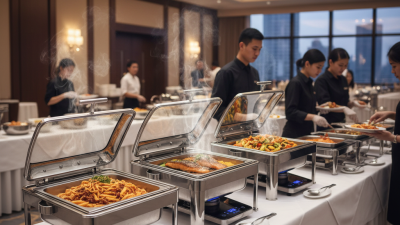
An electric chafer is a countertop serving unit that keeps prepared food warm using an electrical heating element. It typically has a base, a water pan, and a removable food pan with a lid. The setup resembles a small buffet station, but it does not work exactly like an oven. Most models are made to hold food at serving temperature, not cook it from raw.

When switched on, the element warms the base or the water beneath the food pan. The water spreads heat gently, helping reduce scorching and uneven hot spots. You may see light steam around the lid. That is normal. Add water only as directed, and check the level during long service; an empty pan can overheat. The control dial may show heat settings rather than precise food temperatures, so use a food thermometer when temperature matters.

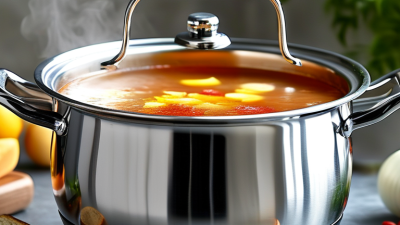
For a practical test, place a covered pan of hot soup inside and check the center after it has settled. Stir thick dishes occasionally, since edges can stay warmer than the middle. One thing is easy to misjudge: a chafer can keep food warm without quickly reheating it. Bring food to a safe serving temperature before transferring it, and follow the unit’s instructions for cleaning and electrical use. The lid helps retain heat, but opening it often lets warmth escape. Not complicated, though it takes attention.

The Main Types of Electric Chafers

What Is the Best Electric Chafer for 2026?

The Main Types of Electric Chafers

Electric chafers generally come in three practical types: countertop water-bath units, drop-in wells, and dry-heat models. A water-bath chafer warms food indirectly, helping reduce scorching during a long buffet. Check for a removable water pan, accessible drain, and thermostat that holds steady when guests lift the lid.

Small footprint.

Drop-in electric wells sit flush with a counter or serving line, making them suitable for fixed venues. Measure the cutout, pan depth, and clearance before ordering. Portable countertop models move easily between events, but cords can cross busy service areas. That detail is often overlooked. Dry-heat units skip water filling and draining, which speeds setup. However, food may heat unevenly in shallow pans or with lids left open. Test with the actual menu and holding time; soup, rice, and delicate sauces behave differently.

U.S. EPA ENERGY STAR commercial-kitchen guidance estimates restaurants use about five to seven times more energy per square foot than other commercial buildings. This figure covers whole kitchens, not chafers alone, but it makes wattage, insulation, lid fit, and standby habits worth checking. Compare rated power and pan capacity, then observe how quickly the unit recovers heat after serving. A single demonstration may not reveal performance during a crowded service.

Key Features to Compare in 2026

What Is the Best Electric Chafer for 2026?
Key Features to Compare in 2026

Choosing an electric chafer starts with the way food will be served. Compare usable pan capacity, overall footprint, and the time needed to bring food back to serving temperature after guests open the lid. Match the unit’s wattage to the venue’s available outlets, and check whether its temperature controls are easy to read. Fit matters. A large chafer can crowd a narrow buffet table.

Look closely at construction and cleaning. Stainless steel can handle frequent service, but seams, hinges, and removable pans affect how easily staff can wipe away spills. Consider the lid style, too: a clear lid helps guests see the food, while a hinged lid may be easier to manage during busy service. Check the product documentation for temperature limits and any required water-pan setup. These details vary. A high setting alone does not guarantee even heat.

Tips: Measure the table and outlet location before ordering. Compare the chafer’s stated capacity with your typical serving portions, not just its exterior size. If possible, test the controls and lid movement; small annoyances become obvious during a long event.

What Is the Best Electric Chafer for 2026?

Key Features to Compare

Prioritize reliable temperature control, suitable serving capacity, and easy cleaning. Ratings are editorial guidance on a 1–5 scale, not laboratory test results or a market survey. For food safety, keep hot-held food at 135°F (57°C) or above, following applicable local requirements.

Best Electric Chafers for Different Serving Needs

The best electric chafer for 2026 depends less on appearance than on how food moves through your service. At a short buffet, compact size, a secure lid, and simple controls can make refills easier. Check pan depth and capacity against your menu: shallow pans suit side dishes, while deeper pans hold larger portions. Small detail. Crowded pans can slow serving. For catering between rooms, prioritize manageable weight and a firm lid. Check cord reach, too, so it stays clear of walkways.

Large events may need wider capacity, but one oversized chafer can leave small batches sitting too long. Several smaller units offer more control over portions and menu changes, though they need extra counter space and outlets. For delicate dishes, choose adjustable heat and check food temperature with a thermometer during service. The dial alone cannot confirm even heat. Follow applicable hot-holding guidance. Removable pans and smooth surfaces also make cleanup easier after sauces dry around hinges. A listed capacity can look generous on paper, so consider the busiest serving moment, not just the average one.

How to Choose the Right Electric Chafer for Your Setup

What Is the Best Electric Chafer for 2026?
How to Choose the Right Electric Chafer for Your Setup

The best electric chafer depends on your menu, serving line, and available power—not just pan size. Measure the table space, including room for lids and serving utensils. A crowded buffet slows service. For frequent refills, choose a pan depth your staff can lift and replenish safely. For longer service periods, compare adjustable controls and check that the unit can hold food evenly under a full load. Small details matter.

Match the chafer’s wattage to the outlet and circuit where it will operate. Check the manufacturer’s instructions before connecting multiple appliances to one circuit. The FDA’s 2022 Food Code sets 135°F (57°C) as the minimum hot-holding temperature for most time/temperature control foods. That’s a useful benchmark when evaluating temperature performance, though local requirements may differ. Test the unit with food in place, not just an empty pan. Water-pan setup, room drafts, and frequent lid opening can affect heat retention. I would still verify temperature during a real service; a dial setting alone does not confirm the food is holding safely.

What Is the Best Electric Chafer for 2026? — How to Choose the Right Electric Chafer for Your Setup

Electric Chafer Setup Best For Typical Pan Format Key Advantages Things to Check
Full-size, water-bath chafer Buffets, catered events, and serving one main dish in a standard full-size steam-table pan. Usually one full-size hotel pan; depth and capacity depend on the pan and chafer design. Provides a familiar buffet layout and uses a water bath to help distribute heat around the food pan. Confirm the required pan dimensions, water-fill instructions, electrical rating, and available counter space.
Half-size, water-bath chafer Small gatherings, side dishes, sauces, and buffet lines that need several separate items. Usually one half-size hotel pan, or a compatible divided-pan arrangement. Smaller serving footprint makes it easier to offer more menu choices in a limited space. Check whether the unit accepts one or more pans and whether the included pan configuration suits the menu.
Compact countertop chafer Small offices, break rooms, home entertaining, and low-volume service. Often a smaller removable food pan; dimensions vary by model. Easy to place on a serving counter and generally simpler to move and store than a full-size unit. Compare usable pan capacity with the number of guests; compact models may need more frequent refilling.
Dry-heat electric warmer Setups where filling and monitoring a water pan is inconvenient. Varies; use only the pan sizes and materials specified for the unit. Does not rely on a water bath, which can simplify setup and cleanup. Heat can be less even than a water-bath arrangement; stir food as appropriate and follow the maker’s operating guidance.
Multi-unit buffet line Events serving several dishes or operators who need separate temperature controls for each item. A mix of full-size, half-size, or compact pans, depending on the menu. Allows each dish to be served in a dedicated unit and makes the layout easier to adapt. Check total electrical load and outlet availability before running multiple units; avoid overloading circuits.

Selection tip: The best choice depends on serving volume, pan compatibility, counter space, and available electrical supply. Electrical ratings and food-pan capacities vary by model, so verify the product label and manual. A chafer is for holding prepared food at serving temperature, not for cooking or reheating food unless its instructions explicitly allow it.