2026 How to Choose an Electricity Soup Pot?
Choosing an Electricity Soup Pot in 2026 requires more than comparing wattage and glossy pictures. The right model should heat broth evenly, keep food warm safely, and remain easy to clean after a busy meal. A 1.5-liter pot may suit one person, while a 4-liter family model needs stronger handles and stable feet. Small details matter.
The International Energy Agency’s Energy Efficiency 2023 report identifies efficiency as a major route for reducing household energy demand. ENERGY STAR also notes that efficient appliances can use significantly less electricity than standard alternatives, although soup pots are not always covered by a dedicated certification category. This limitation deserves attention. Marketing claims can sound precise while hiding test conditions, standby consumption, or heating losses. Check rated power, temperature controls, inner-pot materials, cord quality, and published safety information.
Fatih Birol, Executive Director of the IEA, has repeatedly described energy efficiency as “the first fuel.” His statement offers a useful principle for appliance buyers. Efficiency is not only about the lowest wattage. It also concerns cooking speed, heat retention, durability, and how often the appliance gets used. A 1,200-watt pot that cooks steadily may waste less time and energy than a weak model requiring repeated reheating. Real kitchens are untidy. Users overfill pots, lift lids, and forget timers. A dependable Electricity Soup Pot should tolerate ordinary mistakes without becoming difficult or unsafe. The best choice is therefore balanced, measurable, and honest about its limitations.
What Is an Electricity Soup Pot and How Does It Work?
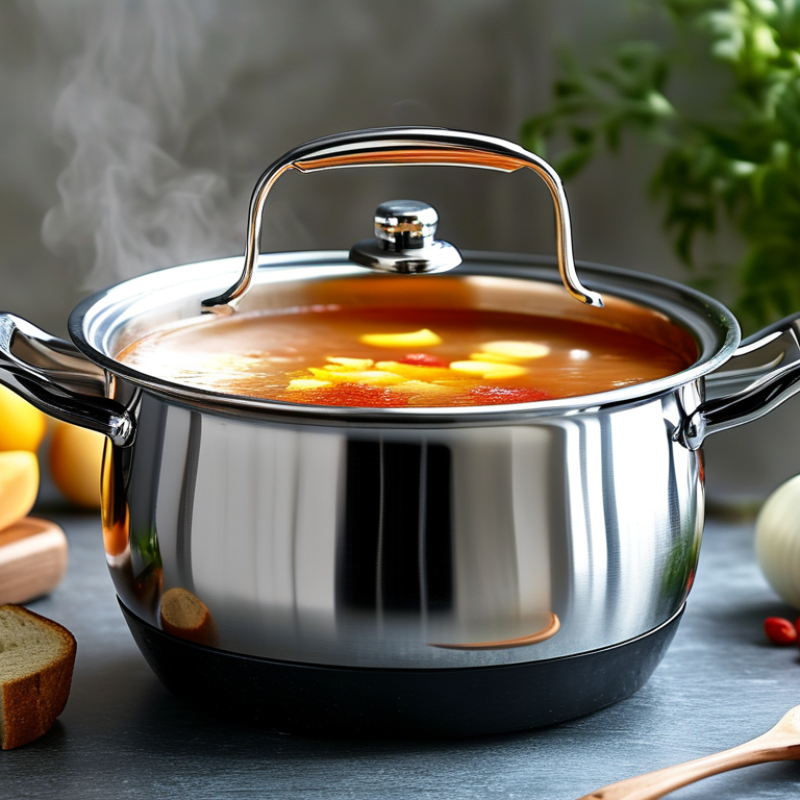
An electricity soup pot is a countertop cooker that turns electrical energy into controlled heat. Unlike a traditional stovetop, it usually combines a heating plate, inner vessel, thermostat, and safety sensors. The plate warms the vessel directly. A temperature sensor then adjusts power during boiling or simmering. Some models switch automatically to low heat, but this feature is not always precise.
Its main value is controlled, enclosed cooking. You can add water, vegetables, meat, and seasoning, then select a suitable heat level. A 1,200-watt pot uses about 1.2 kilowatt-hours during one hour of continuous heating. Actual use may be lower because the thermostat cycles on and off. The International Energy Agency’s World Energy Outlook 2023 identifies electric cooking as an important electrification pathway, especially where electricity is dependable. Power quality matters more than many buyers expect.
The World Health Organization reported in 2023 that about 2.3 billion people still cook with polluting fuels or technologies. Electric cooking can reduce indoor smoke when it replaces those methods. However, it is not automatically efficient. Poor insulation, a loose lid, or repeated reheating wastes energy. My practical concern is often overlooked: soup needs gentle simmering, not constant bubbling. Check temperature control, vessel capacity, dry-boil protection, and cord safety before choosing one. Celsius markings would also help. Many controls remain confusing.
Which Capacity and Pot Materials Best Fit Your Cooking Needs?
Choosing an electric soup pot starts with capacity, not appearance.
A 1.5–2 liter pot suits one person or a small meal. For two or three people, 3–4 liters usually offers better flexibility. Larger families may need 5 liters or more, but a large pot can heat slowly and occupy valuable counter space. My first choice was too large, and I wasted energy heating half-filled soups.
Pot material affects cooking control, cleaning, and durability.
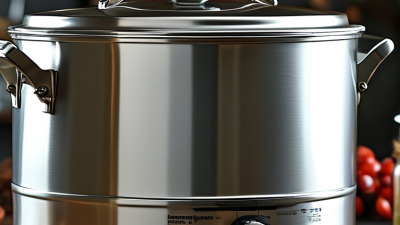
Stainless steel is sturdy, resists odors, and handles frequent use well. It may develop hot spots if the base is thin. A thick, multi-layer base distributes heat more evenly, especially when simmering milk-based soup. Ceramic-coated interiors feel smooth and help prevent sticking, but scratches can reduce their service life. Avoid abrasive scrubbers. They cause damage faster than expected.
Check the inner markings carefully.
A pot advertised as five liters may have a smaller practical cooking volume. Leave space for bubbling and stirring. This reduces spills and protects the heating area. For delicate soups, adjustable temperature settings matter more than maximum wattage. For bone broth or large vegetable pieces, steady heat and a wide opening are more useful. I still prefer removable, heat-resistant parts, although they can sometimes fit loosely after repeated washing. Inspect the lid seal, handles, and electrical cord before regular use. These small details often reveal build quality better than glossy finishes.
How to Choose Easy Cleaning, Durable Design, and Useful Accessories
2026 How to Choose an Electricity Soup Pot?
Easy cleaning should guide your choice, not only cooking capacity. I prefer a pot with a smooth inner surface and few hidden seams. A removable lid helps me wash trapped steam and soup residue. Check whether the inner pot can be lifted safely. Some models look convenient but have narrow corners that collect oil. A wide opening also makes stirring and hand washing easier. Dishwasher claims need careful checking because heat may damage seals or handles.
Durability depends on details you can touch. Choose a stable base, heat-resistant handles, and a thick inner pot that does not flex easily. Stainless steel can resist daily wear, but its quality and construction still matter. I once trusted a shiny finish and ignored a loose lid hinge. That was a mistake. Read the manual, inspect the power cord, and check the stated warranty. Local electrical safety certification is also worth verifying before purchase.
Useful accessories should solve real problems. A steamer basket can prepare vegetables above the soup. A ladle, measuring cup, and cleaning brush may save drawer space. Look for accessories with strong handles and smooth edges. Tiny parts are annoying. Detachable parts are easier to replace, but they can also disappear during washing. Think about your routine: batch cooking, small meals, or gentle simmering. Temperature control helps, though a complicated panel may become another cleaning concern. Trade-offs remain.
2026 How to Choose an Electricity Soup Pot?
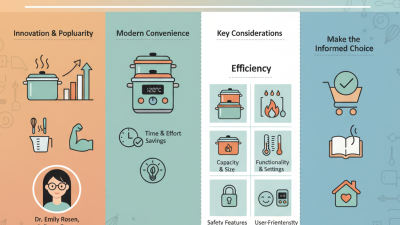
Use this practical 100-point selection model to compare easy cleaning, durable design, safety, capacity, and useful accessories without relying on brand data.
How to read the chart: Easy cleaning and durable construction receive the highest weights because they directly affect everyday maintenance and service life. Safety, capacity, and accessories complete the evaluation.