What Are the Top Electric Chafer Types?
Choosing the right Electric Chafer can shape how food looks, tastes, and stays safe during service. Hotels, caterers, restaurants, and event planners often compare more than appearance. They examine heat control, pan capacity, cleaning effort, power requirements, and table space. A polished chafer means little if mashed potatoes dry around the edges.
This guide explores the top electric chafer types used in modern food service. Standard water-bath models use heated water to surround the food pan with gentle, even warmth. They suit buffets, breakfast stations, and long receptions. Dry-heating models warm the pan directly and often reach serving temperature faster. However, they may require closer monitoring for delicate foods. Countertop electric chafers work well in compact venues, while larger commercial units support high-volume service. Some models also accept standard gastronorm pans, improving menu flexibility.
Practical experience matters here. A unit that performs well in a showroom may struggle beside an open doorway or crowded buffet line. Check cord length, outlet compatibility, thermostat accuracy, lid design, and the visibility of water levels. Small details matter. Food safety guidance and local electrical requirements should also shape the purchase. Always follow the manufacturer’s instructions, especially when handling hot water and heated surfaces.
There is no perfect type.
The best choice depends on service length, menu texture, guest volume, and staff habits. Even experienced operators can overlook recovery time after repeated lid openings. This comparison will clarify each Electric Chafer type, its strengths, limitations, and most suitable applications.
Electric Chafer Basics: Heating Methods and Main Components
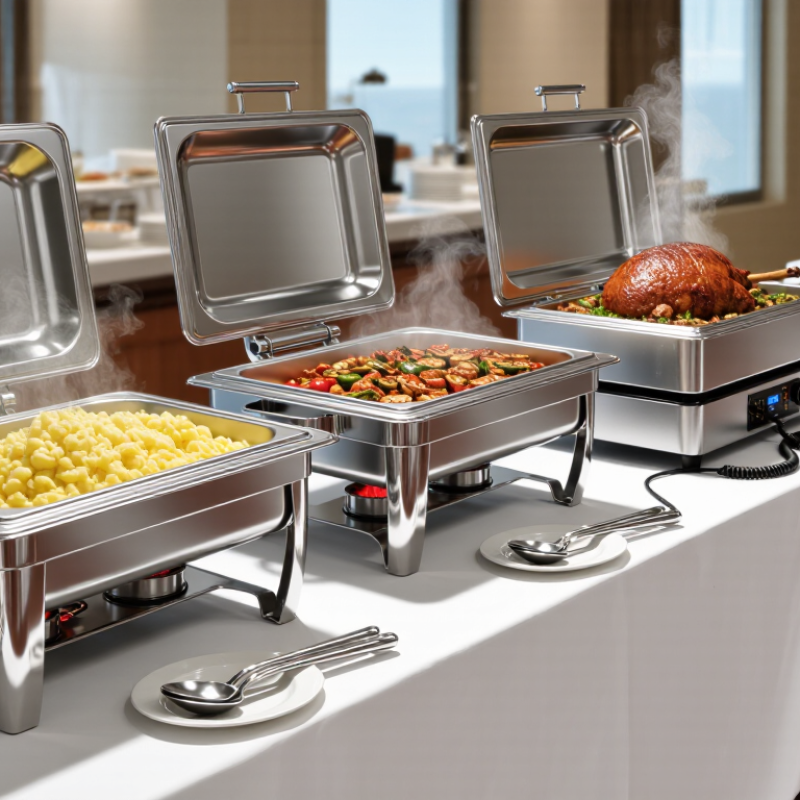
Electric chafers use either direct resistance heating or indirect water-bath heating. In direct-heating models, an electric element warms the food pan or its base. The response can be quick, but hot spots may develop if food sits untouched. Water-bath models place a heated well beneath a pan of water, which transfers warmth more gently. You can see the difference during service: direct heat may leave a warmer patch under thick sauce, while a water bath produces softer, steadier heat. Neither method replaces temperature checks.
The main components are the heating element, thermostat or control, food pan, housing, and—on water-bath units—the water well. Some models also include a lid and a removable drip tray. The FDA Food Code 2022 sets 135°F (57°C) as the minimum hot-holding temperature for most time/temperature-control foods. That figure is a food-safety benchmark, not a guarantee that every spot in a chafer is equally warm. Check food with a calibrated thermometer, especially after refilling or stirring. Small details matter. A thermostat may measure the well, not the food itself; I would not assume its dial tells the whole story.
Countertop Electric Chafers for Compact Serving Areas
Countertop electric chafers suit breakfast bars, tasting tables, and narrow buffet counters where floor space is scarce. Their footprint keeps service close to the work surface. Staff can refill a pan without steering a cart through a crowded aisle. The National Restaurant Association’s 2024 State of the Restaurant Industry projected U.S. restaurant sales of $1.1 trillion and employment of 15.7 million. That scale points to busy operations, but compact venues still need equipment that fits their actual counter depth.
Choose a model by pan capacity, heating control, and clearance—not appearance alone. A half-size pan may preserve room for plates, while a full-size pan can reduce refill trips during a rush. Check whether the unit uses direct heat or a water bath, and confirm the outlet and circuit can support its rated load. Keep cords away from wet areas. Small details matter. In practice, a control knob placed behind a hot pan can be awkward, and I would not assume every countertop can handle the same weight.
For safer service, use a separate food thermometer and follow local food-safety guidance; a dial setting does not prove the food has reached a safe holding temperature. Leave space around vents, keep the lid within easy reach, and test the setup during a quiet shift. One flaw in compact service is easy to miss: a chafer may fit neatly, yet leave no room for serving utensils. Check the whole station before ordering.
What Are the Top Electric Chafer Types?
Countertop electric chafers for compact serving areas are commonly configured around standard food-pan sizes. This comparison shows approximate capacity for common rectangular pan formats.
Capacities are approximate and based on common 2.5-inch-deep hotel pans. Actual usable volume varies with pan depth and fill level; check the chafer’s specifications before buying.
Full-Size Electric Chafers for Buffets and Catering
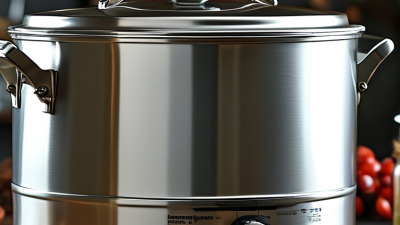
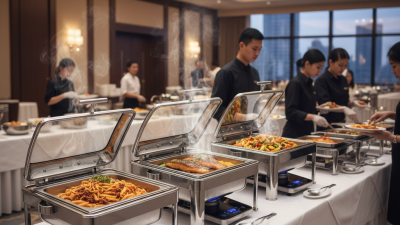
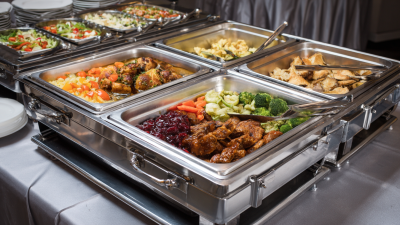
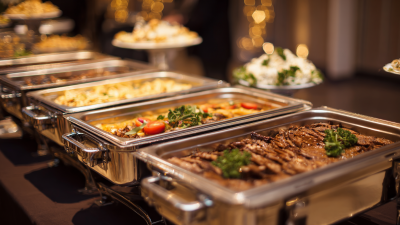
Full-size electric chafers are built for buffet lines, banquet rooms, and catered events where food needs steady warmth over several hours. Their larger pans can hold generous portions of entrées, vegetables, or sauces. A full pan of roasted potatoes, for example, is easier to serve from than several small dishes crowded together. That space matters.
Many models use a water bath between the heating element and food pan. The water helps distribute heat gently, reducing hot spots that can dry out food. Check the manufacturer’s instructions for water levels and temperature settings; designs differ. An electric chafer also needs a nearby, properly rated outlet and enough clearance for cords and lids. These details are easy to overlook during a busy setup.
For catering staff, capacity is only part of the decision. Consider how the unit will travel, where it will sit, and whether servers can open the lid without blocking guests. Stainless steel surfaces are common because they clean readily and suit frequent service, but the full unit can be heavy. I’d test the setup with filled pans before an event. It can reveal awkward reach or cable placement. Not every buffet has a perfect layout, and even a reliable chafer can feel cumbersome when tables are tight.
Electric Soup Chafers for Soups, Stews, and Sauces
Electric Soup Chafers for Soups, Stews, and Sauces
Electric soup chafers keep liquid dishes ready for service without an open flame. They suit buffet lines, catered events, and self-service stations. A deep, rounded well makes ladling easier and helps reduce splashes. Choose a capacity that matches the crowd: an oversized vessel can leave small batches sitting too long. That matters.
Temperature control is the main job. The FDA Food Code 2022 sets 135°F (57°C) as the minimum for hot holding. Use a clean, calibrated food thermometer to check the soup itself, not just the chafer’s display. Stir thick stews before taking a reading; heat can vary between the surface and the bottom. Keep the lid on between servings, but make sure staff can serve quickly. Even good equipment cannot fix poor monitoring.
Look for adjustable heat, stable controls, and a removable insert that is easy to clean. Test the unit with the actual recipe before service. Creamy sauces may scorch if the base runs too hot, while chunky soups need occasional stirring. An awkward detail: a full chafer can be heavy to move, so plan its position before filling it. Keep a temperature log during service, and replace utensils that fall onto the counter.
Specialty Electric Chafers for Different Foods and Serving Needs
What Are the Top Electric Chafer Types?
Specialty Electric Chafers for Different Foods and Serving Needs
Electric chafers should match the food, not just the table design. Water-bath chafers suit soups, curries, gravies, and delicate vegetables. They surround the pan with gentle heat and reduce scorching during long service. However, they need enough water and regular checks. A nearly empty water pan can overheat quickly. For baked dishes, roasted vegetables, and crisp toppings, dry-heat chafers often work better. They preserve surface texture more effectively, although uncovered food may lose moisture.
Induction chafers offer responsive temperature control and a clean serving area. They are useful for plated stations, smaller events, and foods needing frequent adjustment. Matching the pan material is essential. Pasta, rice, and stir-fried dishes may need wider pans for even heating. Fried foods remain difficult. Heat can keep them warm, but it cannot restore lost crispness. My experience suggests testing the exact food and portion before service. No setup is perfect. Holding quality can change within minutes.
Tips: Preheat each chafer before adding food. Use shallow pans for faster, more even heating. Keep lids closed between servings. Stir sauces gently, but avoid breaking soft foods. Record temperature checks during service. If a dish dries quickly, reduce the holding time instead of adding excess liquid. Small adjustments matter.