Top 10 Electricity Soup Pot Suppliers for Global Buyers
Choosing reliable cookware suppliers requires more than comparing prices on a product page. This guide examines the Top 10 Electricity Soup Pot Suppliers for Global Buyers through practical purchasing criteria. These include heating performance, material quality, safety controls, production capacity, certifications, and after-sales support. A dependable supplier should explain its testing process clearly. It should also provide detailed specifications, sample policies, and realistic delivery terms.
Small details matter. A sturdy stainless-steel body, stable handles, and a sealed control panel can influence daily use. Buyers should check whether the Electricity Soup Pot supports local voltage requirements. Plug types and power ratings may differ between markets. Factory audits, user feedback, and third-party documents can strengthen supplier evaluation. However, available information is not always complete. Some supplier claims may need independent verification. That is worth remembering.
No single company fits every buyer. A hotel may need large-volume production, while a retailer may value flexible packaging and lower minimum order quantities. Importers should also review warranty coverage, spare-part availability, and communication speed before signing an agreement. This article presents a focused comparison based on visible business information and practical sourcing experience. Conditions can change over time. Therefore, buyers should confirm current certifications, prices, lead times, and compliance requirements directly with each supplier. The ranking offers direction, not a final purchasing decision. Careful checking remains essential.
What Electric Soup Pots Are and How Global Buyers Use Them
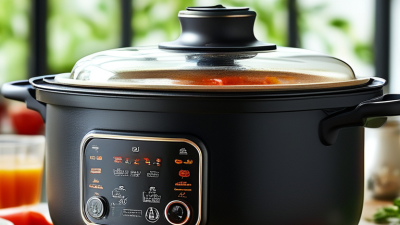
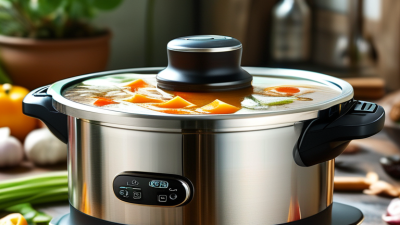
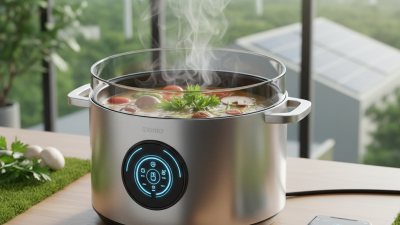
Electric soup pots are countertop appliances designed to heat, simmer, and serve soups, broths, stews, and hot drinks. Most include a heating base, adjustable temperature control, and a removable inner pot. Capacities commonly range from 1.5 to 6 liters. Some models have divided bowls for cooking two flavors at once.
Global buyers use them in homes, office kitchens, buffets, small restaurants, and catering events. A household may prepare congee overnight, while a buffet operator keeps broth warm during service. Buyers should check voltage, plug type, wattage, capacity, and food-contact materials before ordering. A 220–240V model may not suit a 100–120V market. That mistake is easy to make. It can also create unnecessary returns.
Tips: Ask suppliers for test reports, instruction manuals, temperature ranges, and sample units. Inspect the handle, lid seal, cord, and inner coating after repeated heating. Confirm whether cleaning requires hand washing. Check packaging strength with a drop test, especially for overseas shipping. Do not judge quality from appearance alone. A polished pot may still heat unevenly. Supplier communication matters too, but written specifications are more reliable than friendly promises.
Top 10 Electricity Soup Pot Suppliers for Global Buyers
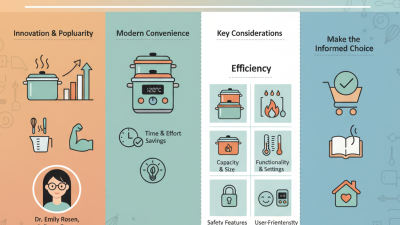
Electric soup pots are heated vessels for preparing or holding soup. Buyers typically choose capacity according to the number of servings and the setting.
How to read this chart: These are illustrative capacity-planning examples, not market statistics or specifications for particular products. Actual requirements vary with serving size, menu, and replenishment frequency; confirm usable capacity and electrical specifications with suppliers.
Key Criteria for Evaluating Electric Soup Pot Suppliers
Global buyers should assess an electric soup pot supplier through testable evidence, not a polished catalogue. Compare usable capacity, rated power, heating consistency, boil-dry protection, and handle temperature. Ask for recent test reports covering the exact model and voltage you plan to purchase. Small details matter.
The IEA’s Electricity 2025 report says global electricity demand grew 4.3% in 2024. That makes measured energy use and heating performance relevant sourcing checks, though advertised efficiency claims need independent verification. Request food-contact material declarations and traceability records, too. WHO estimates that contaminated food causes about 600 million illnesses annually worldwide; this broad estimate is not specific to soup pots, but it underlines the value of careful material controls.
Check production capacity, lead times, minimum order quantities, warranty terms, and access to replacement parts. Confirm that sample units match production specifications, including cord length, lid fit, and inner-pot finish. A shiny sample can hide uneven heating. Ask how defects are recorded and what corrective action follows; a vague answer deserves follow-up. Supplier documents are useful, but incomplete records still occur, so buyers should verify key claims before placing large orders.
Top 10 Electric Soup Pot Suppliers by Product and Market Strength
Electric soup pot suppliers vary more by product focus than by catalog size. Some specialize in compact household pots with simple temperature controls. Others build larger units for restaurants, hotel kitchens, and catering operations. For global buyers, the useful comparison is how well a supplier’s design matches daily use, not just its advertised capacity. Small details matter.
A supplier’s market strength can show in its export experience, production consistency, and ability to support replacement parts. Ask for specifications covering pot volume, heating method, inner-pot material, insulation, and control accuracy. Request sample testing when practical. A pot may look sturdy on a product sheet yet heat unevenly when filled with thick soup. Not always.
Factories with flexible production may suit private-label projects or changing order volumes, while established commercial-equipment suppliers may offer more standardized models. Regional distributors can simplify communication and servicing, though their product range may be narrower. Check how suppliers handle defects, packaging, and spare components before comparing prices. One weakness in this comparison is that a tidy ranking can overvalue market reach; actual batch quality still needs verification. A clear test record is more useful than broad claims.
Supplier Comparison: Features, Certifications, Pricing, and Capacity
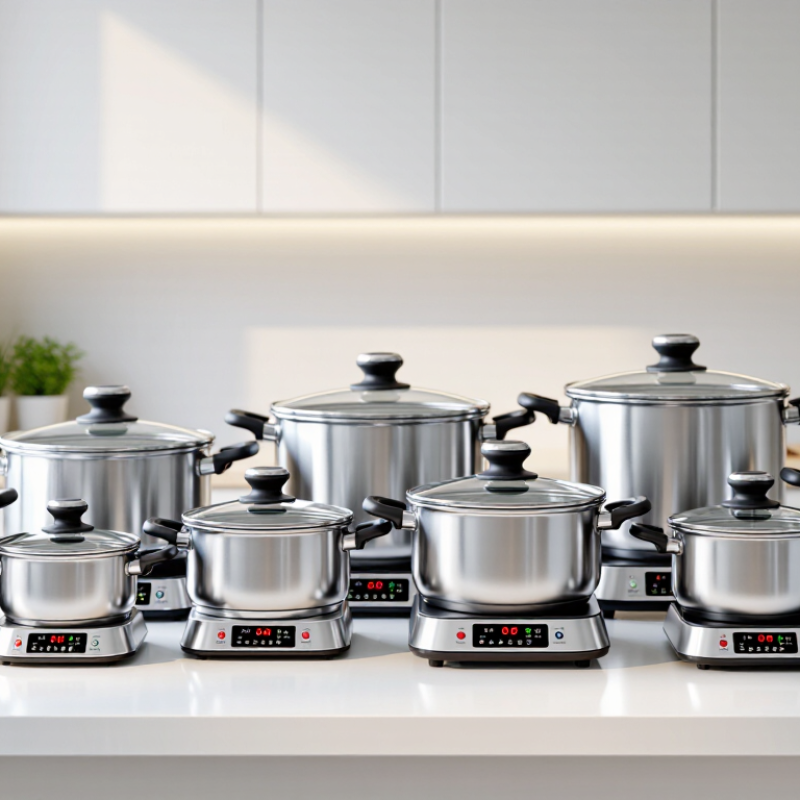
Comparing ten electricity soup pot suppliers requires more than checking catalog photos. Buyers should compare heating power, thermostat range, inner-pot material, lid fit, and controls. A loose lid can cause spills during service. Ask for sample units and inspect weld seams, cord strain relief, and temperature recovery after repeated serving. Small details matter.
Certifications depend on the destination market and product configuration. Request current test reports and confirm that model numbers match the quoted units. Pricing should include tooling, minimum order quantity, packaging, spare parts, and freight terms—not just the unit price. A low quote can look convincing. It may change after packaging or inspection costs appear. Capacity also needs context: a 6-liter pot may suit a café, while a larger kitchen needs several units or a higher-volume model. Ask suppliers for production lead times, monthly output, and evidence from recent orders. Some answers may be estimates, so verify them in writing. I would compare warranty coverage and replacement-part access too; these are easy to overlook when reviewing a spreadsheet.
How Global Buyers Can Verify and Select the Right Supplier
For global buyers, choosing an electricity soup pot supplier requires more than comparing unit prices. Confirm whether the supplier is a factory, a trading company, or both. Ask for recent production photos, a live video walkthrough, and a sample made with the same heating design. Check rated voltage, wattage, capacity, plug type, and temperature controls against your intended market and use. Request test reports for the exact model, along with clear warranty and spare-parts terms. Paperwork can be outdated. Where practical, verify report details with the issuing laboratory and check that model numbers match.
Tips: Test a sample with water, not just an empty pot. Note heating time, handle temperature, lid fit, and cleaning effort. Ask how defects are recorded and resolved. Keep dated records of approvals.
Compare total landed cost, packaging strength, lead time, and communication quality. A prompt reply helps, but it does not prove consistent production. Use a written checklist, then request a small pilot batch before placing a large order. Inspect units from different cartons, since one sample may not represent an entire run. Even careful checks can miss problems; no checklist removes every production risk. If answers remain vague, pause and ask specific questions. That may slow sourcing, but rushed assumptions can cost more later.