






010203
Sustainable Buffet Stoves Make Inroads into the Hotel Market
2025-07-16
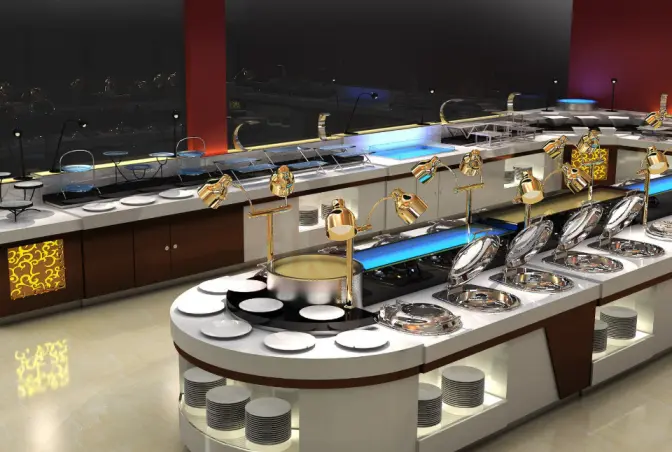
As global sustainability efforts gain momentum, eco-friendly Buffet Stoves are emerging as a key solution for hotels aiming to reduce their environmental footprint. These next-generation appliances integrate cutting-edge technologies to slash energy consumption by up to 55% compared to traditional models. For instance, the EcoHeat Pro Series from GreenCatering Solutions features a closed-loop heat recovery system that captures 82% of thermal energy from cooling compartments, redirecting it to pre-heat adjacent food wells. This innovation has helped the Grand Hyatt Berlin cut its buffet stove energy usage by 48%, translating to annual savings of €12,000 and a 35-ton reduction in CO₂ emissions.
Sustainable design principles extend to every component: outer casings are forged from 90% recycled stainless steel, while internal insulation uses plant-based aerogels derived from corn starch. Even the shipping crates are revolutionary—composed of mycelium (mushroom root) composites that decompose within 12 weeks. Dry-heating technologies, such as infrared quartz elements, eliminate the need for water-based heating systems, saving hotels like the Hilton Paris Opera 18,000 liters of water annually.
The business case is equally compelling. A 2024 survey by Hotel Sustainability Monitor found that 63% of millennial travelers prioritize eco-certified accommodations. By installing sustainable buffet stoves, the InterContinental London Park Lane saw a 19% increase in guest satisfaction scores related to environmental practices, while also qualifying for green building certifications that lower tax liabilities. "These stoves aren’t just about saving energy; they’re a brand differentiator," notes Emma Thompson, sustainability director at Accor Hotels. "Guests now expect luxury to align with sustainability, and these solutions deliver on both fronts."
Industry projections show the eco-friendly buffet stove market will grow at a 17% CAGR through 2030, driven by regulations like the EU’s Ecodesign Directive and consumer demand. With models now available at price points 25% lower than five years ago, even mid-market hotels are embracing the shift—proving that sustainability and profitability can go hand in hand.
