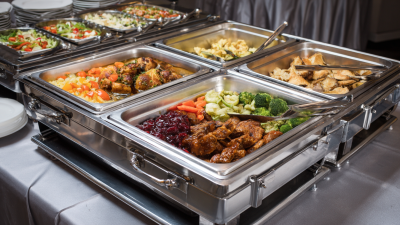
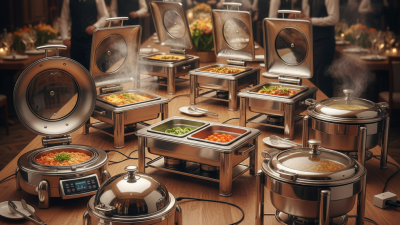
Why Choose Stainless Steel Chafers for Your Catering Needs?
When planning for a catering event, the details can make a significant impact. One essential item to consider is the Stainless Steel Chafer. This versatile piece of equipment serves dishes elegantly while keeping food at the right temperature. Choosing the right chafer can enhance the overall dining experience for guests.
Stainless Steel Chafers offer several advantages. They are durable and resistant to corrosion, ensuring a long lifespan. Their sleek design adds a professional touch to any buffet setup. Additionally, these chafers are easy to clean, which saves time after the event. Reliable service from these tools can make hosting events less stressful.
However, not all Stainless Steel Chafers are created equal. It's important to assess quality and functionality. Some may find cheaper options, but they might compromise on heating efficiency. Investing in high-quality chafers pays off in the long run. Customers should reflect on their specific needs and choose wisely to ensure satisfaction.
Benefits of Using Stainless Steel Chafers in Catering
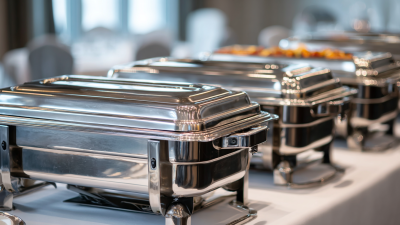
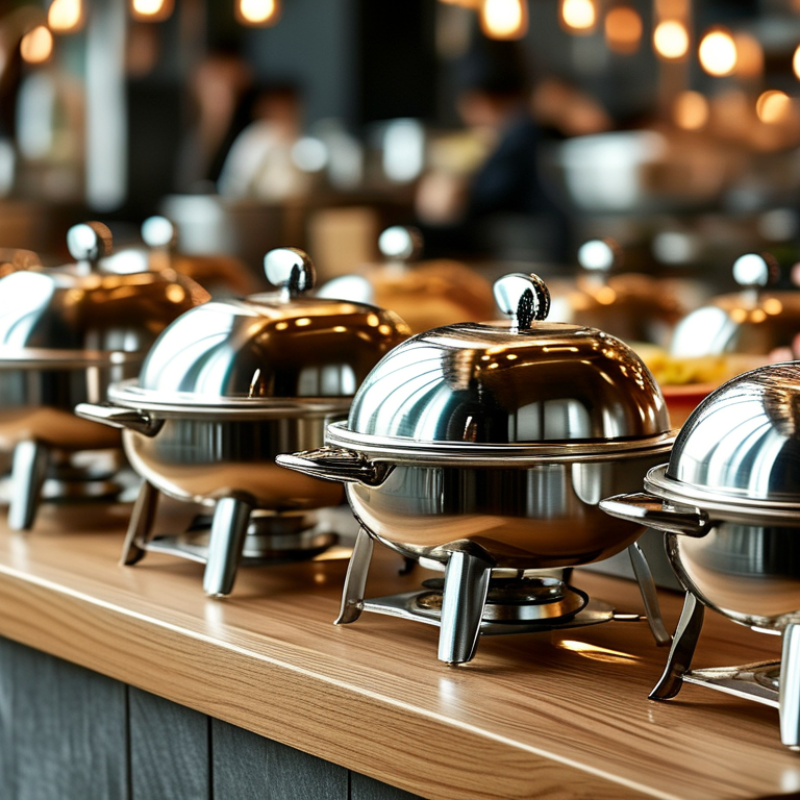
When it comes to catering, presentation and functionality are essential. Stainless steel chafers excel in both areas. Their sleek, polished appearance enhances any buffet or serving line. These chafers resist staining and maintain their shine, which means less maintenance for your staff.
Durability is a key aspect of stainless steel chafers. They withstand high temperatures and resist warp. This longevity makes them a reliable choice for caterers. While some may think of lighter materials for convenience, they often falter in quality and longevity. Stainless steel, though heavier, provides stability and ensures your meals stay hot throughout service.
Using stainless steel chafers can also reflect your commitment to quality. Guests notice these details, contributing to their overall dining experience. However, it’s important to evaluate costs. While they are generally a more expensive upfront investment, their durability might yield savings in the long run. Balancing initial costs against lasting value requires careful consideration.
Durability and Longevity of Stainless Steel Chafers
Stainless steel chafers have become a popular choice in the catering industry due to their remarkable durability and longevity. Unlike plastic or aluminum options, stainless steel resists rust, corrosion, and dents. This makes them ideal for both indoor and outdoor events. They can withstand the rigors of transport and frequent use, maintaining their polished appearance over time.
The ease of maintenance is another factor contributing to their appeal. Stainless steel can be quickly cleaned and sanitized, making them reliable for busy caterers. Additionally, they do not retain odors or flavors, ensuring that each service is fresh. However, it’s important to note that while they resist stains, they are not entirely scratch-proof. Care should be taken to avoid abrasive cleaning materials. This subtle flaw requires caterers to reflect on their cleaning processes.
Investing in stainless steel chafers means prioritizing quality and longevity. They stand up to a variety of conditions. Yet, not every stainless steel option is created equal. It’s essential to choose products with high-quality craftsmanship. This attention to detail can significantly impact performance and longevity.
Aesthetic Appeal: How Stainless Steel Enhances Presentation
Stainless steel chafers possess a unique charm that captivates event attendees. Their shiny surfaces reflect light, enhancing the overall aesthetic of any buffet. According to a survey conducted by Catering Insights, 78% of respondents stated that food presentation directly influences their perception of taste. This indicates the importance of attractive serving dishes.
When utilizing stainless steel chafers, caterers also benefit from functionality. These chafers retain heat longer than plastic alternatives, maximizing food warmth. A report from the National Restaurant Association highlights that 85% of diners prefer freshly served dishes. The visual appeal combined with high function creates a powerful synergy.
However, some caterers may overlook the occasional blemish or dent that can happen with stainless steel. It’s vital to maintain the chafers’ appearance regularly. Regular cleaning and polishing can mitigate the effects of wear. Event planners should prioritize investing in quality pieces, even acknowledging that not all chafers are created equal. Visual impact matters, and reflecting on the small details can make a substantial difference in catering success.
Ease of Cleaning and Maintenance for Catering Equipment
Stainless steel chafers are a popular choice for catering. One of their greatest benefits is how easy they are to clean and maintain. After a busy event, you’ll appreciate how simple it is to wipe them down. Food residues usually come off with minimal effort, allowing quick turnarounds between uses.
Tips: Use warm, soapy water for stubborn stains. For shiny surfaces, a microfiber cloth works wonders. Avoid using abrasive scrubbers, as they can scratch your chafer.
Another aspect to consider is how durable these chafers are. They resist tarnishing, corrosion, and rust. While they require some upkeep to maintain that shine, it’s relatively straightforward. Regular cleaning prevents build-up, and you might find that a weekly deep clean keeps everything looking new.
Tips: Store chafers in a dry place to avoid moisture issues. Examine them periodically for signs of damage, especially if they are often used outdoors. This proactive approach can save time and costs later.
Reasons to Choose Stainless Steel Chafers for Catering
Cost-Effectiveness of Stainless Steel Chafers Over Time
When considering catering supplies, stainless steel chafers stand out due to their cost-effectiveness over time. Initial investment might be higher than plastic or disposable options. However, stainless steel offers durability and longevity that far outweighs short-term savings. A report by the Foodservice Equipment Reports indicated that stainless steel items can last up to 20 years with proper care. This durability translates into fewer replacements and lower overall annual costs for catering businesses.
Maintenance costs are an important factor to consider. Stainless steel is resistant to tarnishing, staining, and rusting, allowing for easy cleaning. This means less time spent on upkeep and more focus on service quality. Additionally, research shows that quality stainless steel chafers save around 25% on replacement costs in a five-year period compared to cheaper alternatives. Investing in stainless steel may mean higher upfront costs, but the reduced long-term expenses can positively impact your bottom line.
Choosing stainless steel chafers is a decision rooted in practicality and long-term strategy. Their resistance to heat and corrosion enhances food safety, adding value beyond mere aesthetics. Some may find the initial cost daunting, but the overall savings justify the choice. It’s essential to reflect on how lower-quality options may frequently need replacing, ultimately affecting both finances and service efficiency.