The Ultimate Guide to Choosing the Right Food Tongs for Every Cooking Occasion
When it comes to cooking, having the right tools can make all the difference, and one such essential tool in the kitchen is food tongs. Whether you're flipping burgers on the grill, tossing salads, or plating delicate pastries, food tongs play a crucial role in ensuring safety and precision in your culinary endeavors. However, with the vast array of options available today, choosing the right food tongs for each occasion can be overwhelming. This guide aims to simplify that process by providing insights into the various types of food tongs, their specific uses, and what to consider when selecting the ideal pair for your cooking needs. From materials and length to design and functionality, we will explore the key factors that will help you make an informed decision, ensuring you have the perfect food tongs for every situation in your kitchen.
Essential Features to Look for in High-Quality Food Tongs
When selecting high-quality food tongs, several essential features should be prioritized to ensure you choose the right tool for your kitchen needs.
First, the material of the tongs plays a crucial role. Stainless steel tongs are durable and resistant to rust, making them ideal for grilling and frying.
Silicone-tipped tongs, on the other hand, are perfect for non-stick cookware, as they won’t scratch the surfaces and can withstand higher temperatures without melting.
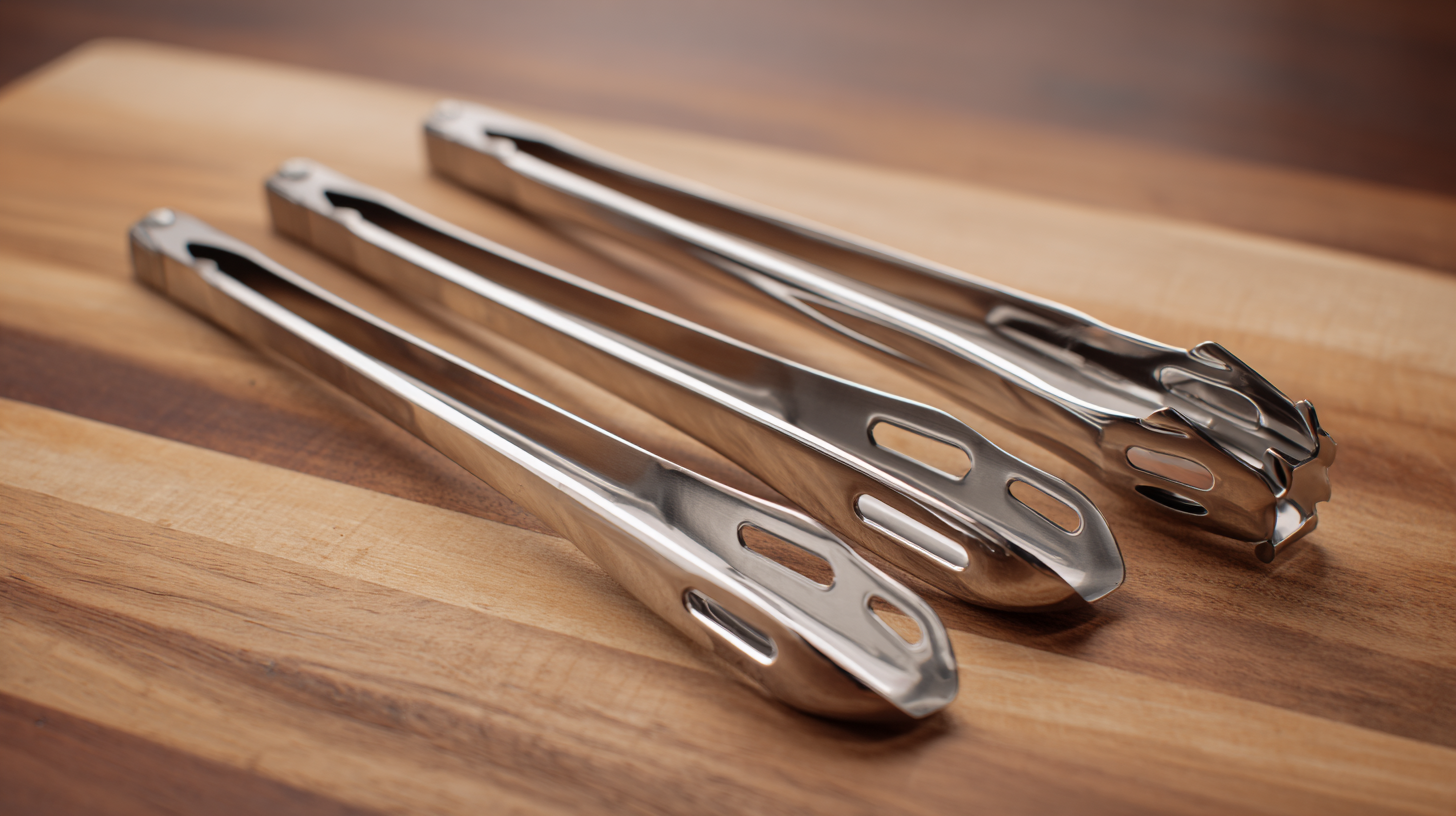
Another important feature to consider is the design and functionality of the tongs. Look for models with a comfortable grip and an ergonomic design to reduce hand fatigue during prolonged use.
A locking mechanism is also beneficial, allowing for easy storage and preventing accidental drops.
Additionally, tongs with a good length provide safety from hot surfaces, and those with a flexible head can easily pick up a variety of food items, from delicate vegetables to heavier cuts of meat.
Choosing the right combination of these features will enhance your cooking experience and make food handling safer and more efficient.
Determining the Right Length of Tongs for Various Cooking Tasks
When choosing the right food tongs for various cooking tasks, the length of the tongs plays a crucial role. Short tongs, typically ranging from 7 to 9 inches, are ideal for handling small items such as flipping eggs or serving delicate appetizers. Their compact size offers more control, allowing for precise movements and the ability to maneuver in tight spaces. This makes them a favorite for intricate cooking tasks that require careful handling without the risk of dropping or breaking food.
On the other hand, long tongs, usually between 12 to 16 inches, are essential for grilling or deep-frying. The extended reach not only keeps your hands safe from heat but also allows you to handle larger pieces of meat or turn food on a grill with ease. When using long tongs, ensure they have a secure grip to prevent slippage, which can be crucial when dealing with heavier or greasy items. By understanding the significance of tong length in relation to the cooking tasks at hand, you can ensure that you always have the right tool for every culinary occasion.
The Ultimate Guide to Choosing the Right Food Tongs for Every Cooking Occasion
This chart illustrates the recommended lengths of food tongs for various cooking tasks. It will help you determine the right size of tongs needed for different applications in the kitchen.
Material Matters: Choosing Between Silicone, Metal, and Plastic Tongs
When it comes to selecting the right food tongs, the choice of material is crucial. According to a report by the North American Kitchenware Association, 45% of consumers prioritize material quality over design, indicating the significant role it plays in functionality and durability. Silicone tongs are favored for their heat resistance, typically withstanding temperatures up to 500°F. This makes them ideal for grilling and sautéing, as they won’t warp or melt when handling hot food. Additionally, silicone tongs are non-stick safe, ensuring that they won't damage cookware surfaces, which is essential in today’s kitchen environment.
On the other hand, metal tongs, made from stainless steel, offer superior strength and durability. They can withstand higher temperatures and are often preferred for heavy-duty cooking tasks, such as flipping steaks or removing food from hot pots. According to culinary experts, 60% of professional chefs opt for stainless steel tongs due to their longevity and reliability. However, they can be harsh on non-stick cookware, so it’s essential for the home cook to consider their cookware type. Plastic tongs, while often more affordable, tend to have lower heat resistance and a shorter lifespan, which could lead to greater costs in the long run. Thus, understanding the advantages and limitations of each material is vital for making an informed decision that enhances your culinary experience.
Tips for Maintaining and Cleaning Your Food Tongs for Longevity
When it comes to kitchen tools, food tongs are indispensable for maneuvering hot items, tossing salads, and serving dishes. However, to ensure their longevity, proper maintenance and cleaning are essential. Start by choosing tongs made from high-quality materials, such as stainless steel or silicone, which are not only durable but also easier to clean.
One of the key maintenance tips is to wash your tongs after every use. If they have come into contact with raw meat, it’s crucial to sanitize them to prevent cross-contamination. Using warm soapy water is effective, but for a deeper clean, you can occasionally run them through the dishwasher. Make sure to check the manufacturer's instructions regarding dishwasher safety.
Another tip for prolonging the life of your food tongs is to avoid using them on abrasive surfaces that could scratch or damage them. Instead, opt for wooden or silicone utensils when handling delicate cookware. Additionally, store your tongs in a drawer or utensil holder to keep them protected from dust and debris. Following these simple yet effective tips will ensure your food tongs remain in great condition for all your cooking occasions.
Cooking Occasions That Demand Specific Types of Food Tongs
When it comes to cooking, the right tools can make all the difference, and food tongs are no exception. Different cooking occasions call for specific types of tongs to ensure safety, efficiency, and ease of use. For instance, when grilling outdoors, silicone-tipped tongs are ideal as they can withstand high temperatures while preventing damage to non-stick surfaces. Their long reach keeps your hands safely away from the flames, allowing for precise maneuvering of meats and vegetables.
In contrast, for tasks involving delicate foods, such as plating salads or handling fragile pastries, a set of stainless steel tongs with a fine grip is preferable. These tongs offer excellent control and minimize the risk of crushing the food while still providing enough strength for lifting. Similarly, for frying or sautéing, a pair of heat-resistant tongs is essential to safely flip and serve items like chicken or vegetables without the worry of burns. Each cooking occasion presents unique challenges, and having the right tongs tailored to the task can elevate your culinary experience.
The Ultimate Guide to Choosing the Right Food Tongs for Every Cooking Occasion
| Cooking Occasion |
Recommended Type of Tongs |
Material |
Length |
Key Features |
| Grilling |
Long-handled Tongs |
Stainless Steel |
16 inches |
Heat-resistant, Non-slip grip |
| Serving Salads |
Silicone Tongs |
Silicone |
10 inches |
Gentle on Cookware, Easy to Clean |
| Flipping Pancakes |
Egg Flipper Tongs |
Bamboo |
12 inches |
Lightweight, Eco-friendly |
| Barbecuing |
Locking Tongs |
Stainless Steel |
14 inches |
Easy Storage, Durable |
| Pasta Serving |
Pasta Tongs |
Plastic |
11 inches |
Flexible, Lightweight |