The Ultimate Guide to Choosing the Best Thermal Soup Pot for Your Kitchen
Choosing the right kitchen tools can be overwhelming. One essential item that often gets overlooked is the Thermal Soup Pot. This versatile pot offers not just convenience but also efficiency. It keeps your soups hot for hours, making meal preparation easier.
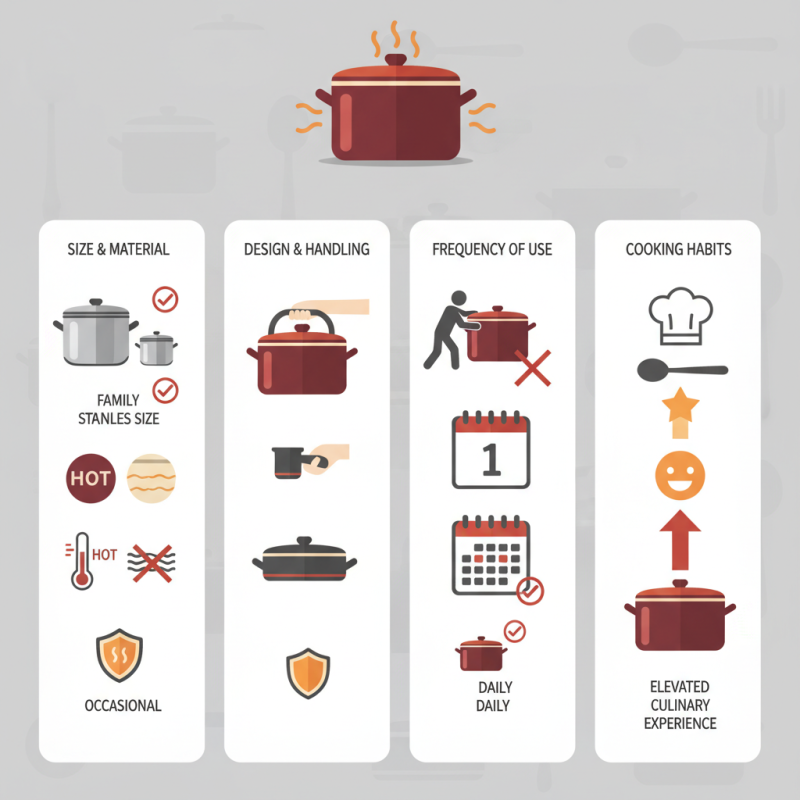
When selecting a Thermal Soup Pot, consider size and material. Some pots are too small for family meals. Others may not retain heat well, leading to lukewarm soups. Pay attention to the design as well. A pot that's too heavy can be cumbersome to handle. On the other hand, a lightweight option may not be durable.
Think about how often you make soups. Some buy a pot for occasional use. Yet, others might yearn for a reliable tool they can depend on daily. Reflecting on your cooking habits helps in finding the perfect pot. The right choice can elevate your culinary experience, making cooking more enjoyable.
Factors to Consider When Choosing a Thermal Soup Pot for Your Kitchen
When choosing a thermal soup pot for your kitchen, consider its size. A larger pot holds more soup, perfect for family gatherings. However, smaller pots are easier to store. Think about your cooking habits. Do you often make big batches, or do you prefer cooking in smaller quantities?
Next, evaluate the insulation quality. A pot with good insulation keeps soup hot for hours. Check the material as well. Stainless steel is durable and easy to clean, while ceramic can add a touch of elegance. The weight of the pot matters too; heavier pots often provide better heat retention.
Lastly, don't overlook the lid. A snug lid prevents heat from escaping. Some lids create a vacuum seal, enhancing heat retention. Test the lid's fit before making a decision. It’s essential to reflect on your needs and preferences. This process may help you find the pot that truly suits your cooking style.
Material Types: Stainless Steel, Ceramic, and Their Thermal Efficiency
When choosing a thermal soup pot, material plays a critical role.
Stainless steel is a popular choice. It’s durable and resists rust. However, it can lose heat quickly compared to other materials.
In contrast, ceramic pots retain heat well. They help keep your soup warm longer. But they can be quite fragile, making them less ideal for active kitchens.
Tip: Always check the thickness of the pot walls. Thicker walls enhance thermal efficiency. This means your soup will stay hot without constant reheating.
Both materials have their pros and cons. Stainless steel pots can be easier to clean but might not offer the same heat retention. Ceramic pots can be heavier, posing a challenge when serving hot soups. Think about how you'll use the pot. Will it sit on the stove or go to the table? The choice matters.
Tip: Consider insulation features. Some pots come with double-walled designs. This helps improve heat retention. It’s a great option for those who love serving soups for hours.
Capacity Needs: Selecting the Right Size for Your Cooking Habits
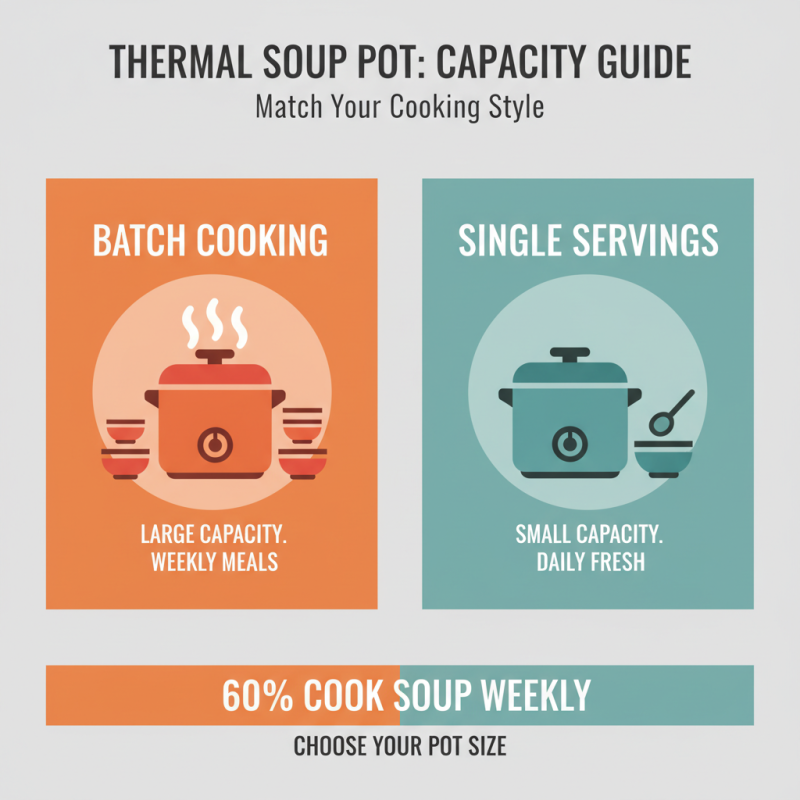
When selecting a thermal soup pot, understanding your capacity needs is vital. Cooking habits vary widely. Some enjoy batch cooking, while others prefer preparing single servings. According to industry reports, over 60% of home cooks prepare soups weekly. This statistic suggests that having the right pot size can significantly impact your cooking experience.
For families, a pot with a minimum capacity of 6 quarts is often ideal. This size allows for plenty of leftovers, which can save time on busy days. Single individuals or couples might find 3 to 4 quarts sufficient. However, it's crucial to assess your meal planning habits. If you often entertain guests, opting for a larger capacity can be wise.
**Tip:** Always consider meal prep frequency. If you cook in larger quantities each week, invest in a pot with room to spare. Don't forget to check where you plan to store it. A larger pot may require more space. Size can be a double-edged sword; too big can lead to unwanted clutter, while too small can limit your cooking options. Balancing these factors is essential for a functional kitchen.
Insulation Technology: Understanding How It Affects Heat Retention
When selecting a thermal soup pot, insulation technology plays a crucial role in heat retention. High-quality thermal pots often feature double-walled construction. This design helps trap heat effectively, resulting in better temperature maintenance. According to a report by the Food and Beverage Association, thermal efficiency can vary by as much as 30% between different materials used.
Materials like stainless steel and copper showcase excellent heat conduction. However, insulation must be considered too. A pot with poor insulation may lose heat rapidly, affecting cooking times. Studies indicate that pots with advanced vacuum insulation can keep liquids hot for up to eight hours. This is significant for slow-cooked soups or stews.
It's essential to evaluate your specific needs. While a premium thermal pot can offer long-lasting heat retention, cheaper alternatives may not perform as expected. Many consumers find that budget options underperform after repeated use. Consider this: if a pot's insulation fails quickly, its value diminishes rapidly. Investing wisely can lead to better cooking experiences and satisfaction.
The Ultimate Guide to Choosing the Best Thermal Soup Pot for Your Kitchen - Insulation Technology: Understanding How It Affects Heat Retention
| Pot Size (L) |
Insulation Type |
Heat Retention (hrs) |
Weight (kg) |
Material |
Price (USD) |
| 2.0 |
Double Wall Vacuum |
6 |
1.5 |
Stainless Steel |
45 |
| 3.5 |
Insulated Foam |
8 |
2.3 |
Aluminum |
55 |
| 1.5 |
Single Wall |
4 |
1.0 |
Plastic |
30 |
| 4.0 |
Enhanced Insulation |
10 |
3.0 |
Cast Iron |
85 |
Maintenance and Care: Tips for Ensuring Longevity of Your Soup Pot
When it comes to maintaining your thermal soup pot, proper care is essential for longevity. Studies indicate that a well-maintained pot can last up to 10 years longer than a neglected one. Regular cleaning helps prevent stains and odors, which can spoil your cooking experience. Choosing the right cleaning materials is crucial. Avoid abrasive scrubbing pads that can scratch the surface.
Here are some tips for keeping your soup pot in top condition. After each use, wash it with warm soapy water and a soft sponge. Rinse thoroughly to remove all soap residues. For stubborn stains, try a paste of baking soda and water. Apply gently, as harsh chemicals may damage the pot's insulating layers. Also, allow your pot to dry completely before storing it, which prevents moisture buildup.
Another common oversight is using high heat. Thermal soup pots are designed to retain heat, so medium heat is usually sufficient for cooking. Use this method: simmer soups gently. This extends the life of your pot and enhances flavors. Remember that not all thermal soup pots are made equal; some may show wear faster than others. Be aware of this when choosing your cooking equipment. Embrace the small imperfections; they often teach us how to care better.
The Ultimate Guide to Choosing the Best Thermal Soup Pot