The Ultimate Guide to Choosing the Best Food Tongs for Every Cooking Need
When it comes to equipping a kitchen for optimal performance, food tongs are essential utensils that often go unnoticed yet play a critical role in cooking. According to a report published by the American Culinary Federation, over 70% of professional chefs consider food tongs a must-have tool for ensuring food safety and presenting dishes with finesse. Whether flipping, serving, or tossing ingredients, the right pair of tongs can significantly enhance the cooking experience, promoting efficiency and reducing the risk of cross-contamination.
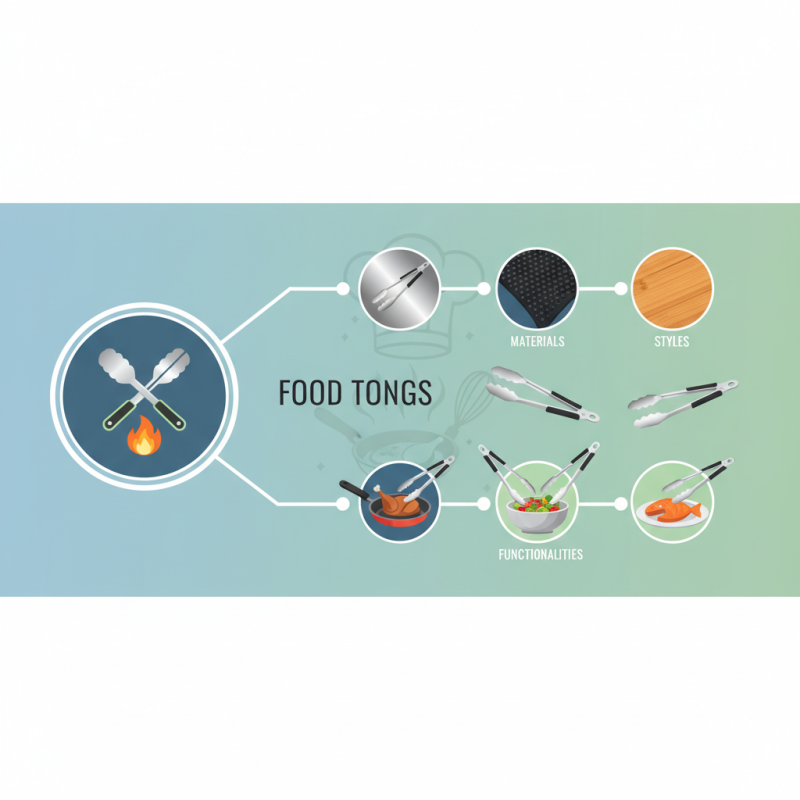
The versatility of food tongs makes them suitable for a wide array of culinary tasks, and the global kitchen utensil market is projected to reach USD 20 billion by 2025, driven largely by trends in home cooking and gourmet food preparation. As more people embrace cooking as a hobby, understanding the features that distinguish high-quality food tongs can empower both professional chefs and home cooks to make informed decisions. This guide aims to break down the essential factors to consider when selecting the ideal food tongs, ensuring that every cooking need is met with precision and care. By exploring materials, styles, and functionalities, readers can discover the perfect tongs to complement their culinary toolkit.
Understanding the Different Types of Food Tongs Available
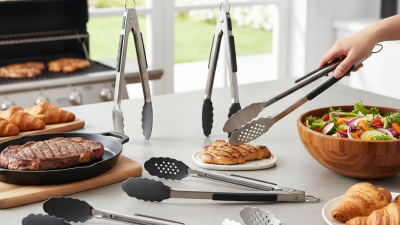
When it comes to selecting the right food tongs, understanding the different types available is crucial for enhancing your culinary experience. Food tongs come in various designs, each catering to specific cooking needs. For instance, stainless steel tongs are ideal for grilling due to their durability and heat resistance, while silicone-tipped tongs are perfect for non-stick cookware, preventing scratches while providing a firm grip on food. According to a recent industry report, the global kitchen utensil market is projected to grow at a CAGR of 4.5% through 2025, indicating a rising interest in quality kitchen tools like food tongs.
Tip: When purchasing food tongs, consider the length. Longer tongs provide a better reach for hot items, especially when barbecuing, while shorter tongs allow for better control when flipping delicate foods like fish. Additionally, look for tongs with locking mechanisms; they are easier to store and help maintain the integrity of their design, ensuring longevity.
Another type to consider is the serving tongs, which are often broader and designed for lifting larger portions of food. They typically feature a more substantial grip to support heavier items, such as roasted vegetables or pasta. A thorough understanding of the material is important too; nylon tongs are heat-resistant and safe for non-stick surfaces, making them versatile for various cooking tasks.
Tip: Always opt for tongs that are dishwasher safe to simplify your cleaning process. Investing in a pair that combines ease of use with effective performance can significantly elevate your cooking experience and efficiency.
Key Features to Consider When Selecting Food Tongs
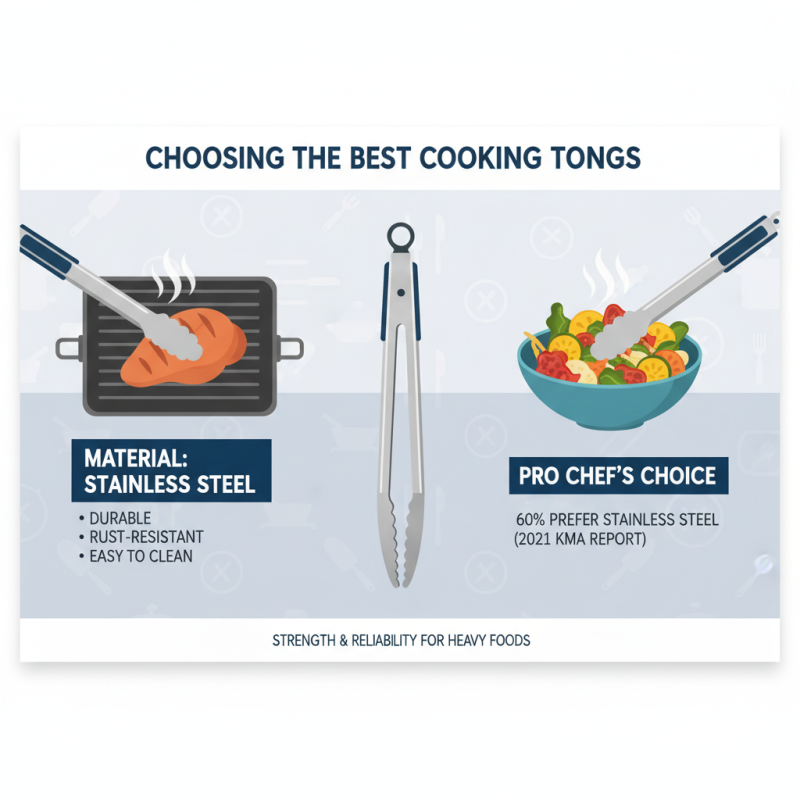
When choosing the best food tongs for cooking, several key features should be prioritized to ensure functionality and safety. First on the list is material; stainless steel is often recommended due to its durability, resistance to rust, and ease of cleaning. According to a 2021 report by the Kitchenware Manufacturers Association, over 60% of professional chefs prefer stainless steel tongs, citing their strength and reliability when flipping heavy cuts of meat or stirring large portions of vegetables.
Another critical feature is the design of the tongs' grip. Tongs with silicone or rubber tips provide a non-slip surface, ensuring a secure hold on food items. A study by the Food Safety Inspection Service found that improper handling tools can lead to increased food contamination risks, with 27% of foodborne illness cases linked to inadequate kitchen tools. Therefore, selecting tongs with heat-resistant tips can also safeguard against burns while maintaining a firm grasp on hot items, making them essential for both home cooks and culinary professionals alike.
Lastly, the locking mechanism of the tongs should not be overlooked. A reliable lock ensures compact storage and can prevent accidental openings during cooking, which is a common issue highlighted in user reviews. A survey conducted by Culinary Equipment Research indicates that 75% of surveyed chefs value the ease of use that a good locking system provides, making it a critical consideration in the selection process. Investing in tongs that combine these features can greatly enhance cooking efficiency and safety in any culinary setting.
Material Comparisons: Stainless Steel, Silicone, and Other Options
When it comes to food tongs, the material you choose can significantly impact your cooking experience.
Stainless steel is one of the most popular options due to its durability and resistance to rust and corrosion. These tongs offer a great grip and can handle high-heat cooking tasks, making them ideal for grilling and frying. However, they can scratch non-stick cookware, so it’s essential to handle them carefully if you are using coated pans.
Silicone tongs, on the other hand, provide a flexible and heat-resistant option. They won't damage your cookware, making them perfect for tossing salads or serving delicate foods. Silicone is also easier to clean and often dishwasher-safe. However, keep in mind that the longevity of silicone tongs can be affected by very high temperatures, so it’s essential to check the temperature tolerance before using them in high-heat scenarios.
Tips: When choosing your food tongs, consider the types of dishes you prepare most frequently. For grilling, stainless steel tongs with a locking mechanism can provide a secure grip. If you often cook with non-stick pans, opt for silicone tongs to prevent any scratches. Additionally, look for tongs that are long enough to keep your hands away from heat but easy to maneuver for precise control.
Choosing Tongs for Specific Cooking Tasks and Techniques
When selecting food tongs for specific cooking tasks, it’s essential to understand the unique requirements of various techniques. For instance, when grilling meats, tongs with a sturdy grip are ideal. Look for tongs that feature a long length to keep your hands safely away from the heat while offering excellent maneuverability to flip and serve. The material should be heat-resistant, preventing melting or warping, and a locking mechanism can enhance convenience during storage.
In the realm of precise tasks like tossing salads or serving pasta, lighter, more delicate tongs are better suited. These tongs should provide a gentler touch to avoid bruising fresh ingredients while still being robust enough to handle heavier dishes. Tongs with silicone tips are an excellent choice for non-stick cookware, as they prevent scratches while ensuring good grip. Additionally, consider the size of the tongs in relation to your serving dishes; a smaller size can be more efficient for detailed work, while larger ones are necessary for lifting substantial portions. By identifying the specific cooking tasks at hand, you can choose the perfect tongs that cater to each culinary need effectively.
Maintenance Tips for Keeping Your Food Tongs in Top Condition
To keep your food tongs in top condition, regular maintenance is essential. One of the first steps in this process is to clean them thoroughly after each use. Most food tongs are made of materials that can easily handle a hot water rinse; however, if you’ve used them for greasy or sticky foods, a mild dish soap will help break down any residue. A soft sponge or cloth is ideal to avoid scratching surfaces, especially if your tongs have a non-stick coating. After washing, ensure to rinse them well to eliminate any soap remnants and allow them to air dry.
Storage also plays a crucial role in maintaining food tongs. Avoid placing them in overcrowded drawers where they could get tangled or damaged. Instead, consider hanging them or storing them in a designated container that keeps them separate from other utensils. This not only prolongs their life but also makes them easily accessible when needed. If your tongs have silicone tips or other special features, check regularly for wear and replace them if necessary to prevent any parts from breaking off during cooking. Regular checks will help you maintain their functionality and ensure safe food handling.