Inquiry
Form loading...

What Are the Top Types of Thermal Soup Pots?

Choosing the right Thermal Soup Pot is no longer only about capacity or appearance. Buyers now compare heat retention, energy use, food safety, cleaning effort, and everyday practicality. These details matter when soup stays warm beside a busy family table or inside a commercial kitchen.

Industry research supports this wider view. Allied Market Research valued the global cookware market at approximately USD 19.9 billion in 2021 and projected strong growth through 2031. Grand View Research also identifies material innovation, convenience, and changing household habits as important cookware market drivers. These reports do not measure every Thermal Soup Pot directly. However, they show why insulation, durability, and user comfort deserve closer attention.

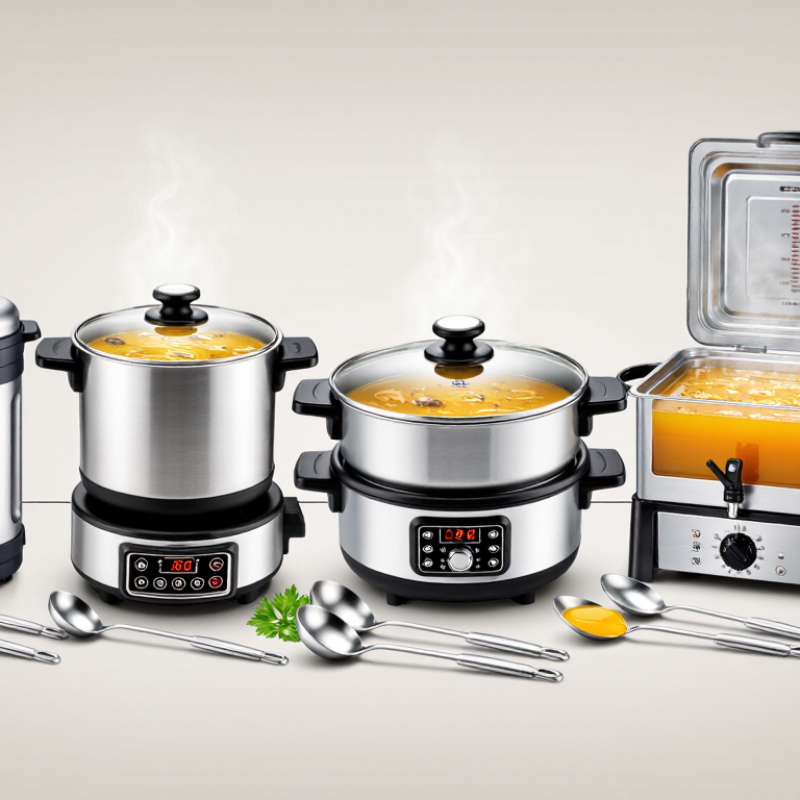
This article examines the leading types, including vacuum-insulated pots, electric thermal cookers, stovetop double-wall models, and commercial soup warmers. Each design handles heat differently. A vacuum model may preserve warmth without electricity, while an electric unit offers controlled heating but requires a nearby power source. Commercial warmers often provide stable serving temperatures, yet they can be heavier and harder to clean.

Food safety must remain central. The U.S. Department of Agriculture recommends keeping hot foods at or above 140°F (60°C). A pot that feels warm may not maintain a safe temperature evenly. That is an easy mistake.

Real experience also reveals compromises. Some lids seal well but trap odors. Some stainless-steel interiors resist stains but show water marks. No single pot wins every kitchen. The best choice depends on cooking habits, serving time, capacity, and maintenance discipline.

What Are the Top Types of Thermal Soup Pots?

What Is a Thermal Soup Pot and How Does It Work?

What Are the Top Types of Thermal Soup Pots?

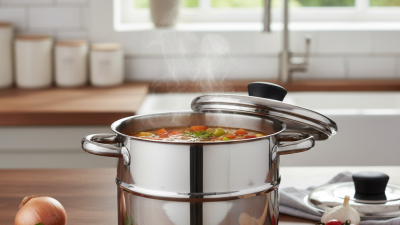
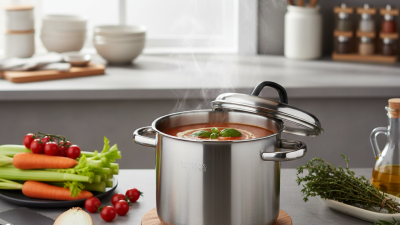
A thermal soup pot is a cooking vessel designed to retain heat after the heat source is removed. It usually has an inner stainless-steel pot and an insulated outer container. The inner pot heats ingredients directly. The outer shell slows heat loss.

Here is the simple principle. Bring the soup to a strong boil on a stovetop. Place the covered inner pot inside the insulated shell. Stored heat continues cooking the ingredients gradually. The insulation reduces heat transfer through conduction, convection, and radiation. No plug is needed for this basic design. Some models include electric heating, temperature controls, or slow-cooking settings. Others focus only on vacuum insulation and portability.

The main types include vacuum thermal pots, electric thermal soup makers, and insulated slow-cooking pots. Vacuum models suit broths, beans, and stews that need steady residual heat. Electric versions offer more control, but they use power and require careful cleaning around electrical parts. Slow-cooking pots can soften tougher ingredients over several hours.

In my experience, preheating the inner pot improves heat retention noticeably. Cutting vegetables evenly also produces more consistent texture. Still, thermal cooking is not magic. It may leave potatoes firm or meat uneven if the initial boil is too brief. Keep the lid closed. Check that the food remains safely hot, and refrigerate leftovers promptly. A thermal pot saves energy, but it does not replace safe cooking judgment.

What Are the Top Types of Thermal Soup Pots? – What Is a Thermal Soup Pot and How Does It Work?

Thermal Soup Pot Type How It Works Typical Capacity Typical Heat-Retention Period Best Uses Main Advantages Important Limitations
Vacuum-Insulated Thermal Soup Pot A double-wall container removes most air from the space between the walls, reducing heat transfer by conduction and convection. The reflective inner surfaces also reduce radiant heat loss. 1.5–5 liters Approximately 6–12 hours, depending on the starting temperature, fill level, lid seal, and ambient conditions. Home cooking, meal preparation, travel, and keeping soup warm for several hours. Excellent insulation, no electricity required during holding, and relatively low external temperature. It does not actively cook food and generally should be preheated before use for the best retention.
Thermal Cooking Pot with Inner and Outer Vessels Food is briefly heated in an inner pot, which is then placed inside an insulated outer container. Residual heat continues the cooking process while the pot is closed. 3–8 liters Approximately 4–8 hours of useful heat retention under normal household conditions. Soups, stews, beans, grains, and slow-cooked dishes. Can reduce continuous heating time and energy consumption while allowing food to finish cooking gradually. The food must usually be brought to a boil or a safe cooking temperature before insulation.
Electric Thermal Soup Pot An electric heating element warms the cooking vessel directly. A thermostat or control system maintains a selected temperature or cooking program. 2–6 liters Active warming can continue for as long as the appliance is connected to a suitable power supply. Everyday soup cooking, reheating, simmering, and controlled warming. Provides adjustable heat, consistent temperature control, and convenient cooking indoors. Requires electricity, may consume more energy during long holding periods, and is less portable than passive designs.
Insulated Stainless-Steel Soup Pot One or more stainless-steel walls provide structural strength, while an air gap or insulation layer slows heat transfer. Some models also use vacuum insulation. 2–10 liters Approximately 4–12 hours, depending on whether the design uses foam, air-gap, or vacuum insulation. Family meals, catering, buffets, outdoor events, and food transport. Durable, corrosion-resistant, easy to clean, and generally suitable for frequent use. Performance varies significantly by wall construction, lid quality, and insulation thickness.
Ceramic or Stoneware Thermal Soup Pot The dense ceramic material absorbs heat and releases it slowly. Heat retention comes mainly from thermal mass rather than a vacuum. 1–4 liters Approximately 2–5 hours, depending on the material thickness and whether the pot is covered. Table service, slow cooking, baked soups, and serving meals directly from the cooking vessel. Even heat distribution, attractive presentation, and good resistance to food odors. Heavier and more fragile than metal pots; sudden temperature changes can cause thermal shock.
Thermal Soup Pot with Removable Inner Pot A removable inner vessel holds the soup and can be heated separately, while the outer shell provides insulation during serving or transport. 2–6 liters Approximately 4–10 hours, depending on the insulation design and lid fit. Meal transport, office lunches, family serving, and convenient cleaning. Simplifies washing, supports separate heating, and reduces direct contact between the outer shell and food. Extra components can increase weight, storage requirements, and cleaning time.
Portable Thermal Soup Container A compact, sealed, double-wall container limits heat exchange with the surrounding air and is designed for individual portions. 0.3–1.2 liters Approximately 4–10 hours, depending on the insulation and whether the container is completely filled. Work, school, commuting, hiking, and single-serving meals. Lightweight, easy to carry, spill-resistant, and convenient for portion control. Small capacity and narrow openings may make filling and cleaning more difficult.
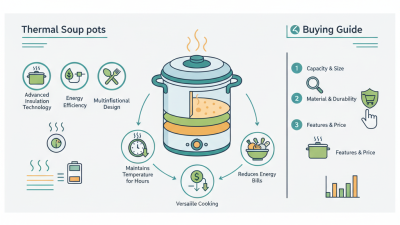
How a Thermal Soup Pot Works: A thermal soup pot slows heat loss by using insulation, a sealed lid, and sometimes vacuum technology. It stores heat from previously heated food rather than creating heat on its own, except for electric models that use a heating element. Heat retention depends on the starting temperature, amount of food, pot material, insulation quality, lid seal, and surrounding temperature.

What Are the Main Types of Thermal Soup Pots?

Thermal soup pots mainly fall into three types: vacuum-insulated cookers, electric thermal pots, and insulated food jars. Each uses a different method to retain heat. Choosing the right type depends on cooking time, serving size, and available power.

A vacuum-insulated cooker has an inner pot and a heat-retaining outer container. You bring the soup to a boil, then place the inner pot inside the insulated shell. The trapped heat continues softening vegetables, beans, and meat without constant heating. It works well for family portions and outdoor use. The shell should feel sturdy, while the lid needs a firm, reliable seal. I once underestimated how slowly dense soup cools, so checking the temperature before serving remains sensible.

Electric thermal pots use a heating base and temperature controls. They can simmer soup, maintain warmth, or prepare broth for several hours. Some models include stainless steel interiors, removable lids, and adjustable settings. These features improve convenience, but electronic controls may fail if moisture enters the base. Keep the heating surface dry. Always follow the manufacturer’s temperature and cleaning instructions.

Insulated food jars are the smallest option. They suit one serving of soup, porridge, or stew. Fill the jar with hot contents after preheating it with boiling water. The narrow opening helps retain warmth but makes scrubbing more difficult. This type is portable and simple, although it cannot cook raw ingredients safely. It only preserves heat from food that has already been thoroughly cooked.

What Are the Top Types of Thermal Soup Pots?

Vacuum-insulated stainless-steel pots generally provide the longest passive heat retention. Electric thermal cookers can maintain serving temperatures with active heating, while insulated soup jars and non-electric thermal cookers are portable options for shorter holding periods. Actual performance depends on capacity, fill level, starting temperature, lid design, and ambient conditions.

How Do Different Thermal Soup Pots Compare?

Thermal soup pots differ mainly in how they hold heat, manage cooking, and support daily use. Vacuum-insulated stainless steel pots trap heat between double walls. They need an initial boil, then retain warmth without electricity. This design works well for stews, porridge, and broths prepared before work. The outer surface usually stays comfortable to touch, but cooking stops gradually as the temperature falls.

Electric thermal pots provide more control. Their heating bases can maintain a selected temperature, simmer soup, or delay cooking. They suit households that need predictable timing and frequent reheating. However, they use power and may have more parts to clean.

A slow-cooking thermal pot offers gentle, steady heat and tender results. It is useful for beans and tougher vegetables, though it may cook more slowly than expected. Clay or ceramic-lined pots hold heat pleasantly and can soften flavors. They are attractive for serving, but they are heavier and more fragile. Sudden temperature changes may damage the inner material.

In practical testing, capacity matters as much as insulation. A full pot usually stays hot longer than a half-filled one. Wide openings make stirring easier, while narrow lids reduce heat loss. My own comparison would not treat maximum heat retention as the only measure. A pot that stays hot for hours can still disappoint if the lid leaks or cleaning takes too long. Check food-safe materials, stable handles, and clear temperature instructions before choosing.

What Materials and Features Define Each Type?

What Are the Top Types of Thermal Soup Pots?

Vacuum-insulated Stainless Steel Pots

Vacuum-insulated stainless steel pots are popular for keeping soup hot without electricity. Their double-wall structure slows heat loss through trapped vacuum space. Food-grade stainless steel resists odors, stains, and daily impacts. A wide opening makes stirring and cleaning easier. Look for a tight silicone-sealed lid and a stable handle. I once underestimated lid design; even strong insulation failed when steam escaped around the rim.

Ceramic Thermal Pots

Ceramic thermal pots hold heat steadily and suit slow cooking over low temperatures. Their thick inner walls distribute warmth gently, which helps soften beans, root vegetables, and meat. Ceramic also avoids metallic taste, though it can chip or crack after sudden temperature changes. These pots are heavier than steel models. That weight feels reassuring on a table, but inconvenient when carrying a full pot.

Electric Thermal Soup Pots

Electric thermal soup pots use an inner metal or ceramic container, heating elements, and temperature controls. Some include simmer, warming, and delayed-cooking settings. A thermostat helps maintain consistent heat, while a removable inner pot simplifies washing. However, preset programs are not always precise for every recipe. I check the actual soup temperature instead of trusting the display alone. Features such as overheat protection, insulated handles, a clear lid, and a keep-warm limit can improve practical safety and reduce accidental overcooking.

How Should You Choose the Right Thermal Soup Pot?

Choosing a thermal soup pot starts with heat retention, not appearance. Consider your serving time, portion size, and cleaning routine.

Vacuum-insulated pots suit offices, catering, and outdoor meals without electricity. Choose thick stainless steel, a tight lid, and a wide opening for easy stirring.

The U.S. Department of Agriculture advises keeping hot food at 140°F (60°C) or above. A pot that feels warm may still be unsafe. Use a probe thermometer.

Electric thermal soup pots work better for long service periods. Look for adjustable temperature control, overheat protection, and an insulated handle.

The 2022 FDA Food Code specifies 135°F (57°C) as the minimum hot-holding temperature for many prepared foods. Follow your local requirements. Heating capacity matters too. A small pot may recover slowly after repeated serving.

Stovetop thermal cookers can reduce active cooking time through retained heat. They need compatible cookware and careful preheating. Check the manufacturer’s measured retention time, not vague claims. Independent testing is preferable.

The International Organization for Standardization reports that ISO 22000-based food safety systems emphasize temperature control and documented monitoring. That detail is often overlooked.

Think about soup texture. Cream soups can scorch near the base, while broths tolerate stronger heating.

Choose a removable inner pot for cleaning. I would avoid buying the largest model automatically; unused capacity can reduce practicality and increase washing. A visible thermometer helps, although it may drift. Verify it occasionally with an ice-water test.