2025 Top Thermal Soup Pot Features Benefits and Buying Guide
In recent years, the kitchen appliance market has witnessed a significant shift towards innovative cooking solutions that cater to modern culinary needs. Among these, the Thermal Soup Pot has emerged as a game-changer, offering an energy-efficient and convenient way to prepare and serve soups and stews. According to industry reports, the global market for thermal kitchen appliances is projected to reach approximately $5 billion by 2025, driven by an increasing consumer demand for healthy cooking options and multifunctional kitchen tools.
Thermal Soup Pots utilize advanced insulation technology to maintain temperatures for extended periods, ensuring that meals stay hot without electricity. This feature not only enhances the cooking process but also contributes to energy savings, aligning with the growing trend towards sustainable living. Research suggests that consumers are increasingly prioritizing multifunctional appliances, with over 70% of households indicating a willingness to invest in products that combine practicality with efficiency. As we delve into the top features, benefits, and buying guide for 2025's Thermal Soup Pots, it is essential to consider how these devices can revolutionize home cooking while catering to the demands of a busy lifestyle.
2025 Thermal Soup Pot Market Overview: Trends and Innovations
The thermal soup pot market is witnessing significant transformations as consumer preferences evolve towards
energy-efficient and multifunctional cooking solutions. According to a recent market research
report by Grand View Research, the global market for thermal cookware is expected to reach USD 12.2 billion by 2025,
growing at a CAGR of 6.3% from 2020. This growth is fueled by an increasing demand for
sustainable kitchen appliances that streamline meal preparation while maintaining flavor and nutritional value. An emphasis
on healthy eating habits has seen more consumers opting for products that enable easy preparation of homemade soups and stews, allowing for better portion control
and ingredient transparency.
Innovation in thermal soup pot design is also contributing to market shift. Manufacturers are focusing on incorporating advanced heat retention technologies,
such as vacuum insulation and stainless steel lining, which help maintain optimal food temperature for extended periods. Data from Technavio indicates that
40% of households prioritize energy-efficient appliances, which not only save energy costs but also enhance cooking performances,
thereby appealing to environmentally conscious consumers. Additionally, smart technology integration, including temperature control and cooking timers, is emerging
as a key trend, allowing users to experience convenience and precision in their cooking endeavors. This intersection of
functionality, sustainability, and innovation is shaping the future of thermal soup pots, catering to the modern consumer's lifestyle.
Key Features of Top Thermal Soup Pots: Insulation and Material Insights
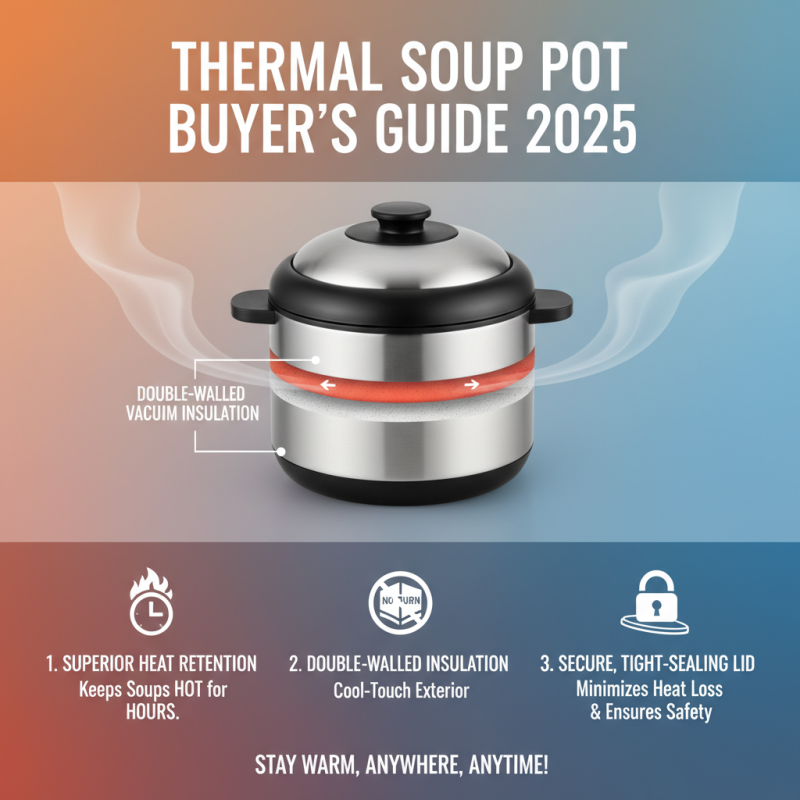
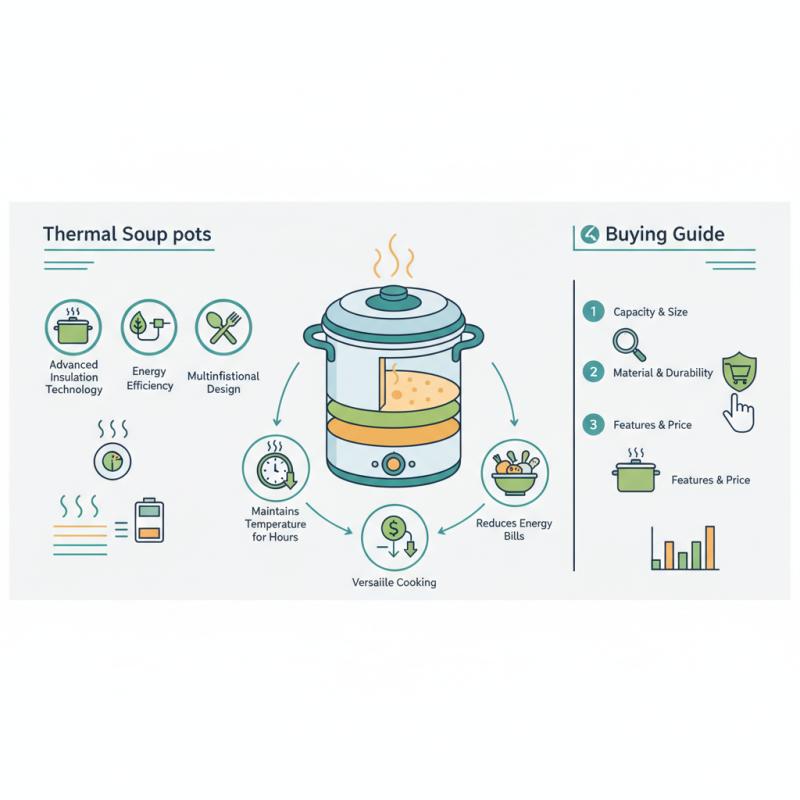
When selecting a thermal soup pot, the insulation and material are critical factors that significantly influence performance and user satisfaction. High-quality insulation is essential for retaining heat, allowing the soup to remain warm for extended periods without additional energy consumption. Look for pots that feature double-walled construction, which not only enhances thermal retention but also prevents the exterior from becoming too hot to touch. This is particularly important for safety, especially in family settings where children might be present.
Material choice also plays a vital role in the effectiveness and durability of thermal soup pots. Stainless steel is commonly preferred due to its excellent heat retention properties and resistance to rust and corrosion. Additionally, it is non-reactive, ensuring that the flavor of your soups is preserved without any metallic aftertaste. Some pots may also incorporate insulated glass or high-grade plastics, which can provide lightweight alternatives while still maintaining good thermal performance. Understanding these material characteristics can help consumers make informed choices that suit their specific cooking and serving needs.
Benefits of Using Thermal Soup Pots for Health and Nutrition Preservation
Using thermal soup pots is a beneficial choice for those who prioritize health and nutrition preservation. According to a recent report from the Food Packaging Institute, the thermal insulation provided by these pots helps maintain food temperature for extended periods, effectively reducing the risk of bacterial growth that can occur when food is left at unsafe temperatures. This is especially crucial for soups, which can quickly cool down and become breeding grounds for harmful microorganisms. By keeping soups hot for longer, thermal pots not only enhance food safety but also allow the retention of essential nutrients that can be lost during cooking and cooling.
In addition to health benefits, thermal soup pots offer convenience and maintain the flavors of dishes longer. A study from the National Institute of Health indicates that prolonged exposure to heat can help in transferring flavors, leading to richer taste experiences. Cooking soup slowly in a thermal pot means that the ingredients have more time to meld together, creating a more enjoyable dining experience.
Tips for selecting the right thermal soup pot include choosing one with a stainless steel interior, as it is non-reactive and helps preserve the taste of the soup while ensuring durability. Additionally, look for double-walled construction, which can significantly enhance heat retention. Lastly, consider the pot's capacity based on your cooking needs, whether for a family meal or meal prep for the week.
Buying Guide: Factors to Consider When Choosing a Thermal Soup Pot
When choosing a thermal soup pot, several key factors should be taken into consideration to ensure you select the right one for your needs. Firstly, capacity is essential; thermal soup pots come in various sizes, and it's vital to select one that suits the portion sizes you typically prepare. A larger pot is ideal for families or gatherings, while a smaller one might suffice for single servings or couples. Assess your cooking habits—if you frequently make large batches, opt for a pot with a greater capacity.
Another important factor is insulation quality. A good thermal soup pot should maintain the temperature of your soup for extended periods, whether hot or cold. Look for pots designed with double-walled vacuum insulation, which effectively reduces heat transfer. Additionally, consider the material of the pot. Stainless steel is durable and resistant to corrosion, while plastic pots tend to be lighter and more portable but may not provide the same heat retention. Lastly, features such as easy-to-read measurement markings, pour spouts, and comfortable handles can enhance usability and convenience, making your soup preparation as seamless as possible.
Top Brands and Models in the 2025 Thermal Soup Pot Market: A Comparison
When looking for the perfect thermal soup pot in 2025, understanding the key features and benefits is essential for making an informed decision. A top-quality thermal soup pot should retain heat effectively, ensuring that your soups stay warm for hours. Look for pots with double-walled vacuum insulation, as this technology enhances thermal retention while preventing the outer surface from becoming hot to the touch. Additionally, a pot with a sturdy lid is vital to minimizing heat loss and enhancing safety during use.
With a variety of brands and models available in the market, it's important to compare their specific features and prices. Consider factors such as capacity, weight, and ease of cleaning. Some models come with additional features like built-in timers or removable heating elements, which can add convenience to your cooking experience. Ensure you read customer reviews to get a sense of the pots’ reliability and performance in everyday cooking scenarios.
**Tips:** Before making your purchase, think about your cooking habits. If you frequently prepare large batches of soup, prioritize larger capacities while keeping in mind your storage space. Also, consider whether you want a pot with a non-stick interior, which can make cleaning easier. Lastly, look for models with ergonomic handles for safe and comfortable handling, especially when transferring hot soup.