Top Thermal Soup Pot Features You Should Know About?
When it comes to cooking, the right tools can make all the difference. A Thermal Soup Pot stands out among kitchen cookware. Understanding its features can elevate your culinary experience. These pots are designed to retain heat. They keep your soups hot for longer periods. Imagine serving a warm meal hours after cooking.
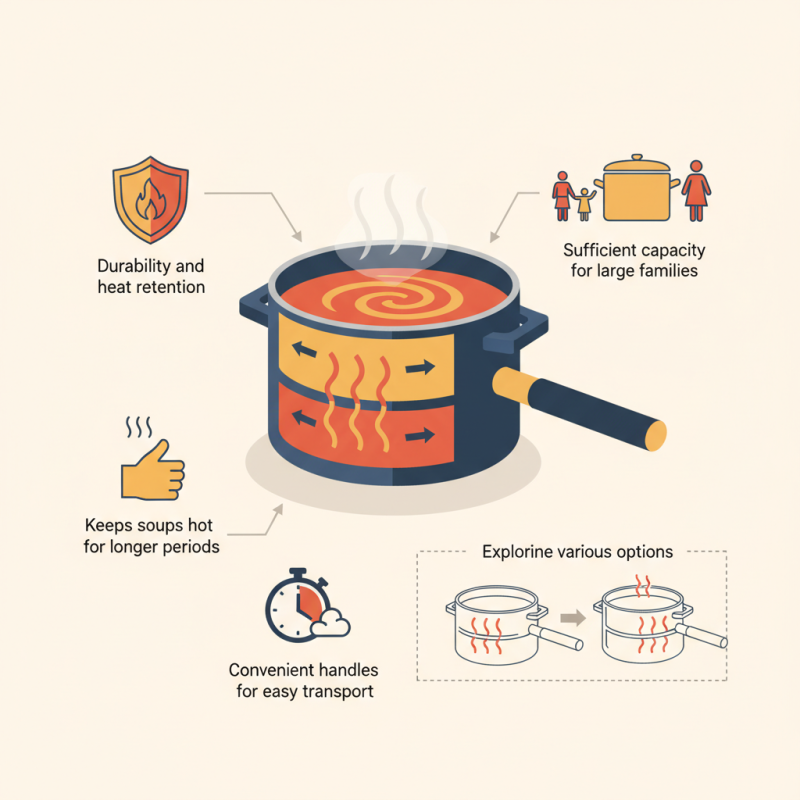
The ideal Thermal Soup Pot has several important features. Insulation technology is a key aspect. It prevents heat loss and maintains flavor. A durable exterior is also crucial. This ensures longevity and resistance to wear. Some models even offer convenient handles for easy transport.
However, not all Thermal Soup Pots are created equal. Some may not maintain temperature as expected. Others may lack sufficient capacity for large families. Exploring various options and user reviews can help. This insight allows you to choose the best one for your needs. Always consider how a Thermal Soup Pot fits your lifestyle. Your cooking journey could greatly benefit from the right investment.
Key Insulation Materials Used in Thermal Soup Pots
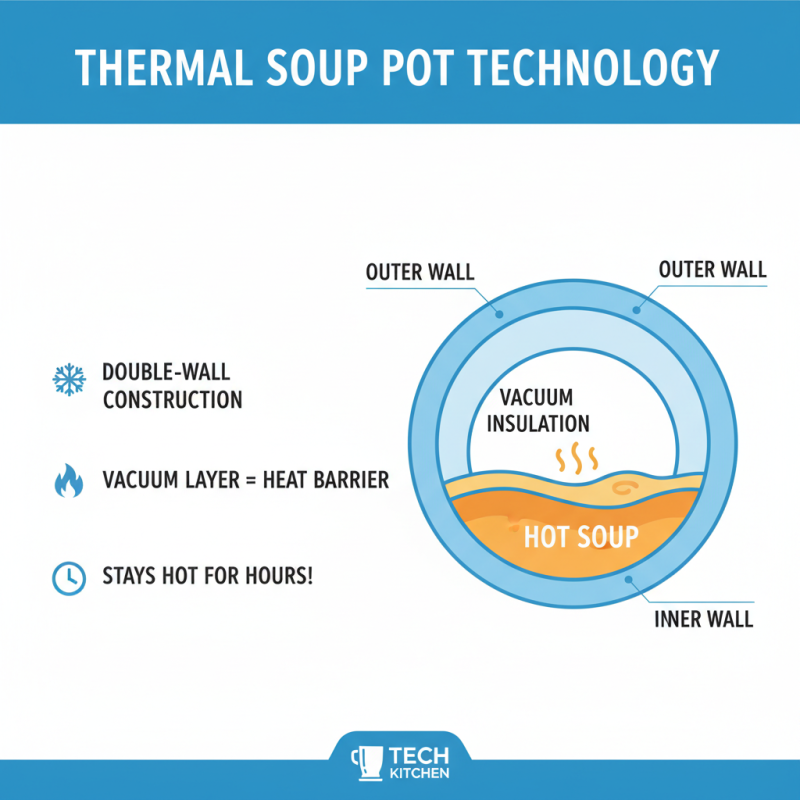
When choosing a thermal soup pot, insulation materials play a crucial role. These materials ensure your soup stays hot for hours. Most pots use double-wall construction with a layer of vacuum between the walls. This vacuum acts as a barrier to heat transfer. It prevents the warmth from escaping.
Another common insulation material is foam. Foam fillings provide an extra layer of thermal protection. While they're effective, they can be less durable over time. Some pots incorporate stainless steel layers for added strength. However, the combination of materials often impacts the weight of the pot.
Beyond functionality, the aesthetic appeal matters too. Many users seek pots with a sleek design. The design can influence how well the pot retains heat. However, a beautiful pot may not always perform the best. It’s important to find balance. Weight and design often clash, making it a challenge to pick the perfect pot.
Thermal Efficiency Ratings: What You Need to Know
When considering thermal soup pots, thermal efficiency ratings are crucial. These ratings indicate how well a pot retains heat. A higher rating means better insulation. Studies show that a well-insulated pot can keep soup hot for hours. Some pots retain heat up to five times longer than less efficient models.
However, not all thermal efficiency ratings are created equal. Some products may exaggerate their performance. Transparency in testing methods varies tremendously within the industry. The American Society for Testing and Materials (ASTM) sets standards, but not everyone follows them strictly.
Moreover, pot design plays a role. The shape and materials impact heat retention. Some pots are bulky but retain heat poorly. Others may be sleek yet fail in performance. In many cases, consumers overlook these details. A careful inspection of product specifications is vital. Even with good ratings, factors like lid design can affect efficiency. Always consider the bigger picture when choosing a thermal soup pot.
Top Thermal Soup Pot Features You Should Know About
| Feature |
Description |
Thermal Efficiency Rating |
Capacity (Liters) |
Material |
| Insulation |
Double-walled for improved heat retention |
A+++ (Highest Efficiency) |
3.0 |
Stainless Steel |
| Thermal Core |
Aluminum core for quick heating |
A++ |
2.5 |
Aluminum |
| Lid Design |
Tight-sealing lid to keep heat in |
A+ |
4.0 |
Glass |
| Easy Cleaning |
Non-stick interior surface |
A++ |
3.5 |
Ceramic |
| Safety Features |
Cool-touch handles and lids |
A+ |
2.0 |
Plastic |
Understanding the Importance of Lid Design in Heat Retention
When it comes to thermal soup pots, the lid design plays a crucial role in heat retention. A well-fitted lid can reduce heat loss by almost 50%. This is important, especially for soups that require long cooking times. Losing heat means more energy and time spent cooking. Research indicates that pots with reinforced seals retain heat more effectively.
Consider the materials used in lid construction. Stainless steel and glass are common choices. Each has its benefits. Stainless steel lids can withstand high temperatures, while glass lids allow for visibility without lifting the lid. However, glass may not always provide the best seal. This can lead to unnecessary heat loss.
The importance of a proper lid design can’t be overlooked. Some designs may look appealing but perform poorly. A lid that doesn’t fit well causes steam to escape. This results in uneven cooking. It seems like such a small detail, yet it significantly impacts your cooking experience. Choosing the right soup pot means assessing not just the pot, but also its lid.
Comparative Analysis of Capacity Options for Soup Pots
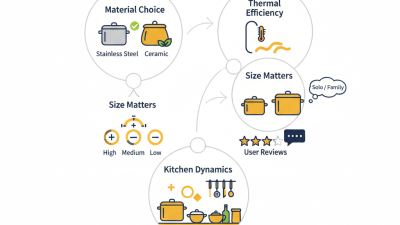
When choosing a thermal soup pot, capacity plays a vital role. Sizes can vary greatly, from personal 1-liter pots to large 5-liter models. It’s important to reflect on your needs. A small pot suits solo meals or small households. On the other hand, a larger pot is ideal for gatherings or meal preps. However, an oversized pot can lead to food waste if not utilized properly.
Consider your cooking habits carefully. You might enjoy making a big batch of soup, but will it all be consumed? Choosing the wrong size can mean leftovers or the need for constant reheating. A mid-range option, like a 3-liter pot, often strikes a balance. It’s manageable and reduces waste. Still, you might find it difficult to gauge exact needs over time.
Experiment with different capacities. This could lead to unexpected surprises in taste. Sometimes the perfect meal comes from an imperfect approach. Embrace the learning curve. Allow your cooking experience to dictate your choice rather than a fixed idea of size. The right capacity enhances enjoyment and minimizes regrets.
Top Thermal Soup Pot Capacity Comparison
Common Maintenance Practices for Optimal Performance
Maintaining a thermal soup pot is essential for its longevity. Regular cleaning is a must. After each use, wash it with warm, soapy water. Pay attention to any residue from your soup. Leftover ingredients can lead to unpleasant smells and affect future meals. Rinse thoroughly and dry carefully to prevent rust.
Storage is just as important. Keep your pot in a dry, cool place. Avoid stacking heavy items on top of it. This can cause dents or warping over time. It’s wise to check seals and lids periodically. A well-sealed pot retains heat better. A damaged seal can drastically lower performance.
Routine maintenance is often overlooked. Inspect the thermal insulation and handles for wear. If the pot has a removable inner container, check it regularly. Any cracks or scratches could compromise efficiency. Remember, taking a moment to check these features can save you trouble down the road.