Top Cutlery Container Options for Global Buyers?
In today's fast-paced culinary world, choosing the right Cutlery Container is vital. This small yet essential tool can greatly impact kitchen efficiency and organization. According to a recent industry report by Mordor Intelligence, the global kitchen utensils market, including cutlery storage solutions, is expected to grow by over 5% annually. This growth underscores the increasing value consumers place on functionality and aesthetics in kitchenware.
As more buyers seek stylish and practical kitchen options, the demand for innovative Cutlery Containers has risen. A well-designed container not only preserves cutlery but also enhances kitchen aesthetics. Options range from minimalist designs to elaborate storage systems that cater to various culinary needs. However, some containers may lack durability, raising questions about long-term investment and value. Do they really meet user expectations for longevity?
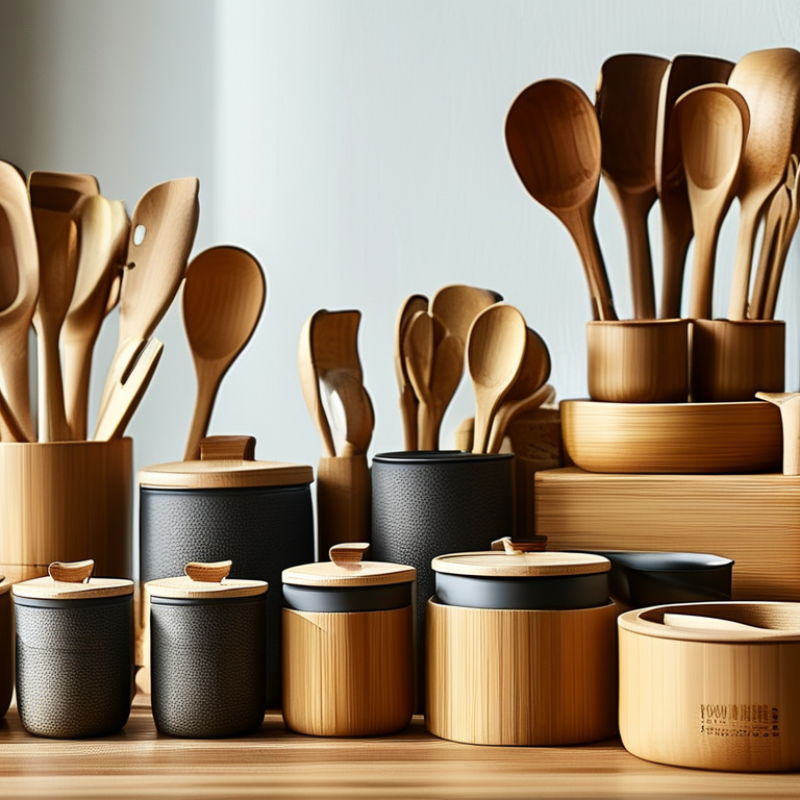
Buyers should consider materials and design features while selecting. For instance, bamboo containers are eco-friendly, yet they may require more care. Metal alternatives often promise durability but can be costly. The key is balancing practicality with the environmental impact. Exploring various options allows global buyers to make informed decisions that reflect their unique culinary lifestyle.
Essential Features to Consider in Cutlery Containers
When selecting cutlery containers, consider key features that enhance functionality and appeal.
One essential aspect is material choice.
Stainless steel offers durability and a modern aesthetic. Wood adds warmth but may require more maintenance.
Plastic containers are lightweight, but they might not provide the same level of sturdiness over time.
Size and capacity are also crucial. Smaller households may benefit from compact designs
that save space. On the other hand, larger families often need more extensive options to accommodate various utensils.
Adjustable dividers can help to keep items organized. This is a feature worth considering if you prefer a tidy appearance.
Finally, ease of cleaning cannot be overlooked.
Some materials are dishwasher-safe, which can simplify maintenance. Ensure any container has smooth surfaces
to prevent food buildup. Remember that a well-chosen cutlery container can elevate your dining experience.
However, there’s a challenge in finding the right balance between aesthetics and practicality.
Types of Cutlery Containers for Different Culinary Needs
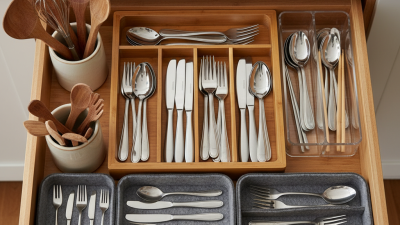
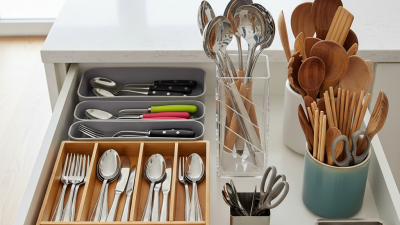
When it comes to organizing cutlery, various container types serve distinct culinary needs. One common option is the drawer organizer. It keeps knives, forks, and spoons neatly in place. This type is perfect for kitchens with limited space, but it can be messy if not regularly maintained.
Another popular choice is the countertop container. These hold utensils where cooks can easily reach them. Stainless steel or ceramic options provide durability and a modern aesthetic. However, they can take up valuable counter space. Some users find these containers cluttered after heavy use.
For outdoor cooking enthusiasts, portable cutlery containers are essential. Compact and lightweight, they fit easily into picnic baskets. While convenient, they often lack the organization of larger containers. Users might need to regularly check their supplies to avoid missing essential items.
Each cutlery container type has its pros and cons. Choosing the right one often requires reflection on personal culinary habits.
Top Brands for Cutlery Containers Globally
When exploring cutlery container options, it's essential to understand the leading brands shaping this market. These brands emphasize utility and design. They offer containers that cater to different kitchen needs. Quality materials are a common theme among top choices. Stainless steel, bamboo, and durable plastic are often preferred. This variety reflects the diverse preferences of global consumers.
Each brand has its unique selling points. Some focus on space-saving designs ideal for small kitchens. Others prioritize aesthetics, providing stylish options for modern homes. Users often express a need for more eco-friendly materials. As sustainability becomes a priority, brands are adapting their offerings accordingly. Feedback on ease of cleaning is also prominent. Consumers want their containers to be dishwasher safe.
Despite the strong offerings, not all products meet expectations. Consumers sometimes report issues with size and capacity. Some containers are either too big or too small, leading to frustration. Brand loyalty can also be challenging to maintain in a diverse market. Innovating continually while listening to customer needs is crucial. Quality and design must evolve together, ensuring that cutlery containers remain functional and appealing.
Top Cutlery Container Options for Global Buyers
| Container Type |
Material |
Dimensions (cm) |
Capacity (Pieces) |
Price Range (USD) |
| Drawer Organizer |
Plastic |
30 x 40 x 5 |
24 |
10 - 20 |
| Cutlery Roll |
Canvas |
25 x 40 |
12 |
15 - 30 |
| Caddy |
Wood |
20 x 20 x 15 |
16 |
25 - 50 |
| Cutlery Insert |
Bamboo |
35 x 45 x 7 |
20 |
20 - 40 |
| Bento Box |
Stainless Steel |
25 x 18 x 10 |
8 |
30 - 60 |
Sustainable Materials for Eco-Friendly Cutlery Storage
When considering cutlery storage options, sustainability is becoming vital. Eco-friendly materials are gaining attention from buyers worldwide. Bamboo, for instance, is a popular choice. It is renewable, lightweight, and has a natural aesthetic. However, some find its durability lacking compared to plastic alternatives.
Recycled plastics also serve as a viable option for cutlery containers. These products reduce waste and maintain sturdiness. Using recycled materials may also contribute to environmental conservatism. Yet, the production process can be complex and may involve harmful chemicals.
Metal containers, such as stainless steel, offer durability. They are often reusable and recyclable, reducing waste over time. However, they can be heavier, making them less convenient for some. Balancing sustainability with practicality becomes essential for users.
The journey to eco-friendly storage involves making mindful choices that may not always be straightforward.
Market Trends in Cutlery Container Designs and Functionality
The cutlery container market has seen significant evolution in recent years. As lifestyles change, so do consumer preferences. A report from Global Market Insights indicates that the demand for innovative cutlery containers is projected to grow at a CAGR of 5.2% from 2023 to 2030. This growth is driven by more people cooking at home, which prompts a need for better organization in kitchens.
Current trends show a shift towards multi-functional designs. Cutlery containers are now incorporating features like detachable compartments and built-in knives' sharpeners. Reports from the Kitchenware Manufacturers Association reveal that 48% of consumers consider versatility an essential factor when selecting storage solutions. However, some designs may compromise on aesthetics or materials, leading to questions about durability.
Sustainability is also becoming crucial. Many buyers seek eco-friendly materials, contributing to trends in bamboo and recycled plastics. Yet, achieving a balance between eco-friendliness and practicality remains a challenge. A survey from the International Kitchenware Association noted that 34% of consumers find it hard to locate genuinely sustainable options. As the market adapts, professionals must navigate these complexities to provide reliable solutions for diverse consumer needs.
Top Cutlery Container Options for Global Buyers