Top 5 Buffet Food Pan Tips for Global Buyers to Consider
When planning a buffet, selecting the right Buffet Food Pan is crucial. It ensures that food stays at the proper temperature and maintains quality. With various materials and sizes available, making an informed choice is essential for global buyers. This selection can impact both presentation and efficiency in service.
The right Buffet Food Pan can enhance the dining experience. Consider factors such as durability, ease of cleaning, and heat retention. Buyers often overlook the importance of these aspects, leading to potential issues during peak service times. A well-chosen pan can optimize your buffet layout and help prevent food waste.
Even experienced buyers may have gaps in their knowledge when it comes to Buffet Food Pans. This overview provides insights on key tips to keep in mind. With careful consideration, you can ensure that your buffet stands out and meets the needs of your customers. Ultimately, the right choices can elevate your buffet offerings significantly.
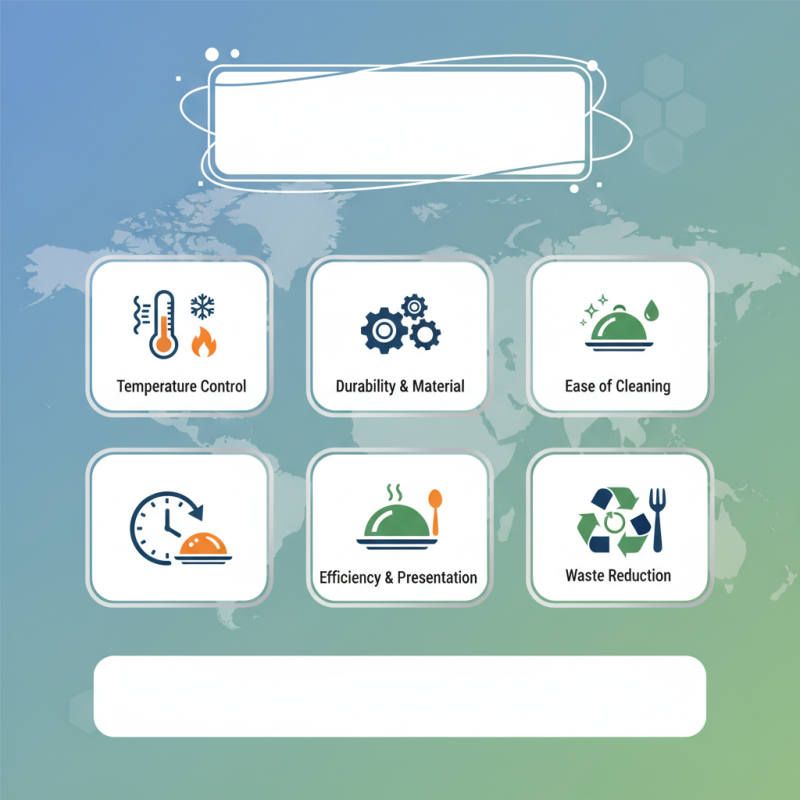
Essential Features to Look for in Buffet Food Pans
When choosing buffet food pans, several essential features should be considered. Size is crucial. Ensure the pans fit your serving tables and storage spaces. Deeper pans can hold more food but may require more effort to lift. A balance between capacity and ease of use is key.
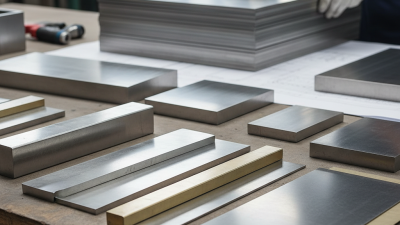
Material choice also plays a significant role. Stainless steel offers durability and resistance to rust. On the other hand, aluminum pans are lightweight and easier to handle. Different materials can affect heat retention, which may impact food quality. It's worth thinking about the trade-offs here.
Keep an eye on the lid design. Tight-fitting lids help maintain temperature and prevent contamination. Also, consider stackability for convenient storage. Easy cleaning features can save time post-event. Understand the importance of these details to enhance your buffet experience. Each facet of design contributes to overall efficiency and presentation.
Top 5 Essential Features to Look for in Buffet Food Pans
Material Options: Choosing the Right Type for Your Needs
Material selection is crucial when it comes to buffet food pans.
Different materials have unique properties that affect performance and durability.
Stainless steel is a popular choice due to its resistance to corrosion and heat.
However, it can be heavy and may dent easily if mishandled. According to industry reports, stainless steel accounts for approximately
65% of the market in buffet equipment.
Plastic food pans present a lightweight alternative.
They are often less expensive and more versatile. However, a major downside is their susceptibility to damage.
Prolonged exposure to high heat can warp them. A 2022 study indicated that nearly
30% of operators reported damage to plastic pans within the first year of use.
This statistic highlights the need for careful consideration when balancing cost against longevity.
Another option is glass or ceramic for buffet displays. They offer aesthetic appeal but are often fragile.
While attractive, they require careful handling and are usually heavier, increasing transportation challenges.
As outlined in various market analyses, 40% of buyers express dissatisfaction with breakage rates.
It suggests that while these materials elevate presentation, they may not align with practicality for all buyers.
Size and Capacity Considerations for Buffet Food Pans
When choosing buffet food pans, size and capacity are key factors for any global buyer. Evaluate your menu before making a decision. Know the portion sizes you will serve. This ensures you select pans that can accommodate your food offerings effectively. Larger pans are useful for popular dishes while smaller ones may fit specialty items well.
Consider the space you have available. Buffet setups often vary in size and arrangement. Choose pans that maximize both your serving area and customer access. Striking a balance between aesthetics and practicality is crucial. A crowded buffet can deter visitors. Smaller pans can ease traffic while larger pans invite more engagement.
While it’s tempting to fill every space with food, be mindful of waste. Overfilling pans can lead to leftovers that go uneaten. Reflect on the dining experience you want to create. The right size and capacity can enhance not only the presentation but also minimize waste. Finding that balance requires careful thought and a good understanding of your clientele's needs.
Maintenance and Cleaning Tips for Longevity
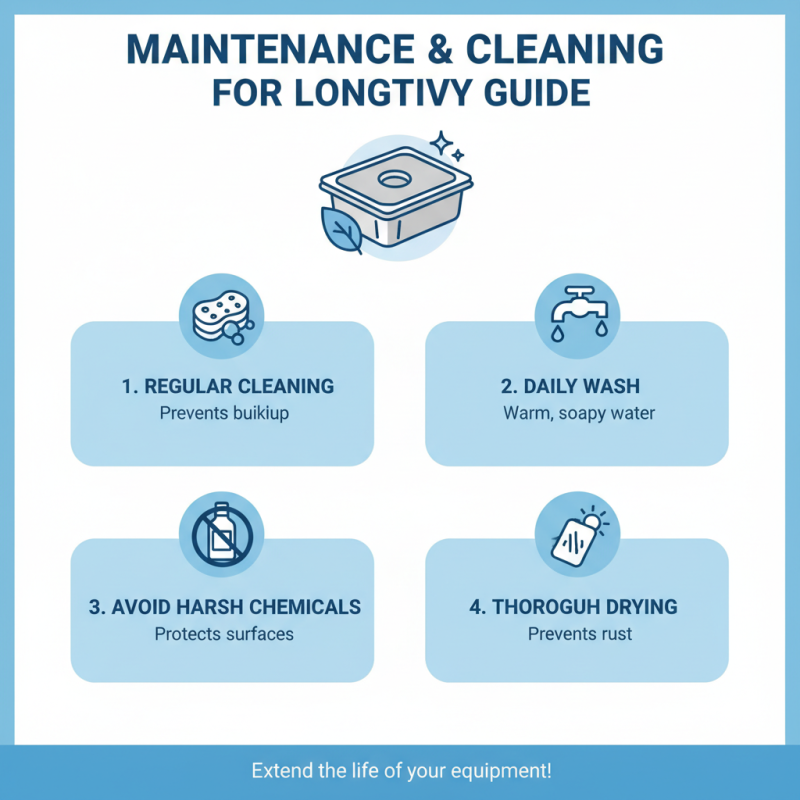
Maintaining buffet food pans is crucial for their longevity. Regular cleaning is essential to prevent food buildup and residue. Use warm, soapy water for daily washing. Avoid harsh chemicals that may damage surfaces. Make sure to dry the pans thoroughly after each wash. Dampness can lead to rust and deterioration.
Inspect the pans frequently for signs of wear. Scratches or dents can harbor bacteria. If the damage is significant, it’s wise to consider replacements. This may seem costly, but investing in quality equipment pays off. Remember, your presentation reflects your brand's value.
Storing food pans properly is another key aspect. Stacking them can save space, but don’t stack them too tightly. This can cause scratches. Wrap them in soft cloths to protect surfaces. Take note of any changes in the pans' appearance over time. Documenting these can provide insight into usage patterns and help in future purchasing decisions.
Cost Factors: Budgeting for Quality Buffet Equipment
When considering buffet equipment, cost factors play a crucial role. Establishing a budget is vital for high-quality purchases. A budget helps differentiate between essential and non-essential features. Many buyers focus solely on price, missing out on durability and performance.
It’s important to look beyond the initial costs. Quality buffet pans can save money over time. They minimize food wastage and maximize heat retention. Cheap equipment may break, leading to replacement expenses. This impacts both budget and service efficiency.
Understanding your specific needs is also necessary. Not every buffet environment requires the same equipment. Some may need larger pans for big events, while others require smaller servings. Reflecting on these details can guide better investment choices. Balancing cost and quality will yield long-term satisfaction.