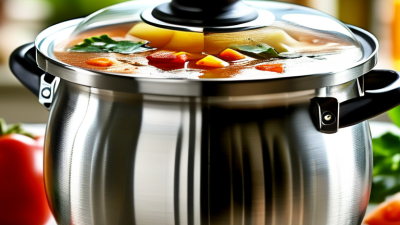
What is a Thermal Soup Pot and How to Choose the Best?
When considering kitchen essentials, a Thermal Soup Pot stands out for its efficiency and convenience. According to Chef Emily Johnson, a noted expert in culinary tools, "A good Thermal Soup Pot retains heat and maximizes flavors." This makes it an ideal choice for busy home cooks who appreciate both taste and time-saving devices.
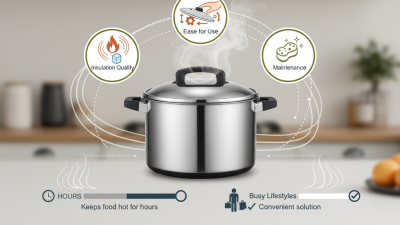
These pots not only keep soups warm but also enhance their flavors over extended periods. Choosing the right pot is crucial. High-quality materials and insulation can greatly impact performance. It's important to look for pots that offer durability, ease of cleaning, and optimal heat retention.
Exploring the market reveals a vast array of options. Not all Thermal Soup Pots are created equal, and some may disappoint. Reading customer reviews and testing features can help in avoiding subpar choices. Engaging with experts can provide insights, helping consumers identify the perfect soup pot that meets their specific needs and enhances their cooking experience.
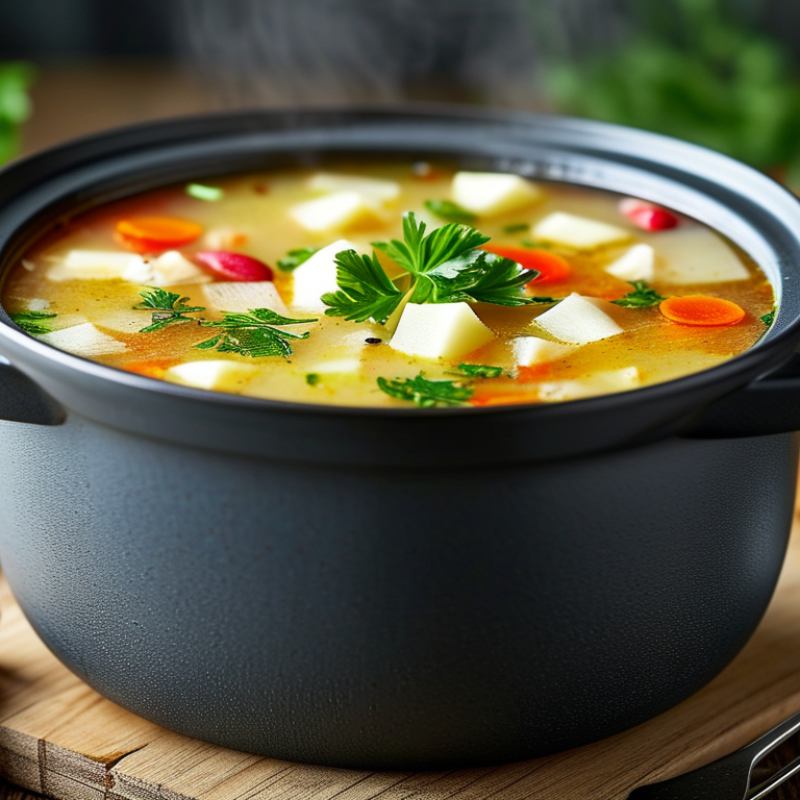
What is a Thermal Soup Pot? Understanding the Basic Concept and Functionality
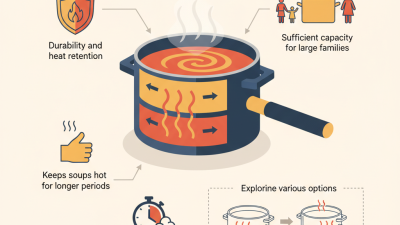
A thermal soup pot is an innovative kitchen tool designed for cooking and keeping food warm. Its primary function revolves around maintaining heat retention for extended periods. Unlike regular pots, thermal soup pots harness double-wall insulation technology. This helps to keep soups and stews warm without a continuous heat source.
When selecting a thermal soup pot, consider size and insulation efficiency. A larger pot is ideal for families. For individuals, smaller brands may suffice. The insulation material should also be durable and safe for food contact. Strive for pots that use high-quality stainless steel or BPA-free plastics. Moreover, ease of cleaning influences the overall cooking experience.
Many users find that thermal soup pots require a bit of practice. It can take time to understand the right cooking times and temperatures. Some recipes may evolve as you adjust to the pot’s unique functionality. Mistakes can happen, especially if you underestimate heat retention. Engaging with a community of users can provide valuable insights and shared experiences.
Key Features of Thermal Soup Pots: Insulation, Material, and Design Considerations
When exploring thermal soup pots, insulation is a key feature to consider. Good insulation keeps your soup hot for hours, enabling you to enjoy it at the desired temperature. Look for pots with double-layered walls, which enhance heat retention. A well-insulated pot limits heat loss, even in colder environments. This is especially important for outdoor enthusiasts or those with busy schedules.
Material also plays a vital role in a thermal soup pot's effectiveness. Stainless steel is popular for its durability and resistance to rust. It offers a non-reactive surface, preserving the flavor of your food. Some pots use BPA-free plastic, keeping the design lightweight. However, it may not retain heat as long as metal. Evaluate the balance between weight and thermal performance based on your lifestyle.
Design considerations add to the pot's functionality. Look for a wide mouth for easy filling and cleaning. Ergonomic handles make pouring safe and comfortable. Remember to examine the overall size. A compact pot is great for solo meals, while larger models suit family servings. Understanding these elements helps you choose the right thermal soup pot for your needs.
Comparative Analysis: Thermal Soup Pots vs Traditional Cooking Methods
When comparing thermal soup pots to traditional cooking methods, several key differences emerge. Thermal soup pots use insulation to keep food hot for hours. They don’t rely on continuous heat sources like stoves. This method can save energy and time. The process is simpler, allowing anyone to create hearty meals with minimal effort.
Traditionally, cooking often requires constant supervision. Stirring, adjusting heat, and timing are critical. This can be stressful, especially for busy individuals. In contrast, thermal soup pots enable a more hands-off approach. You can prepare ingredients in advance. It allows flavors to meld while you focus on other tasks. However, there is a downside: if not monitored, food could overcook.
Choosing between these methods often depends on personal preferences and lifestyle. Thermal soup pots are efficient, but limits exist. For instance, they are not ideal for cooking certain delicate dishes. In contrast, traditional methods may offer better control for complex recipes. Understanding these factors helps in making an informed decision.
Comparative Analysis: Thermal Soup Pots vs Traditional Cooking Methods
Choosing the Right Capacity: How Volume Affects Cooking Efficiency
When it comes to choosing a thermal soup pot, capacity plays a crucial role in cooking efficiency. A pot's volume directly impacts how rapidly it can heat or cool its contents. Smaller pots might heat up quickly, making them suitable for quick meals. However, cooking larger batches can be inefficient in a small pot, requiring more time and energy.
On the other hand, a larger pot allows for bulk cooking, which can save time. But if it's too big for a small serving, food may not heat evenly. Inefficient heat distribution can lead to inconsistency in cooking. It’s essential to think about your cooking habits. Do you cook for one or a family? A pot that is too large might waste energy and time, while one too small may require several cooking rounds.
Finding the right balance between size and efficiency can be challenging. It's worth evaluating how you use your thermal pot. Balance how often you cook, the amount of food you prepare, and your kitchen space. Choosing the right size not only enhances efficiency but also ensures that every dish is cooked well. Reflecting on these factors can lead to better cooking experiences.
Tips for Maintenance: Cleaning and Care for Longevity of Your Soup Pot
Maintaining a thermal soup pot requires some deliberate care and attention. Regular cleaning is essential for longevity. After each use, rinse your pot with warm water. Avoid harsh soaps that can damage the pot's insulation. A gentle cloth works wonders for removing stubborn spots without causing scratches.
Make sure to check the lid seals regularly. If they wear down, your pot might not keep heat effectively. Over time, condensation can build up, which may lead to unpleasant odors. Drying your pot thoroughly after use can prevent this issue.
Occasionally, check for any dents or damages. These can impact both performance and safety. If you notice any, it’s wise to reconsider continued use. A well-cared-for soup pot can serve you for years, while neglecting maintenance might cut its lifespan short. Reflecting on these practices ensures your pot remains a reliable kitchen companion.