How to Choose the Best Buffet Food Pan for Your Needs?
Choosing the right Buffet Food Pan is crucial for any catering event. The food service industry reveals that nearly 70% of catering failures stem from improper food storage and presentation. This highlights the importance of selecting quality buffet pans that meet specific needs. Renowned catering expert, Chef John McBride, emphasizes, “A well-chosen buffet pan can elevate your presentation and keep food at optimal temperatures.”
Buffet Food Pans come in various materials, sizes, and shapes. Understanding these options can make a significant difference in overall service quality. Stainless steel pans are popular for their durability, yet plastic options offer lightweight convenience. However, not all pans maintain heat effectively, which can lead to food safety issues.
Many caterers overlook the necessity of depth and size in relation to the type of food being served. A shallow pan may not retain heat as well as a deeper one. It’s essential to consider these factors to ensure guest satisfaction. Ultimately, investing time in selecting the right Buffet Food Pan can create a lasting impression and enhance the overall dining experience.
Understanding Different Types of Buffet Food Pans Available on the Market
Choosing the right buffet food pan can be daunting. There are several types available, each serving unique purposes.
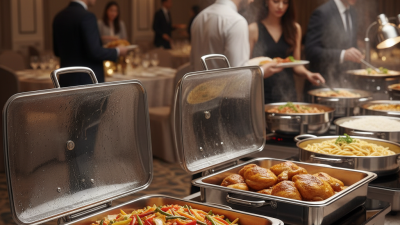
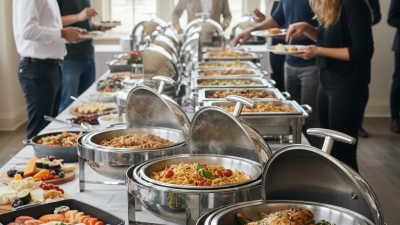
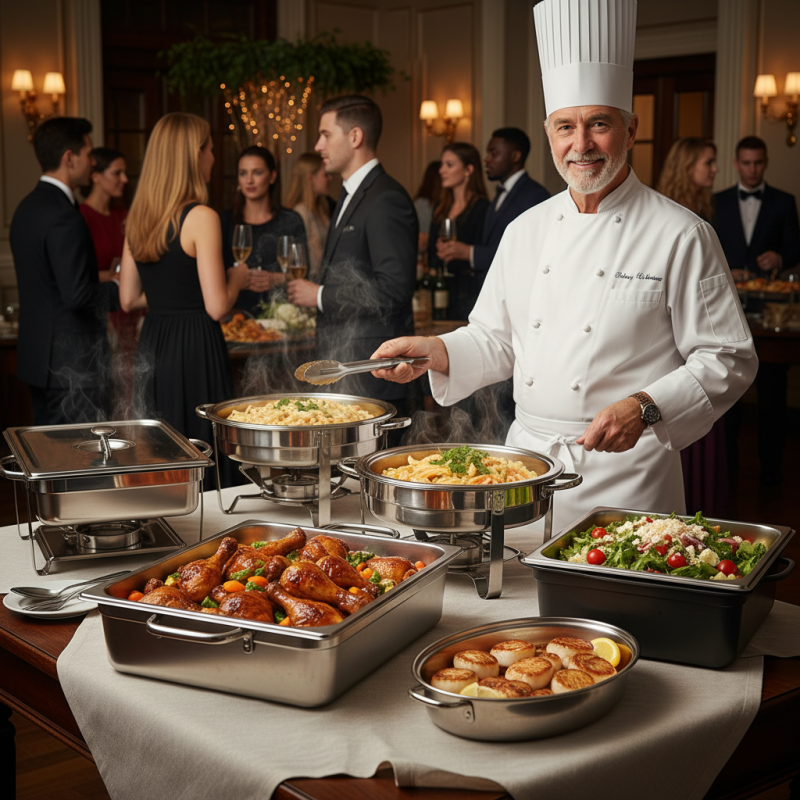
Chafing dishes are popular because they keep food warm during events. They consist of a pan, a fuel source, and a frame. These are great for larger gatherings.
Another option is steam table pans. They fit into steam tables, which help maintain temperature. Available in various sizes, they accommodate different volumes of food. They are often used in restaurants for efficient food service. But remember, their insulation design can make them heavy.
Lastly, consider disposable buffet pans for convenience. They are lightweight and easy to transport. This option is ideal for casual events. However, they lack the durability of metal pans.
Evaluating these options is essential for achieving an efficient buffet setup. Each type has its strengths and weaknesses, leading to varied experiences.
Key Features to Consider When Selecting a Buffet Food Pan
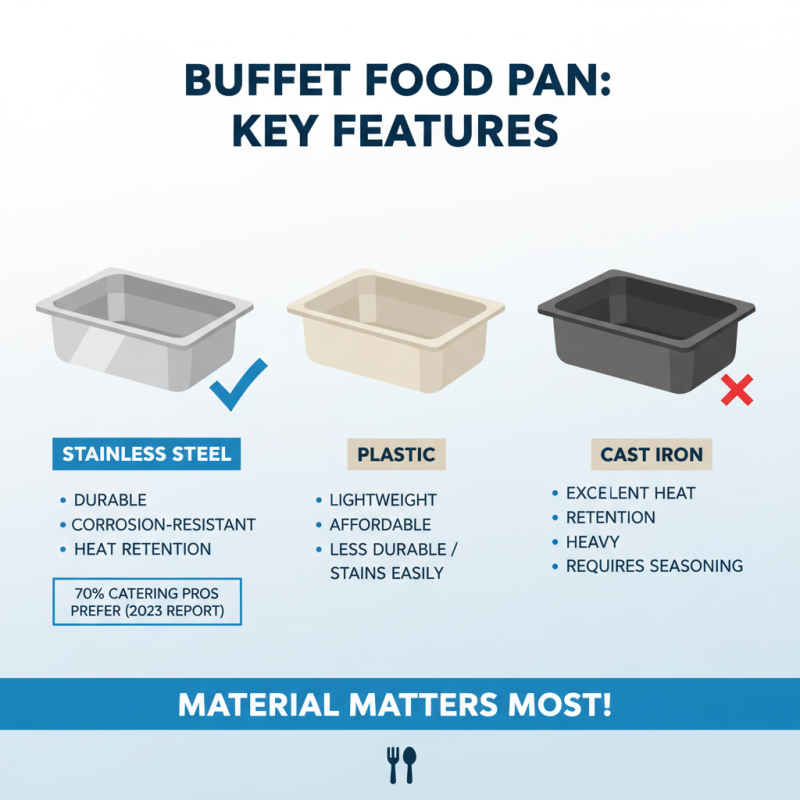
When selecting a buffet food pan, several key features demand your attention. Material is crucial. Stainless steel pans are durable and resistant to corrosion. They maintain heat well, ensuring food serves at the desired temperature. According to a 2023 industry report, nearly 70% of catering professionals prefer stainless steel for its longevity.
Size matters significantly. Buffet pans come in various dimensions. Choosing the right size can prevent food waste. A study indicated that 65% of buffet services noted that inadequate sizing led to over-preparation. Also, consider the depth. Deeper pans can hold more food, but can create challenges for serving.
Lids are another important feature to evaluate. A well-fitted lid maintains food temperature and quality. Furthermore, a lid can minimize cross-contamination. About 50% of food safety professionals emphasize the need for secure lids in buffet settings. In an environment where food safety is paramount, investing in pans with reliable lids can significantly enhance service quality.
Material Options for Buffet Food Pans and Their Advantages
When selecting a buffet food pan, material plays a crucial role. Different materials offer unique advantages, impacting both performance and aesthetics.
Stainless steel is a popular choice due to its durability and resistance to rust. It can withstand high temperatures, making it suitable for both hot and cold dishes. Moreover, stainless steel pans are easy to clean and maintain, which is essential for buffet settings.
Aluminum food pans are lightweight and excellent at heat conduction. They heat up quickly and help maintain the desired temperature of food. However, they can be prone to warping under extreme heat.
Consider using anodized aluminum, which is sturdier and less reactive with acidic foods.
Glass pans offer a stylish alternative that allows guests to see the food. They are non-reactive and retain heat well, but may not be the best for heavy-duty use.
Polycarbonate pans are another option worth exploring. They are shatter-resistant and provide a clear view of the food. Despite their durability, they may scratch more easily than metal options.
When weighing these choices, think about the specifics of your events. How often will they be used? Will temperature retention be critical? Reflecting on these questions will assist in finding the right balance between functionality and presentation.
Size and Capacity: How to Choose the Right Fit for Your Needs
Choosing the right buffet food pan begins with understanding size and capacity. It's essential to consider how much food you need to serve. For small gatherings, a pan that holds approximately 2 to 4 quarts suffices. However, larger events require pans that can manage 6 to 10 quarts or more. Misjudging the capacity can lead to under-serving or wastage.
Pay attention to the dimensions. A wider pan offers more surface area for dish presentation. This can improve food visibility and accessibility. Depth also matters; deeper pans hold more volume but can make it harder for guests to serve themselves. A pan that is too deep might lead to spills and mess.
Think about how the pan will be used. Will it be kept warm with a chafing dish or perhaps served cold? This can influence your choice of material and design. Not all pans are created equal; some may warp over time while others retain heat better. Consider your personal experiences with different styles. What worked? What didn’t? Reflecting on past events helps refine your choices for future use.
Budget Considerations: Finding Quality Food Pans at Reasonable Prices
When selecting a buffet food pan, budget considerations play a significant role. You want quality materials without overspending.
Stainless steel and aluminum are popular choices. They offer
durability and good heat retention. However, prices can vary widely based on brand and design.
Look for options that provide a balance between cost and performance.
Online marketplaces often have competitive prices.
Search for customer reviews to gauge reliability. Cheaper pans may compromise on thermal properties.
This could mean food stays warmer for less time, disappointing your guests.
Think about your specific needs. If you're catering a large event, investing in
sturdy, well-insulated pans could save you money in the long run. Conversely,
for smaller gatherings, a less expensive pan might suffice. Take the time to compare specifications and read feedback.
It’s worth it to ensure you’re not sacrificing quality for price.