Inquiry
Form loading...

10 Essential Tips for Choosing the Perfect Thermal Soup Pot

When it comes to preparing nutritious and delicious soups, the right cooking equipment can make a significant difference. A thermal soup pot is an excellent addition to any kitchen, allowing you to keep soups warm for extended periods while enhancing flavors through slow cooking. According to well-known culinary expert Dr. Emily Hart, "Investing in a quality thermal soup pot can elevate your cooking by ensuring that every meal retains its warmth and essence."

Choosing the perfect thermal soup pot can be a daunting task with the myriad of options available in the market. Factors such as material, capacity, insulation performance, and ease of cleaning should influence your decision. Understanding these key aspects will not only save you time and effort in the kitchen but also ensure that you achieve the best results in your cooking endeavors.

In this article, we will explore ten essential tips designed to help you select the ideal thermal soup pot that meets your needs and preferences. Whether you are an avid soup maker or just starting to experiment with warm meals, these insights will guide you in making an informed choice for your culinary adventures.

10 Essential Tips for Choosing the Perfect Thermal Soup Pot

Key Features to Look for in Thermal Soup Pots

10 Essential Tips for Choosing the Perfect Thermal Soup Pot

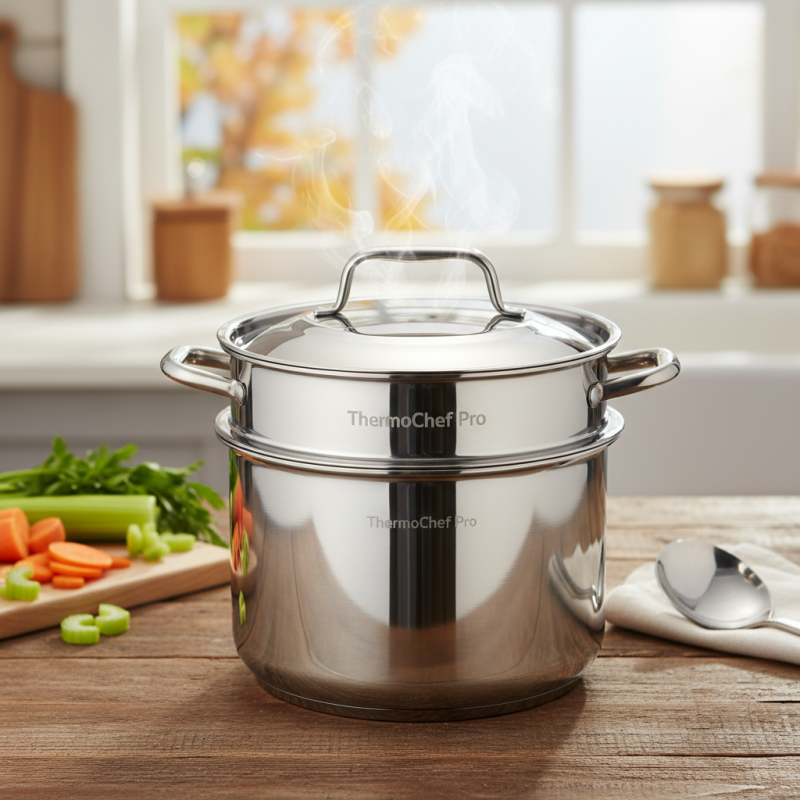
When it comes to choosing the perfect thermal soup pot, several key features can greatly influence your experience. First and foremost, consider the material of the pot. High-quality stainless steel is often preferred for its durability and excellent heat retention properties. Additionally, a double-walled design ensures that your soups remain hot for hours without burning the exterior or affecting the flavor.

Another important feature to look for is the pot’s capacity. Depending on your needs, you may want a larger pot for family gatherings or a smaller one for daily use. Opt for a model with a wide mouth for easy serving and cleaning. Furthermore, ensure that the lid fits securely. A tight seal not only helps maintain heat but also prevents spills while you’re on the go.

In your selection process, remember to evaluate the insulation efficiency. A well-insulated pot will keep your food at the desired temperature for longer periods, making it ideal for picnics or long road trips. Lastly, consider portability features such as a sturdy handle or a lightweight construction, which will make it easier to transport your hot soups wherever you need.

Understanding Insulation Technology: How It Works

10 Essential Tips for Choosing the Perfect Thermal Soup Pot

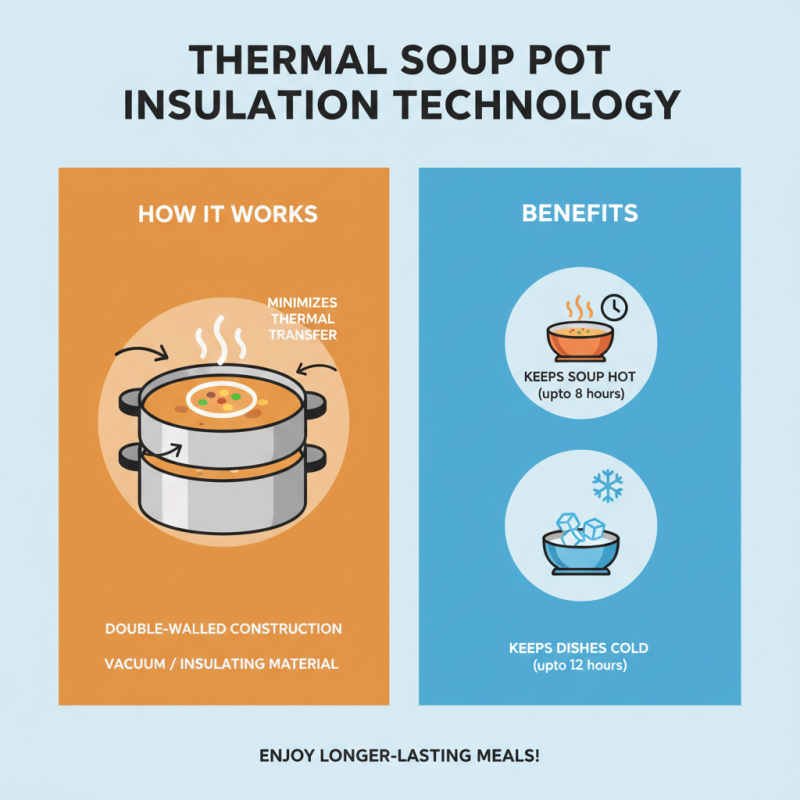
When choosing the perfect thermal soup pot, understanding insulation technology is crucial. Insulation works by minimizing thermal transfer, ensuring that the contents of your pot maintain the desired temperature for a longer period. Most thermal pots utilize double-walled construction filled with a vacuum or an insulating material, which effectively slows down heat loss. This principle allows soup to stay hot for hours or cold dishes to remain chilled, making your culinary creations last longer, whether you’re serving up hot soup on a wintry day or sharing a refreshing chilled gazpacho in the heat of summer.

In addition to insulation technology, consider your specific needs. If you often transport meals, look for pots that offer durable construction and a secure, leak-resistant lid. Another important tip is to choose a pot with a comfortable handle that provides a secure grip, especially when it’s filled. Also, keep in mind the size; selecting a pot that fits your typical portions ensures that your culinary delights are enjoyed to the fullest without waste.

Lastly, think about the ease of cleaning. Many thermal soup pots come with non-stick interiors or removable liners, which can simplify maintenance and prolong the life of your investment. With these tips, you can make an informed decision when selecting a thermal soup pot that meets your needs, all while appreciating the technological advancements that keep your soups at their optimal temperature.


Material Matters: Choosing the Right Pot Material

When selecting the ideal thermal soup pot, the material plays a crucial role in both functionality and durability. Stainless steel is one of the most popular choices, praised for its ability to retain heat while maintaining a lightweight structure. According to the International Journal of Food Properties, stainless steel pots can maintain their temperature significantly longer than traditional materials like ceramic or glass, making them ideal for keeping soups warm over extended periods. Furthermore, stainless steel is non-reactive, which means it won't alter the taste of your soup, ensuring that the flavors you intend to create remain intact.

Another material worth considering is cast iron, renowned for its exceptional heat retention and even cooking properties. The Journal of Culinary Science & Technology notes that cast iron construction can distribute heat uniformly, which is essential when simmering soups slowly to allow all the flavors to meld. In addition to its cooking benefits, cast iron pots often come with a unique aesthetic appeal and durability that can last for generations, provided they are cared for properly. However, they do require more maintenance than stainless steel, and potential buyers should be aware of the weight difference when handling these pots. Ultimately, understanding the characteristics of each material will guide you in making an informed choice that enhances your cooking experience.

10 Essential Tips for Choosing the Perfect Thermal Soup Pot - Material Matters: Choosing the Right Pot Material

Material Heat Retention Durability Weight Price Range
Stainless Steel Excellent Very Durable Heavy $30 - $150
Cast Iron Outstanding Highly Durable Very Heavy $50 - $200
Aluminum Good Moderately Durable Lightweight $20 - $80
Non-Stick Coated Good Less Durable Lightweight $30 - $100
Ceramic Fair Moderately Durable Lightweight $40 - $150

Size and Capacity: Finding the Ideal Volume for Your Needs

When selecting the perfect thermal soup pot, understanding size and capacity is crucial to meet your culinary needs. According to a report by the Culinary Institute of America, the average household typically consumes about 4-6 servings of soup per meal, which suggests that a pot with a capacity of 4 to 6 quarts is ideal for family-sized portions. This size allows for the preparation of larger batches while also being versatile enough for small gatherings, making it a practical choice for both daily meals and special occasions.

Consideration of capacity doesn’t only relate to serving sizes but also to storage efficiency. Research conducted by the Food and Beverage Association indicates that an optimal thermal soup pot can retain heat for up to 6 hours, which is relatively perfect for meal prep and leftovers. Pots with larger capacities, such as 8-10 quarts, may seem appealing for batch cooking; however, they can also lead to food waste if the entire volume is not consumed. It's essential to balance your cooking frequency and serving needs when choosing the right size, ensuring that your pot is both functional and suitable for your lifestyle.

Capacity Comparison of Thermal Soup Pots

Maintenance Tips for Longevity of Your Thermal Soup Pot

To ensure the longevity of your thermal soup pot, regular maintenance is key. Start by thoroughly cleaning the pot after each use to prevent residue build-up. Use mild soap and a soft sponge to avoid scratching the inner surface. If your pot has a removable liner, wash it separately to keep it in top condition. Avoid using abrasive cleaners or scouring pads, as these can damage the thermal insulation layers.

Additionally, it's essential to handle your thermal soup pot with care. Avoid dropping or knocking it against hard surfaces, as this can impair its thermal properties. When storing your pot, ensure it is completely dry to prevent mold or odors from developing. It’s wise to keep it covered to protect it from dust and other contaminants. By following these simple maintenance tips, you can prolong the life of your thermal soup pot and continue to enjoy delicious, hot meals for years to come.