10 Essential Tips for Choosing the Right Food Tongs for Your Kitchen
When it comes to choosing the right food tongs, expert chef Anthony Bourdain emphasized, "Good food tongs can make or break your cooking experience." The right tongs serve as an essential kitchen tool. They help in flipping burgers, serving pasta, or tossing salads. Selecting the ideal pair ensures safety and convenience while cooking.
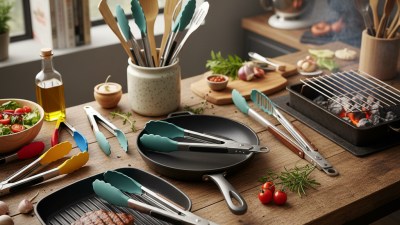
Many overlook the details that matter in food tongs. The material, length, and grip design can significantly impact usability. For instance, metal tongs may be durable but can scratch non-stick surfaces. On the other hand, silicone tongs offer flexibility and are gentle on cookware.
It's easy to make mistakes when choosing food tongs. Some may opt for the cheapest option without considering functionality. Others may choose overly long tongs that are hard to control. Understanding these nuances can lead to a more empowered cooking experience. The right food tongs enhance efficiency and safety in the kitchen. Take time to consider your cooking habits before making a decision.
Understanding the Different Types of Food Tongs Available
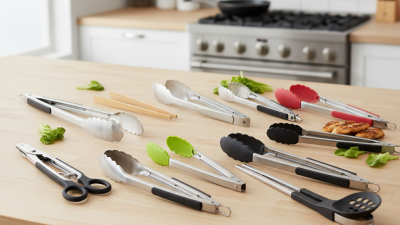
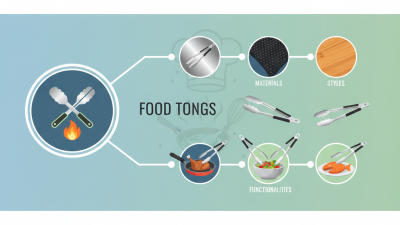
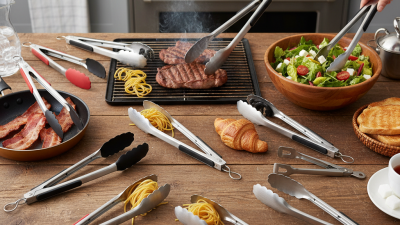
When choosing food tongs, it's important to understand the different types available. There are various materials, such as stainless steel, silicone, and wood.
Stainless steel tongs are durable and heat-resistant. They are perfect for grilling or frying.
Silicone tongs offer flexibility. They are great for non-stick cookware, preventing scratches.
Each type has its unique benefits that cater to different cooking needs.
Consider the design features of tongs too. Long handles provide better grip and control. Locking mechanisms can help with storage and safety. Some tongs even have built-in utensils. A set that combines multiple functionalities can save space in your kitchen.
Foldable tongs occupy less room but may be less sturdy. It's essential to weigh these factors based on how frequently you cook.
Take some time to reflect on your cooking habits. Do you often barbecue or bake? This question can guide your choice. The perfect tongs should feel comfortable in your hand. Pay attention to how they fit and maneuver. A suitable pair can make cooking easier, but a poor choice might lead to frustration. Taking the time to explore your options can lead to a more enjoyable cooking experience.
Material Considerations for Durability and Performance
When selecting food tongs, the material plays a crucial role in their durability and performance. Stainless steel tongs are often favored due to their resistance to rust and corrosion. According to a recent survey by The Specialty Food Association, 78% of professional chefs prefer stainless steel for its longevity and heat resistance. This metal can withstand high temperatures, making it ideal for grilling and frying.
Silicone-tipped tongs have gained popularity as well. They are perfect for non-stick cookware. The heat resistance of silicone can reach up to 500°F, reducing the risk of melting. However, while these tongs are safer for delicate surfaces, they may not offer the same durability as stainless steel. Users should be mindful that silicone can degrade over time. Regular checks for wear and tear are necessary to ensure they remain safe for use.
Additionally, bamboo tongs present an eco-friendly option. They are biodegradable and lightweight, appealing to environmentally conscious cooks. However, while bamboo is sturdy, it may not stand up to prolonged exposure to moisture compared to metal or silicone. As you consider your choices, weigh the benefits of each material against your cooking habits and kitchen needs.
Sizing Up: Choosing the Right Length for Your Needs
Choosing the right length for food tongs is crucial for kitchen efficiency. Professionals often suggest a length between 9 to 16 inches. This range offers a balance between control and safety. Tongs that are too short can lead to burns while cooking. On the other hand, excessively long tongs can be cumbersome. A 2019 survey revealed that 72% of chefs prefer tongs in this recommended range for daily use.
In terms of practical usage, consider the tasks you frequently perform. For grilling or roasting, longer tongs ensure you maintain distance from heat. However, for flipping items on a stovetop, shorter tongs allow for better maneuverability. A study by the Culinary Institute indicated that 65% of home cooks use tongs primarily for frying or sautéing. This highlights the need for versatile lengths in your tool set.
Reflect on your own cooking habits. Do your current tongs reach the right length for comfort and safety? If not, it may be time to reassess. Tongs should feel like an extension of your hands. A mismatch in length can lead to frustration during meal prep. Choosing the right size can significantly enhance your cooking experience and kitchen safety.
10 Essential Tips for Choosing the Right Food Tongs for Your Kitchen - Sizing Up: Choosing the Right Length for Your Needs
| Tip Number |
Tip Description |
Recommended Length |
Best Used For |
| 1 |
Consider the size of your cookware |
9-10 inches |
Small pans and baking sheets |
| 2 |
Look for a comfortable grip |
10-12 inches |
Grilling and outdoor cooking |
| 3 |
Choose materials that won't scratch |
12-14 inches |
Non-stick cookware |
| 4 |
Select tongs with locking mechanisms |
8-10 inches |
Compact storage |
| 5 |
Consider the type of food you handle |
10-12 inches |
Salads & pasta |
| 6 |
Opt for silicone tips for health safety |
9-11 inches |
Cooking and serving |
| 7 |
Evaluate weight for ease of use |
10-12 inches |
Versatile kitchen tasks |
| 8 |
Check the length for BBQ use |
12-16 inches |
Grilling meats |
| 9 |
Look for dishwasher-safe options |
9-12 inches |
Easy cleaning |
| 10 |
Choose colors that match your kitchen |
Any size |
Aesthetic appeal |
Ergonomic Features for Comfortable Handling
When selecting food tongs, ergonomic features play a crucial role. A well-designed pair of tongs can greatly enhance your kitchen experience. According to a report by the American Journal of Ergonomics, proper grip and hand positioning can reduce strain during cooking. This is especially vital for home cooks who spend hours in the kitchen.
Consider the handle material and shape. Some tongs have rubberized grips, which offer a comfortable hold. A study by the National Institute of Health found that ergonomic handles can decrease hand fatigue by up to 30%. Look for tongs that allow for easy maneuverability. This helps prevent accidents when flipping or serving food.
Length is also important. Tongs that are too short can lead to burns or splatters. On the contrary, overly long tongs may be awkward for detailed tasks. Aiming for a middle ground is essential. Inspect features such as locking mechanisms and flexibility. These enhancements not only boost safety but also add to the overall convenience of use. Finding the right balance in ergonomics will inspire confidence in your cooking duties.
Cleaning and Maintenance Tips for Longevity
Cleaning your food tongs is essential for their longevity. After each use, rinse them immediately with warm water.
This prevents food particles from sticking and hardening. Pay attention to any crevices or joints where residue might accumulate.
For deeper cleaning, soak your tongs in a mixture of warm water and mild dish soap. Use a soft sponge to scrub away stains and grease. Avoid abrasive materials, as they can scratch the surface. Rinse thoroughly to remove soap residue.
Regular maintenance helps keep your tongs hygienic and functional.
Check the hinges often. If they become loose or rusty, your tongs may not work properly. In such cases, consider replacing them. By implementing these care practices, you can ensure your food tongs remain in top condition for years.