Inquiry
Form loading...

10 Essential Tips for Choosing the Best Stainless Steel Chafer

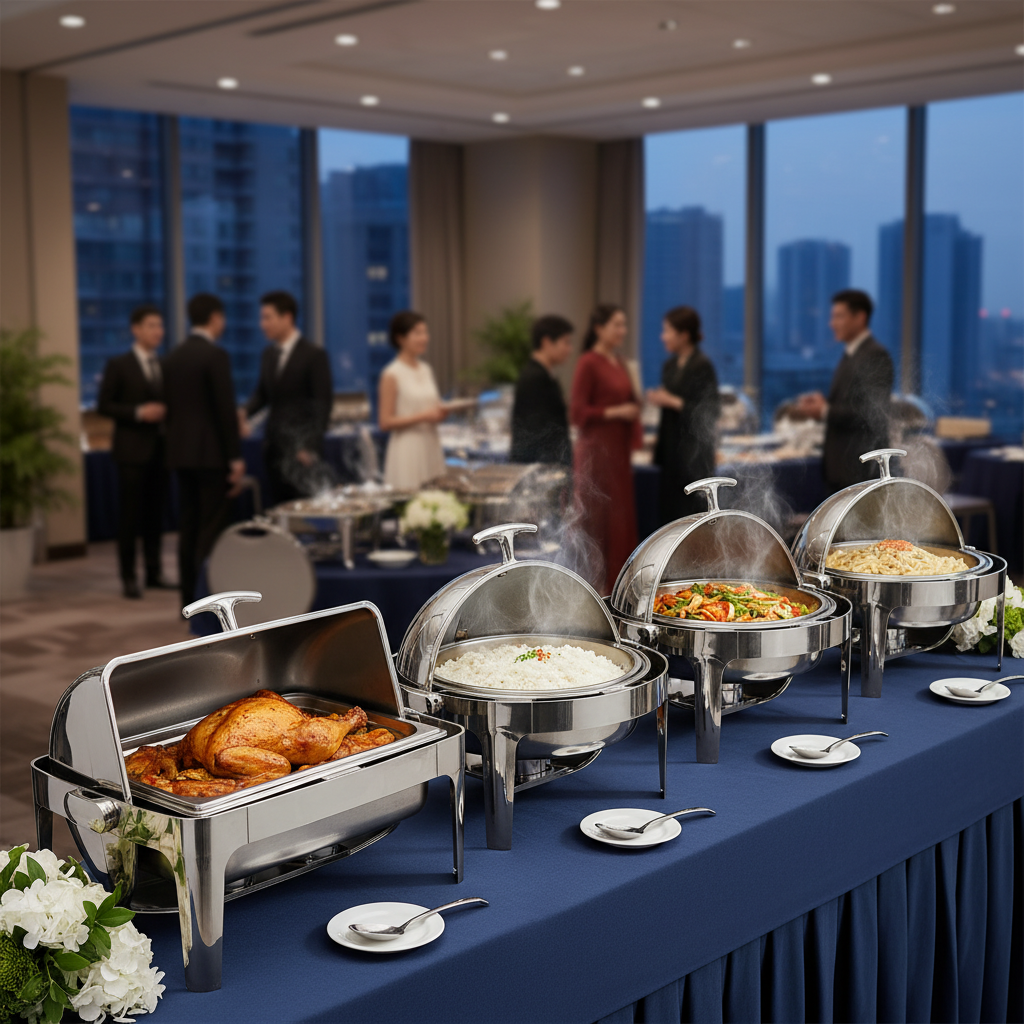
When it comes to catering and food service, choosing the right equipment can significantly influence the quality of service and customer satisfaction. Among the most crucial items in any caterer's arsenal is the Stainless Steel Chafer, a quintessential tool for keeping food warm and presentable. According to a recent industry report by Market Research Future, the global market for foodservice equipment, including chafers, is projected to reach USD 50 billion by 2025, growing at a compound annual growth rate of 5.4%. This underscores the importance of selecting high-quality chafers that not only enhance the dining experience but also align with evolving culinary trends.

Expert in catering design and equipment, Chef Jonathan Hart, emphasizes the importance of quality in this sector: "The Stainless Steel Chafer is more than just a vessel; it symbolizes the integrity of the catering service. A well-chosen chafer can elevate a simple buffet into a remarkable dining experience." His insights reflect that the functionality, aesthetics, and durability of a chafer are critical considerations for any food service professional. As we explore the ten essential tips for selecting the best Stainless Steel Chafer, it becomes clear that understanding the nuances of this equipment can lead to more efficient service and enhanced guest satisfaction.

10 Essential Tips for Choosing the Best Stainless Steel Chafer

Key Features to Look for in High-Quality Stainless Steel Chafers

10 Essential Tips for Choosing the Best Stainless Steel Chafer

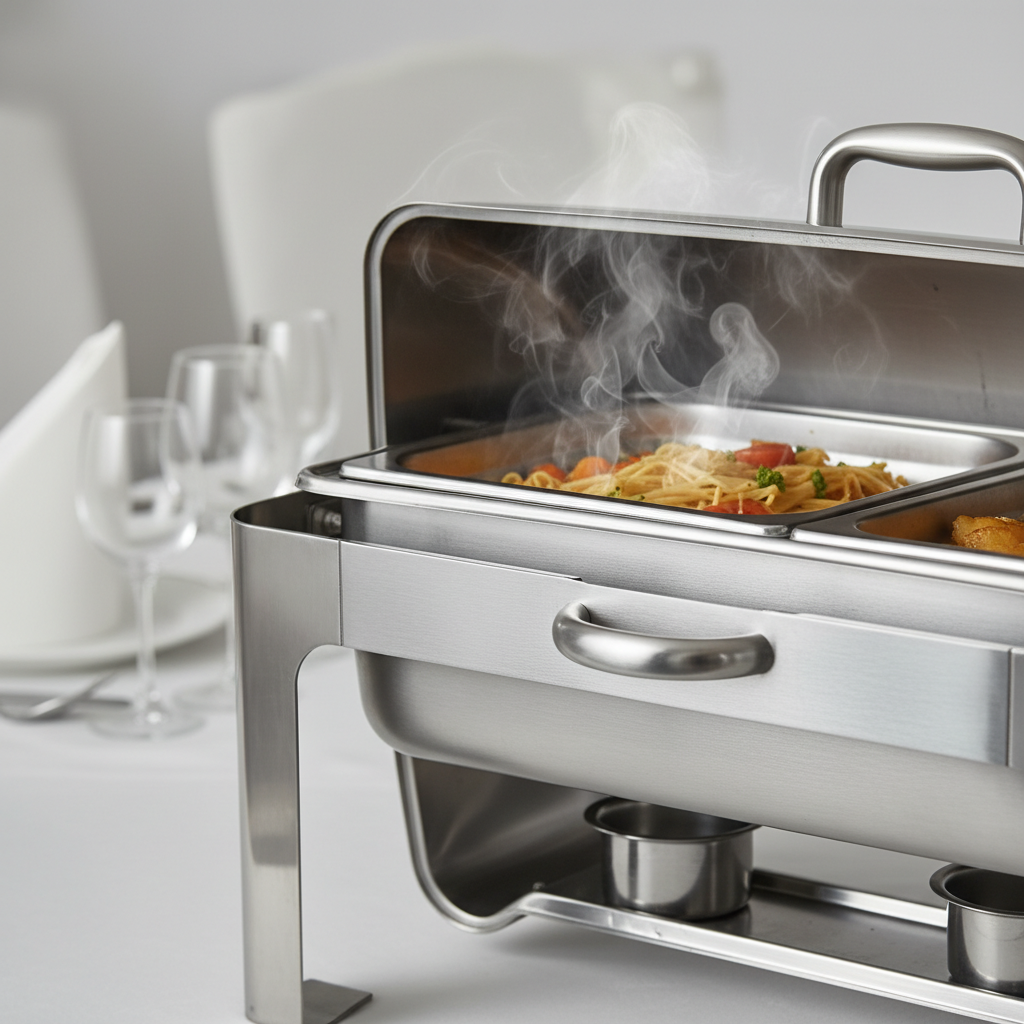
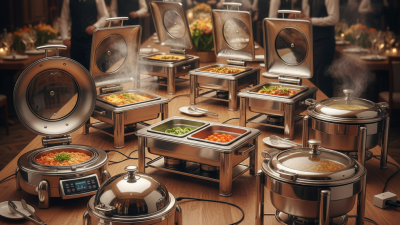
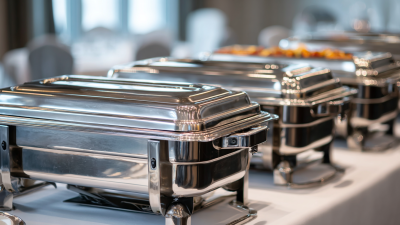
When selecting a high-quality stainless steel chafer, several key features should be prioritized. First, consider the material thickness, as thicker stainless steel provides better durability and resistance to warping, ensuring longevity even with frequent use. The finish is equally important; a brushed finish can disguise scratches and fingerprints while enhancing the overall aesthetic, making it suitable for both casual and formal settings.

Another essential aspect to evaluate is the chafer's heat retention capabilities. Look for models that include well-designed lids and secure locking mechanisms, which work together to keep food warm for extended periods. Additionally, functionality should not be overlooked; features such as easy-to-handle lift-off lids, stable frames, and integrated fuel holders will significantly enhance your catering experience, allowing for smooth service and presentation. Ensuring these elements are present will help you choose the best chafer to meet your needs effectively.

Understanding the Different Types of Stainless Steel Used in Chafers

When selecting the best stainless steel chafer, understanding the different types of stainless steel used in their construction is critical. The most common grades are 430 and 18/10 stainless steel. Grade 430 is magnetic, less expensive, and offers decent resistance to corrosion, making it suitable for less demanding environments. However, its durability and aesthetic appeal may not match higher-grade options.

On the other hand, 18/10 stainless steel, which contains 18% chromium and 10% nickel, is often favored for chafers used in catering and restaurants. This grade provides superior resistance to rust and corrosion while maintaining a polished finish that withstands the rigors of service. Its non-reactive nature ensures that food retains its flavors and freshness. Additionally, 18/10 stainless steel is easier to clean and maintain, making it a long-lasting investment for anyone in the food service industry. Understanding these distinctions can guide buyers towards selecting a chafer that meets their specific needs and enhances their catering experience.

10 Essential Tips for Choosing the Best Stainless Steel Chafer - Understanding the Different Types of Stainless Steel Used in Chafers

Type of Stainless Steel Corrosion Resistance Durability Heat Retention Price Range (USD)
304 Stainless Steel Excellent High Good $50 - $150
316 Stainless Steel Superior Very High Excellent $100 - $300
430 Stainless Steel Moderate Medium Fair $30 - $100
201 Stainless Steel Fair Low Low $20 - $70

Evaluating Insulation Performance and Heat Retention in Chafers

When evaluating insulation performance and heat retention in stainless steel chafers, several critical factors come into play. High-quality chafers are engineered with double-walled construction, which not only enhances durability but also significantly improves thermal efficiency. According to industry reports, chafers with superior insulation can retain heat for approximately 5-6 hours longer than their lower-quality counterparts. This extended heat retention is especially crucial for buffet-style setups where maintaining food temperature is essential for both safety and customer satisfaction.

Another vital aspect to consider is the type of insulation material used. Models that incorporate polyurethane or similar materials tend to outperform traditional fiberglass insulation, offering up to 25% greater heat retention. Additionally, the lid design plays a significant role in insulation effectiveness; chafers featuring tight-fitting lids with seals can reduce heat loss by as much as 30%. Ensuring that chosen chafers meet these criteria will enhance the dining experience while reducing the frequency of reheating, ultimately leading to greater operational efficiency in food service settings.

Comparative Analysis of Price Range and Value for Stainless Steel Chafers

When choosing the best stainless steel chafer, understanding the comparative analysis of price range and value is crucial. Stainless steel chafers can vary significantly in price, often influenced by brand reputation, material quality, and design features. While lower-priced options might seem appealing, they may lack durability or insulation efficiency, leading to longer-term dissatisfaction. Investing a bit more in a high-quality chafer typically pays off in terms of longevity and performance, particularly in commercial settings where reliability is key.

One essential tip is to check for the type of stainless steel used. Higher-grade stainless steel, such as 18/10, offers better resistance to corrosion and staining, ensuring that your chafer remains attractive and functional over time. Additionally, consider the warranty and customer support services that come with the product; these factors can significantly impact your overall experience and satisfaction with the chafer.

Another tip is to assess the chafer's design features, like the presence of a water pan for heat retention and adjustable lids for added convenience. While basic models may be more affordable, advanced features can enhance usability and presentation. Therefore, it’s essential to balance the initial cost with the long-term benefits each chafer provides.

Maintenance Tips to Ensure Longevity of Stainless Steel Chafers in Catering

10 Essential Tips for Choosing the Best Stainless Steel Chafer

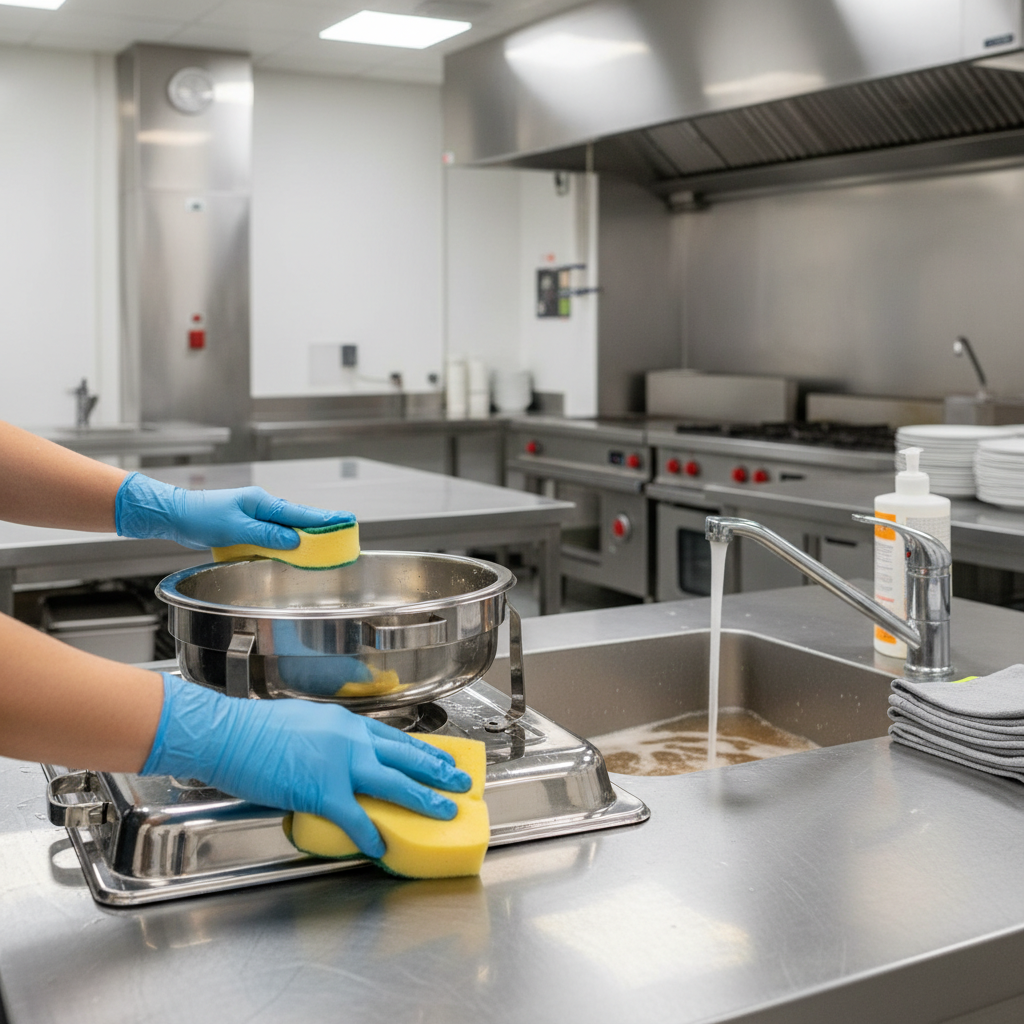
Maintaining stainless steel chafers is crucial for their longevity and performance in the catering industry. According to a report by the Foodservice Equipment & Supplies (FE&S) magazine, properly maintained equipment can last up to 60% longer than neglected items. To ensure your stainless steel chafers remain in excellent condition, routine cleaning is imperative. After each use, chafers should be washed with warm soapy water and a non-abrasive sponge to avoid scratching the surface. Additionally, regular polishing with a stainless steel cleaner can help prevent tarnishing and restore their shine, thus enhancing their appearance for future events.

Another important aspect of maintenance is proper storage. A study by the National Association of Catering Executives suggests that chafers stored in a cool, dry place, away from direct sunlight, experience significantly less warping and corrosion. When stacking chafers for storage, it's advisable to place protective liners between them to prevent scratches. Moreover, inspecting the chafer components, such as the fuel holders and hinges, should be done periodically to identify any wear and tear early, ensuring that all parts function effectively during catering services. By integrating these maintenance tips, caterers can maximize the lifespan of their stainless steel chafers, ultimately leading to greater cost savings and quality service delivery.