Why Choosing the Right Food Tongs Can Enhance Your Cooking Experience
When it comes to enhancing your cooking experience, the tools you use play a pivotal role. One often-overlooked kitchen essential is food tongs. These versatile utensils are not just for flipping burgers or serving salads; they can significantly improve your efficiency and safety in the kitchen. Choosing the right food tongs can elevate your culinary skills, making your cooking process smoother and more enjoyable.
In this article, we'll explore the various types of food tongs available on the market, highlighting their unique features and functionalities. From silicone-coated tongs that prevent scratches on non-stick pans to stainless steel options that offer durability and heat resistance, selecting the right pair can make all the difference. We'll also share practical tips to help you choose the best food tongs for your cooking style, ensuring that you enjoy the full benefits of this indispensable kitchen tool.
Whether you’re a casual home cook or an aspiring chef, understanding the importance of food tongs in your culinary arsenal is vital. By investing time in finding the right pair, you can enhance not only your cooking efficiency but also your overall kitchen experience. Get ready to discover how the right food tongs can become your best kitchen companion!
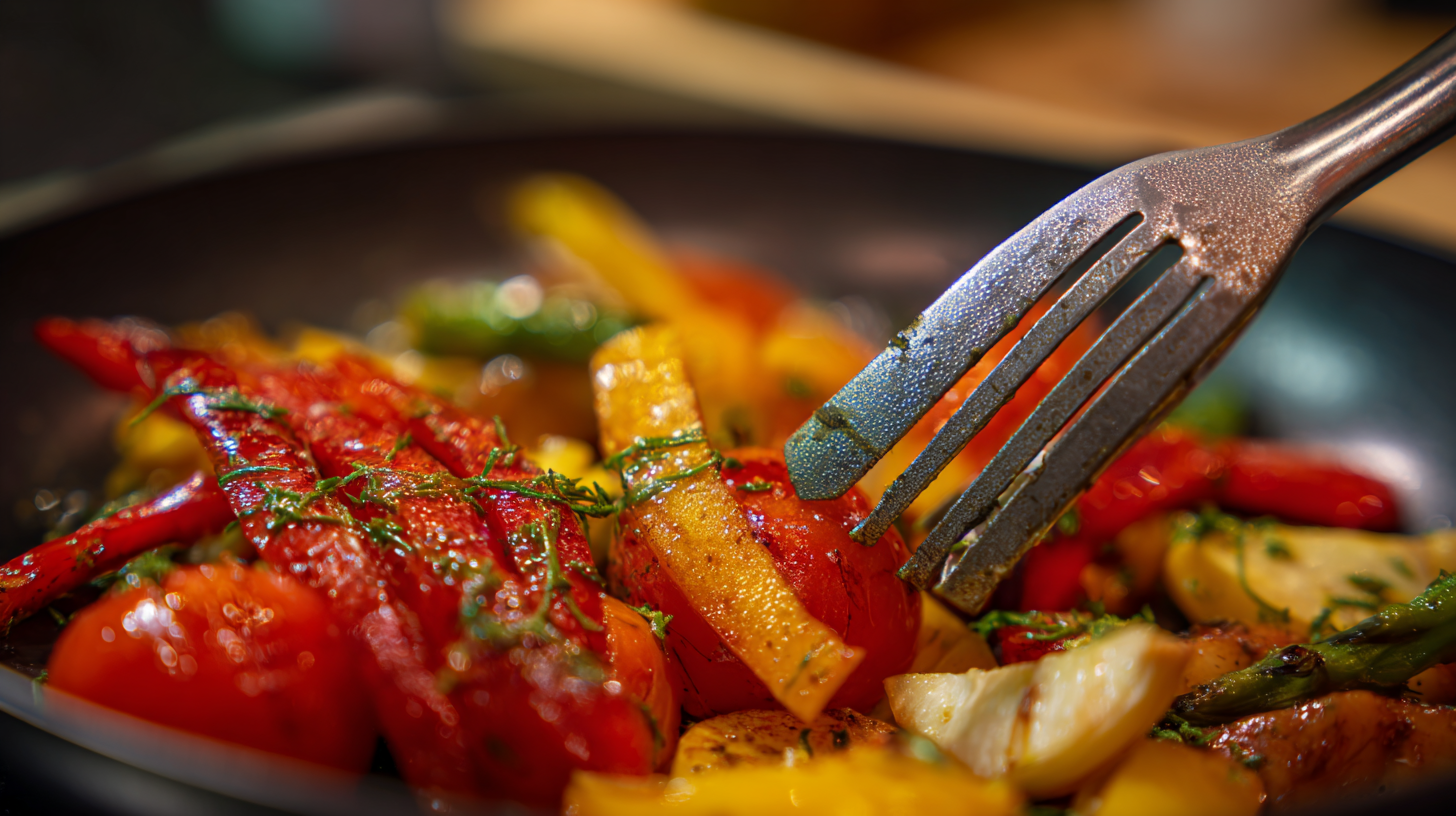
Importance of Food Tongs in Culinary Practices
Food tongs play a crucial role in culinary practices, serving as an essential tool for both professional chefs and home cooks alike. Their primary function is to provide a safe and efficient way to handle hot or delicate foods, reducing the risk of burns and accidents in the kitchen. With various designs and materials available, food tongs can enhance precision in food preparation and presentation, allowing cooks to grasp items without damaging them. For instance, silicone-tipped tongs are ideal for cooking with non-stick cookware, as they prevent scratches while providing a secure grip.
Beyond safety, the importance of food tongs extends to improving sanitation and convenience in food handling. Using tongs instead of fingers or forks helps minimize contact with food, promoting a cleaner cooking environment. Moreover, the ergonomic design of many tongs makes it easy to maneuver ingredients, whether tossing a salad, turning meat on the grill, or serving pasta. This versatility makes tongs an invaluable asset in the kitchen, as they can cater to a wide range of cooking styles and recipes, ultimately enriching the cooking experience.
Why Choosing the Right Food Tongs Can Enhance Your Cooking Experience - Importance of Food Tongs in Culinary Practices
| Type of Food Tongs |
Material |
Heat Resistance (°C) |
Best Use Case |
Ease of Cleaning |
| Silicone Tongs |
Silicone |
230 |
Grilling, Serving |
Dishwasher safe |
| Stainless Steel Tongs |
Stainless Steel |
260 |
Frying, Braising |
Easy to hand wash |
| Wooden Tongs |
Wood |
150 |
Salads, Delicate Foods |
Requires hand washing |
| Plastic Tongs |
Plastic |
180 |
Serving, Cold Foods |
Dishwasher safe |
Types of Food Tongs: Materials and Functions
When it comes to kitchen tools, food tongs are often underestimated despite their
versatility and importance. They come in various materials, each tailored for specific cooking needs.
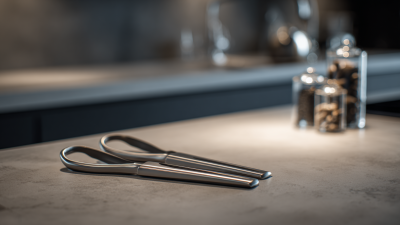
Stainless steel tongs are a popular choice due to their
durability and resistance to rust. They provide excellent grip and are perfect for flipping meats or tossing salads.
Silicone-tipped tongs are favored for their gentleness, as they won't scratch non-stick surfaces
while still offering a firm hold on delicate items like grilled vegetables.
In addition to material, the function of food tongs can significantly affect your cooking experience.
Locking tongs are a convenient option for storage and portability,
while long-handled tongs are essential for safety, allowing you to reach into hot pots or grills
without burning yourself. For specialized tasks, such as serving pasta, tongs with a curved design
can help in scooping and serving with ease. By understanding the types and functions of food tongs, home cooks can select the right tool that
not only enhances their efficiency but also elevates the overall cooking experience.
How the Right Food Tongs Improve Safety and Efficiency
The right food tongs can significantly improve safety and efficiency in the kitchen, particularly as they relate to food handling and cooking techniques. According to a report by the National Safety Council, improper handling of hot foods can lead to serious burns, accounting for nearly 30% of kitchen-related injuries. Choosing tongs that offer heat resistance and a firm grip can minimize these risks, allowing chefs to maneuver hot items with confidence.
When selecting tongs, consider those made from heat-resistant materials like silicone or stainless steel, which not only withstand high temperatures but also prevent accidental burns. Research indicates that tongs with a locking mechanism are 20% more effective in controlling food placement, demonstrating how a simple design feature can enhance performance.
Tips: Always choose tongs that fit comfortably in your hand to improve control and reduce the risk of dropping hot food. Additionally, look for tongs with a wide, flat gripping surface for better stability and to minimize the chances of food slipping. Regularly inspect your tongs for wear and tear, as damaged tools can compromise both safety and efficiency while cooking.
Selecting the Perfect Food Tongs for Your Cooking Needs
Selecting the perfect food tongs is essential for any cooking enthusiast looking to enhance their culinary experience. According to a survey conducted by the American Culinary Federation, 74% of professional chefs cite high-quality tools as one of the top contributors to overall kitchen efficiency. Food tongs, with their versatility and ease of use, play a pivotal role in this equation. Whether you're flipping meat on the grill or tossing salads, the right pair of tongs can vastly improve precision and control, allowing chefs to focus more on the finer nuances of their dishes.
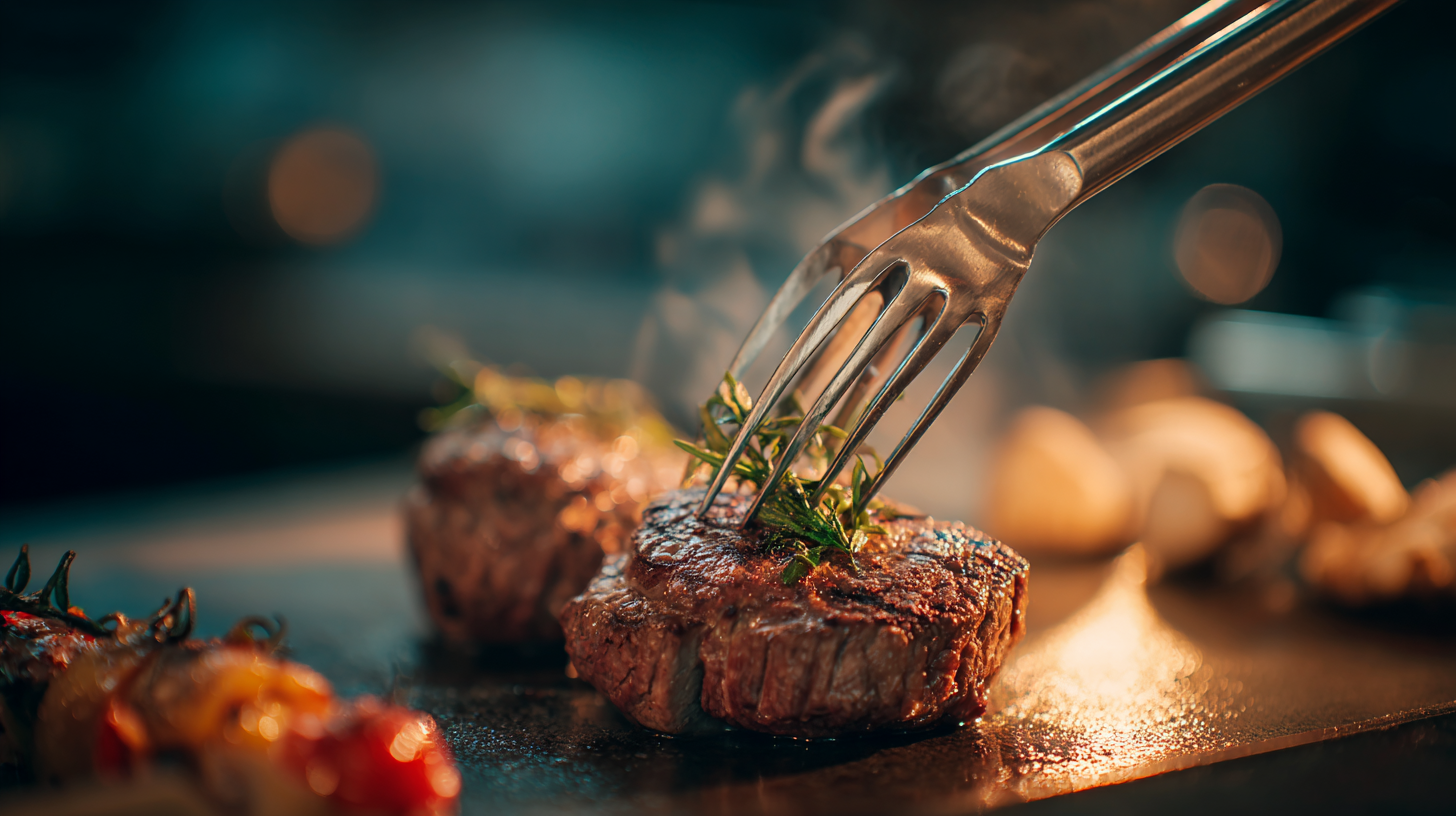
When choosing food tongs, consider factors such as material, length, and grip. A study by the Kitchenware Manufacturers Association reveals that stainless steel tongs are preferred by 65% of culinary professionals due to their durability and heat resistance. Additionally, the right length matters: tongs around 12 to 15 inches provide enough reach to keep a safe distance from heat sources while still offering excellent maneuverability. Moreover, having a slip-resistant grip can significantly reduce the risk of dropping hot food. Investing time in selecting the perfect food tongs not only elevates your cooking game but also promotes a safer and more enjoyable kitchen environment.
Tips for Maintaining and Caring for Your Food Tongs
When it comes to maintaining and caring for your food tongs, proper practices can significantly extend their lifespan and ensure safe cooking. Always start by cleaning your tongs immediately after use. If they are dishwasher safe, you can simply place them in the dishwasher. However, if they are made from materials like wood or specific types of silicone, hand-washing with mild soap and warm water is the safest option. Avoid soaking them for long periods to prevent damage to their structural integrity.
Storing your food tongs correctly is also crucial. Keep them in a dry place, avoiding areas where they may be exposed to moisture or extreme heat, which can warp them over time. Additionally, if your tongs have silicone heads, be mindful not to use them over high temperatures in direct contact with flame to maintain their shape and effectiveness. Regularly checking for signs of wear or damage will help you catch any issues early, ensuring your cooking experience remains enjoyable and safe.