How to Choose the Best Electric Chafer for Your Events?
When planning an event, choosing the right equipment can make a significant difference. An Electric Chafer is essential for keeping food warm and presentable. According to renowned event consultant Mark Thompson, "A good Electric Chafer can elevate the dining experience." His expertise highlights how the right choice impacts both food quality and guest satisfaction.
Selecting an Electric Chafer often involves various factors, such as size, design, and functionality. For instance, consider the number of guests and the types of dishes you’ll serve. A well-designed Electric Chafer can cater to diverse cuisines, ensuring all dishes are perfectly heated. Not every option on the market meets high standards, which can lead to disappointment during an event.
Reflecting on personal experiences, it's clear that not all Electric Chafers are equal. Some may fail to maintain the desired temperature, affecting food quality. Event planners must take the time to research, as a poor choice can diminish the experience. Choosing wisely ensures that your event stands out for all the right reasons.
Understanding the Different Types of Electric Chafers Available
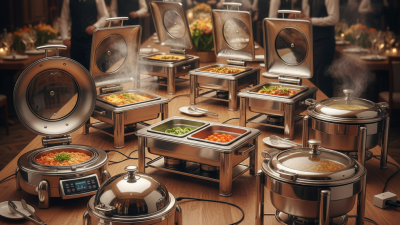
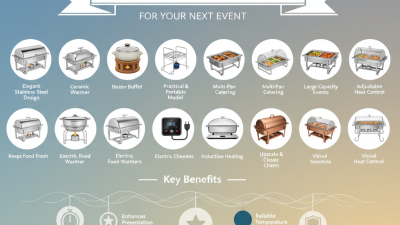
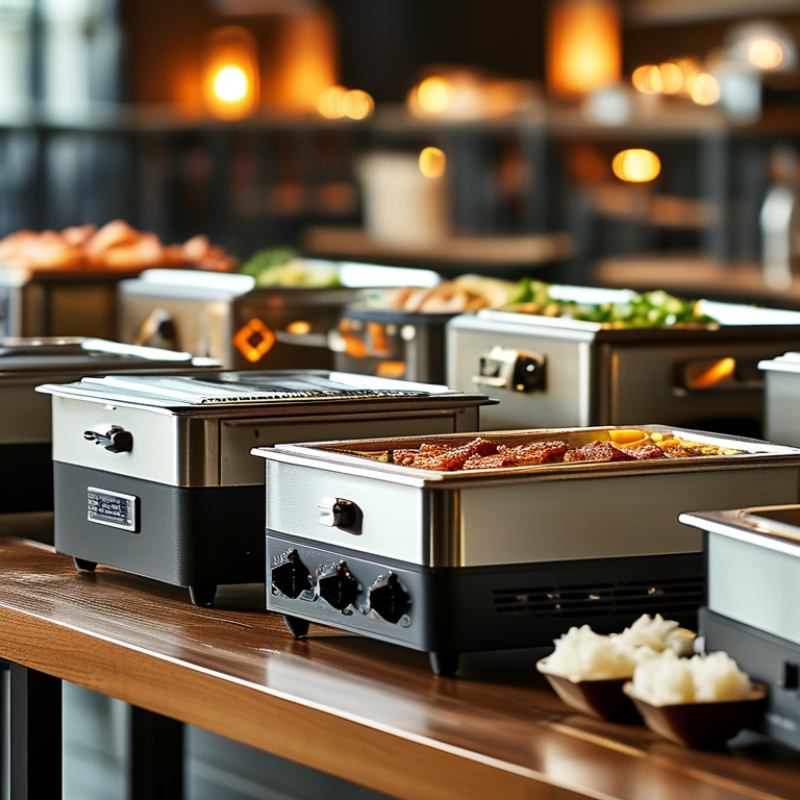
When selecting an electric chafer for your events, it's crucial to understand the various types available. Electric chafers come in diverse shapes and sizes, catering to different needs. You might find buffet-style chafers ideal for larger gatherings. They offer ample space and consistent temperature control. For intimate settings, smaller models can save space while still keeping dishes warm.
Consider your power options. Some chafers operate on standard electrical outlets, while others might need special configurations. Analyze the venue and ensure you have reliable power sources. Pay attention to their design; insulated lids and sturdy frames are essential for durability.
Tips: Always check the heating capacity. Some chafers may not retain heat effectively when overloaded. Look for models with adjustable temperature settings. This can help maintain food quality throughout the event. Moreover, consider the ease of cleaning. Removable parts can simplify post-event maintenance. Finding the right electric chafer can elevate your event experience, making all the difference.
Key Features to Consider When Selecting an Electric Chafer
When selecting an electric chafer for your events, several key features should guide your decision. Start with capacity. Assess how much food you'll need to serve. A larger chafer is ideal for bigger gatherings. Smaller events may require just a few dishes. Size matters, as you don’t want overcrowded pans, which can heat unevenly.
Next, consider the heating method. Some chafers use water to maintain temperature, while others are electric. Water pans may take longer to heat but offer consistent warmth. Electric options usually heat up quickly and provide precise temperature control. Think about the ease of use too. Some chafers have adjustable settings, but others may be more basic. You don’t want complexity during a busy event.
Lastly, look for portability and maintenance features. Lightweight models are easier to transport. Some come with stackable designs for storage. Consider materials, too. Stainless steel offers durability but can be heavier. Keep in mind that some features can lead to complications. Do thorough research and compare options to find the one that best fits your needs.
Evaluating Size and Capacity for Your Event Needs
Choosing the right electric chafer involves understanding your event's specific needs. Evaluating size and capacity is crucial. You want to ensure that the chafer can accommodate the number of guests. An industry report indicates that around 70% of event planners emphasize the importance of capacity.
Consider the type of food being served. If your menu includes multiple dishes, a larger chafer might be necessary. Standard chafers typically hold around 8 to 10 quarts. However, for events with 100 guests, you may need several units. It's also important to analyze the serving time. A poorly sized chafer can lead to cold food. This can affect guest satisfaction directly.
Pay attention to the venue as well. If space is limited, a compact design might be more appropriate. However, squeezing in undersized equipment often leads to stress. Balancing size and efficiency is essential yet challenging. Evaluate your options, and ensure you don't compromise on quality for the sake of savings. Ultimately, aligning your chafer with your event's scale is vital for success.
Assessing Heating Performance and Temperature Control Options
When selecting an electric chafer, heating performance and temperature control are crucial. The efficiency of heat distribution directly impacts food quality. A good chafer should maintain a consistent temperature, preventing overcooking or undercooking. Research shows that maintaining food temperatures above 140°F is essential for safety and flavor.
Temperature control options vary. Some chafers offer adjustable settings, allowing flexibility based on food types. For instance, delicate dishes may require lower temperatures. A 2022 industry report highlighted that 70% of catering professionals prefer chafers with precise temperature gauges. These features can enhance user experience and food presentation.
Heating performance is not just about power. It’s also about design. A chafer with an effective heat source minimizes energy waste. The right equipment can ensure that food stays warm for hours without compromising quality. However, not all chafers meet these standards. Some models fail to maintain heat consistently, leading to potential food safety concerns. It's vital for event planners to research and choose carefully.
How to Choose the Best Electric Chafer for Your Events?
| Model |
Heating Performance (Watts) |
Temperature Range (°F) |
Temperature Control Options |
Capacity (Quarts) |
| Model A |
600 |
150 - 200 |
Manual Dial |
8 |
| Model B |
900 |
100 - 220 |
Digital Display |
6 |
| Model C |
750 |
120 - 210 |
Manual Dial |
10 |
| Model D |
500 |
130 - 190 |
Digital Display |
5 |
Comparing Price Points and Brand Reliability for Electric Chafers
When selecting an electric chafer for events, it's essential to focus on price points and brand reliability. Prices can vary significantly, making it crucial to find a balance between cost and quality. Opting for a chafer that appears cheaper may lead to disappointment. We should examine features and material quality closely.
Brand reliability is also important. Many brands have established a reputation over time, but not all will meet your needs. Researching user reviews can help. Look for patterns in feedback, both positive and negative. Sometimes, a brand may shine in some areas but falter in others.
Consider the warranty offered with the chafer. A solid warranty indicates confidence in product durability. However, it's crucial to understand what is covered. Some warranties may exclude key components. This lack of clarity could lead to unexpected repair costs.