How to Choose the Best Thermal Soup Pot for Your Kitchen?
Choosing the right Thermal Soup Pot can elevate your cooking experience significantly. With various options available, it can be overwhelming. You want a pot that keeps your soup warm for hours, but how do you ensure you make the right choice?
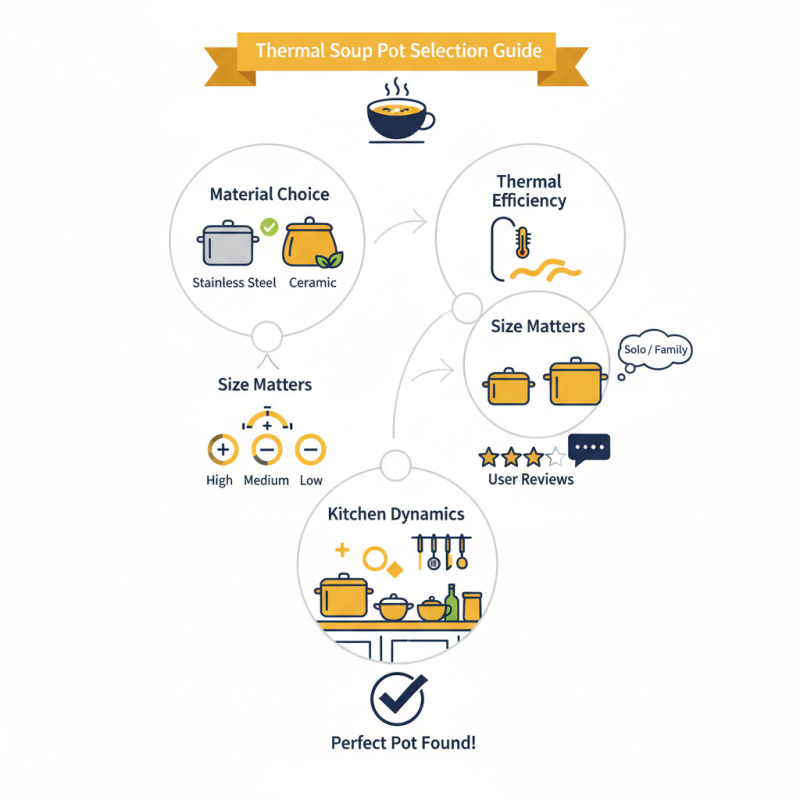
Consider the material. Stainless steel or ceramic? Each has its pros and cons. Look for thermal efficiency as a priority. A good pot should maintain temperature without constant reheating. Check reviews to see how others rate their thermal soup pots.
Also, think about size. Do you often cook for large gatherings or just for yourself? Sometimes we underestimate our needs. A larger pot can offer versatility but may take up more space. Make a thoughtful decision based on your kitchen dynamics. With these considerations, finding the perfect thermal soup pot can become a rewarding pursuit.
Understanding the Different Types of Thermal Soup Pots Available
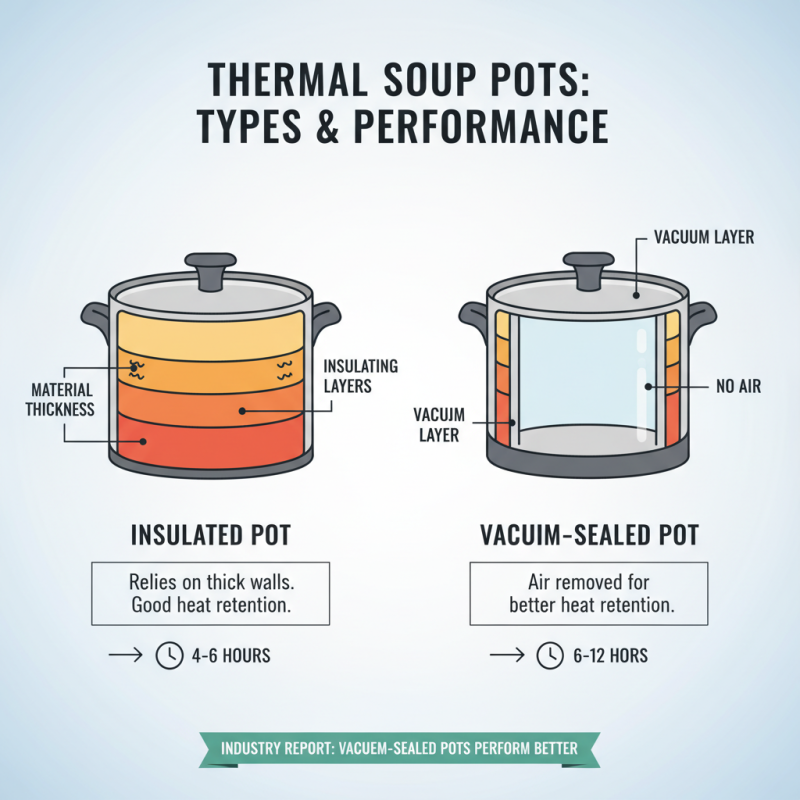
When choosing a thermal soup pot, understanding the types available is crucial. There are primarily two types: insulated and vacuum-sealed pots. Insulated pots keep your soup warm through thickness and material. Vacuum-sealed pots differ by eliminating air, offering better heat retention. According to a recent industry report, vacuum-sealed pots maintain temperature for 6-12 hours, outperforming their insulated counterparts.
Material plays a vital role in heat retention. Stainless steel is a popular choice for durability, but it can lose heat faster than ceramic. A study revealed that ceramic pots hold heat better, though they may be heavier. Comfort and portability are also essential; heavy pots may not be suitable for everyone. Look for handles that balance weight.
While evaluating your options, don't overlook size. A smaller pot may seem easier to manage but could limit serving sizes. A larger pot can feel unwieldy. Memorable experiences often come from a pot that’s just right. Observe your cooking habits; do you make soups frequently or occasionally? Understanding your needs guides the decision.
Key Features to Consider When Choosing a Thermal Soup Pot
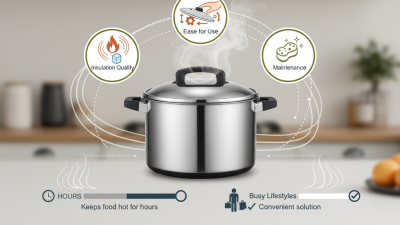
Choosing the right thermal soup pot can significantly impact your cooking experience. Key features to consider include insulation effectiveness, material quality, size, and ease of use. According to a recent industry report, over 70% of consumers prioritize insulation when selecting kitchenware. Effective insulation keeps food hot for extended periods, enhancing both taste and safety.
Material matters too. Stainless steel is a popular choice due to its durability and resistance to stains. However, some pots also use double-wall vacuum technology. This innovative design can maintain temperature for hours. Research shows that pots with such technology can keep soups hot for up to 8 hours. When selecting, check the pot's weight; a heavier pot often indicates better insulation.
Size is another important consideration. Smaller pots can be convenient for single servings. However, larger capacities are ideal for families. Finding the balance can be challenging. Some users might prefer one pot size but struggle with portion control. Lastly, assess ease of cleaning. Pots with wide openings and non-stick surfaces simplify maintenance. Also, remember that not all pots are dishwasher safe. This detail can affect your daily routine and will require reflection on your needs.
Materials and Durability: What to Look For in a Soup Pot
When choosing a thermal soup pot, materials and durability are essential factors. Common materials include stainless steel, aluminum, and ceramic. Stainless steel is often preferred for its strength and long lifespan. According to a report by the Association of Kitchenware Manufacturers, stainless steel pots can last 10-15 years with proper care. They resist rust and provide even heating.
Aluminum pots are lighter and conduct heat well. However, they may not be as durable as stainless steel. Some users report that aluminum can warp over time. Ceramic pots, on the other hand, offer excellent insulation. They keep soups warm for hours. Yet, they can chip or crack relatively easily, posing a potential concern for longevity.
Tip: Always check the pot’s thickness. Thicker materials generally indicate better durability. Look for pots with reinforced handles to avoid breakage. Keep in mind that while price is important, investing in a high-quality pot can save money in the long run. Remember, frequent replacements will add up. Crafting a warm soup experience requires a reliable pot. Focus on materials that suit your cooking style while ensuring they don’t compromise your kitchen’s aesthetics.
Comparison of Soup Pot Materials
This chart illustrates the durability ratings of various soup pot materials. Stainless steel and cast iron rank high for durability, making them excellent choices for long-term use in your kitchen.
Size and Capacity: Finding the Right Fit for Your Kitchen Needs
When selecting a thermal soup pot, size and capacity are crucial. Think about how much soup you usually make. A small family might need a pot that holds around 2 liters. For larger gatherings, consider pots with a 4 to 6-liter capacity. Size influences cooking time too. A larger pot takes longer to heat up and can alter the final flavor.
Consider your kitchen space as well. A big pot looks appealing but may not fit in your cupboard. Some pots can be cumbersome to wash. Do you have a setup to store it conveniently? Always measure your storage before making a choice. It’s easy to overlook how a pot’s size will impact your kitchen routine.
Another aspect to note is the ergonomic design. A heavy pot can be difficult to lift when full. Ensure the handles are comfortable and sturdy too. Your comfort is important for safe cooking. Be mindful of how you'll transition from stovetop to serving. A pot that’s too big may lead to spills. Reflect on these details before making your final purchase.
How to Choose the Best Thermal Soup Pot for Your Kitchen? - Size and Capacity: Finding the Right Fit for Your Kitchen Needs
| Pot Size (L) |
Ideal Servings |
Material |
Weight (kg) |
| 1.5 |
2-3 |
Stainless Steel |
1.2 |
| 2.5 |
4-5 |
Aluminum |
1.5 |
| 3.5 |
6-7 |
Ceramic |
2.0 |
| 5.0 |
8-10 |
Cast Iron |
3.5 |
| 6.0 |
10-12 |
Glass |
2.8 |
Budgeting for Quality: How Much Should You Spend on a Thermal Soup Pot?
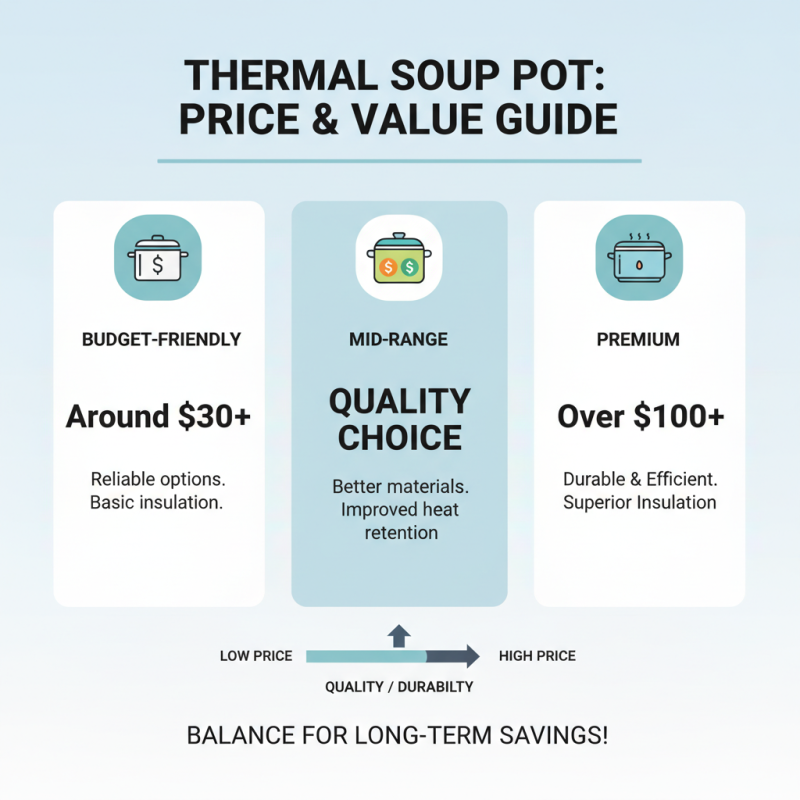
When considering how much to spend on a thermal soup pot, it’s essential to find a balance between quality and budget. A good thermal soup pot can range from affordable options to high-end models. You can find reliable pots starting around $30, while premium models may cost over $100. The price often reflects the materials and insulation quality. Investing in a durable pot can pay off over time.
Reflecting on your daily cooking habits can help you determine what to spend. If you use the pot frequently, it’s wise to invest a bit more. Consider the size you need; smaller pots usually cost less. On the other hand, larger pots may be pricier but offer more versatility. Explore the features you value. Some pots have better insulation, while others might focus on ease of cleaning.
While shopping, it’s easy to get caught up in brand names or flashy designs. Yet, the core function is essential. You want a pot that retains heat effectively without breaking the bank. It's okay to feel overwhelmed. Take your time to compare options. Research deeply before making a decision. This will lead you to a thermal soup pot that satisfies your needs and aligns with your budget.