How to Choose the Best Chafing Dish Warmer for Your Events?
Choosing the right chafing dish warmer is essential for any event. A well-chosen warmer enhances food presentation and maintains optimal temperatures. According to industry reports, 70% of event planners consider food safety and quality their top priority. A reliable chafing dish warmer ensures that dishes remain at safe serving temperatures, crucial for guest satisfaction.
Event planners often face challenges in selecting equipment. Not all chafing dish warmers are created equal. Factors like heating efficiency, design, and durability matter. A recent study showed that 58% of planners encounter issues with maintaining temperature consistency. This leads to unsatisfactory dining experiences, which is not acceptable.
Investing in a quality chafing dish warmer can significantly affect event success. Detailed research is imperative before making a decision. An informed choice not only impacts food quality but also reflects on your professionalism. Balancing budget constraints and quality is essential for optimal results.
Factors to Consider When Choosing a Chafing Dish Warmer
When selecting a chafing dish warmer, consider size and capacity. Ensure it fits your serving needs. A larger dish accommodates more food. Smaller gatherings may need less capacity. Visualize your buffet layout. Will the dish complement the arrangement or crowd the table? Finding the right balance is crucial.
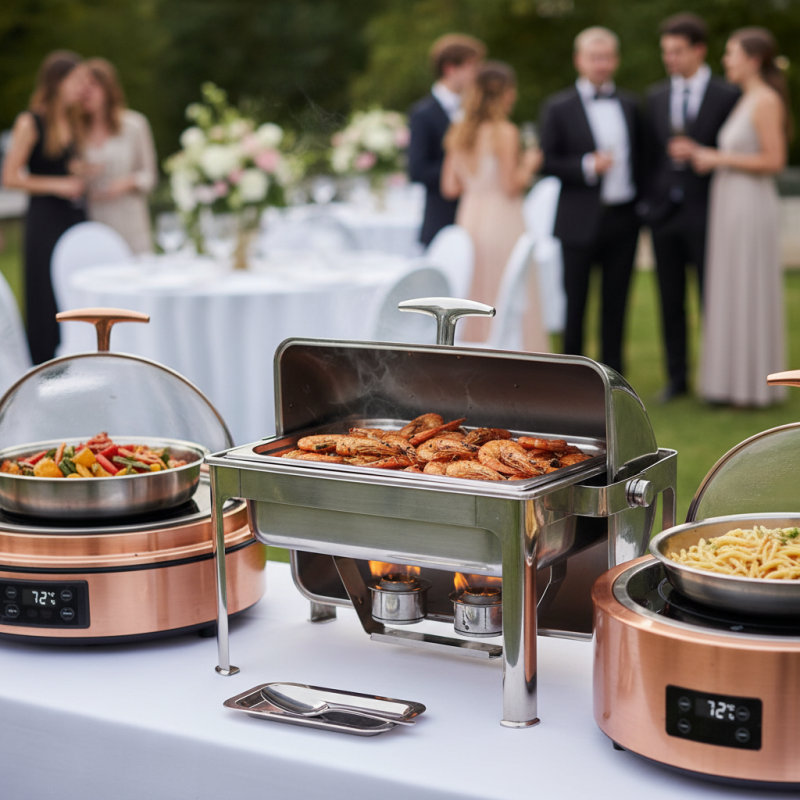
Next, think about fuel type. Some warmers use a water bath, while others rely on sterno fuel or electric zones. Each type has pros and cons. Water baths provide consistent warmth. But they might not be portable. Sterno fuel offers flexibility but requires monitoring. Carefully weigh your event's needs.
Lastly, evaluate materials used for durability. Stainless steel is popular for its sturdiness and ease of cleaning. Look for features like detachable lids for storage. However, consider the weight. Heavier models may be tougher to move. Reflect on your situation. Balancing durability with portability can lead to mistakes if overlooked.
How to Choose the Best Chafing Dish Warmer for Your Events?
| Feature |
Description |
Considerations |
| Size |
Choose a size that suits the number of guests and amount of food. |
Consider both capacity and your serving area. |
| Material |
Common materials include stainless steel, aluminum, or plastic. |
Stainless steel is durable and easy to clean. |
| Heat Source |
Chafing dishes can be heated using chafing fuel, electricity, or induction. |
Consider accessibility of electrical outlets and fuel availability. |
| Design |
Stylish designs enhance the presentation of food. |
Consider the theme of your event. |
| Price Range |
Chafing dishes range from budget options to high-end models. |
Set your budget before shopping. |
| Ease of Use |
Look for features like easy setup and accessible controls. |
Check user reviews for practical insights. |
Types of Chafing Dish Warmers Available for Events
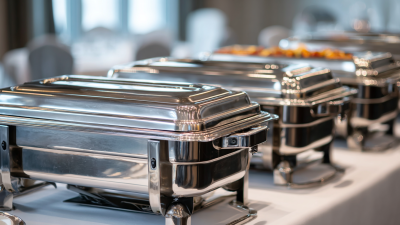
When planning an event, choosing the right chafing dish warmer is crucial. Various types are available, each suited for different needs. Stainless steel warmers are popular for their durability and sleek appearance. They often come with a classic design that complements any event. But, they can be heavy. Make sure you have help for setup and breakdown.
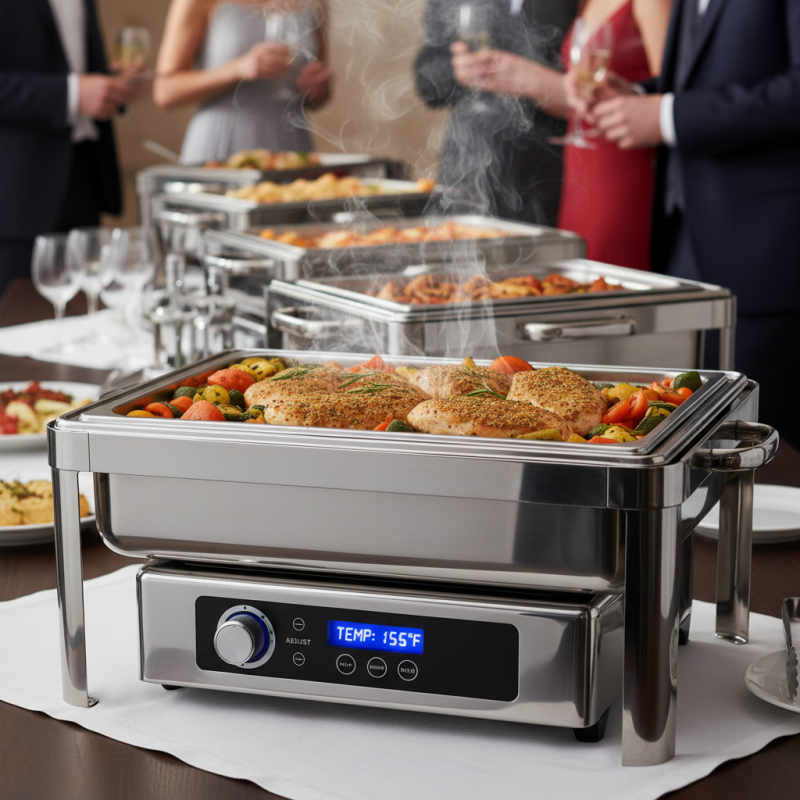
Another option is electric warmers. These are user-friendly and provide consistent heat. They allow for precise temperature control, which is great for keeping food safe. However, they require access to power outlets. Pay attention to the cord length; it can become a trip hazard.
There are also disposable chafing dishes. These are lightweight and convenient for casual gatherings. They save time and reduce clean-up, but they may not hold heat as well. Consider the type of food you'll serve. Some dishes fit better for certain cuisines. Evaluate your choices to ensure they align with your event’s theme and needs.
Evaluating Heating Methods and Efficiency in Chafing Dishes
When selecting a chafing dish warmer, heat methods play a crucial role. There are three common types: electric, fuel-based, and water baths. Each method has its pros and cons. Electric warmers provide consistent heat. They are easy to use, often requiring just a plug. However, they may lack portability, limiting outdoor use.
Fuel-based warmers utilize cans of gel fuel. They are portable and can work anywhere. Yet, controlling the flame can be tricky. This method risks overheating or uneven heating. Water baths are effective for serving dishes that need gentle warmth. They distribute heat evenly, but can be challenging to manage. Water levels need constant monitoring.
Efficiency matters too. A warmer that heats quickly and maintains temperature is ideal. Look for models with good insulation. They conserve energy and save on fuel costs. Take time to evaluate your needs. Consider the type of event and the dishes you'll serve. Reflect on what works for you. Finding the best warmer is about balancing convenience and performance.
Assessing Size and Capacity for Your Specific Event Needs
Choosing the right chafing dish warmer involves careful consideration of size and capacity. This choice is essential for the success of your event. A warmer that is too small may not hold enough food. Conversely, a larger warmer may occupy unnecessary space.
When assessing your needs, think about the number of guests. Each guest typically requires a certain portion of food. Failing to calculate this can lead to shortages. Consider the types of dishes you plan to serve. Some dishes require more space than others.
Tips: Always measure your serving table before purchasing. Ensure there’s room for additional dishes if needed. A mistake here could cause chaos. Additionally, look into stackable models. These save space when not in use.
Pay attention to event timing. Longer events will need larger warmers for continuous heating. Instant access to food keeps guests satisfied. Remember that overthinking sizes can lead to confusion. Prioritize practicality over aesthetics in your selection.
Chafing Dish Size and Capacity for Various Events
Additional Features to Look for in a High-Quality Chafing Dish Warmer
When selecting a high-quality chafing dish warmer, there are several features to consider. Look for adjustable temperature settings. This allows you to easily maintain the ideal serving temperature. Without this feature, food can become too hot or cold. An inconsistent temperature can ruin the dining experience for guests.
Ease of cleaning is also essential. Choose materials that are dishwasher safe. Stainless steel is often a good option. However, some steel can stain if not maintained properly. Check if the dish has removable parts to simplify the cleaning process. If cleaning feels like a chore, it may deter you from using the warmer as often.
Weight can be another important aspect. A lighter chafing dish is easier to transport. Yet, it should still feel sturdy. You don’t want it to tip over during an event. Look for design features that enhance stability. If you overlook these details, you might find your warmer lacking in functionality at crucial moments.