Why You Should Choose a Thermal Soup Pot for Your Cooking Needs?
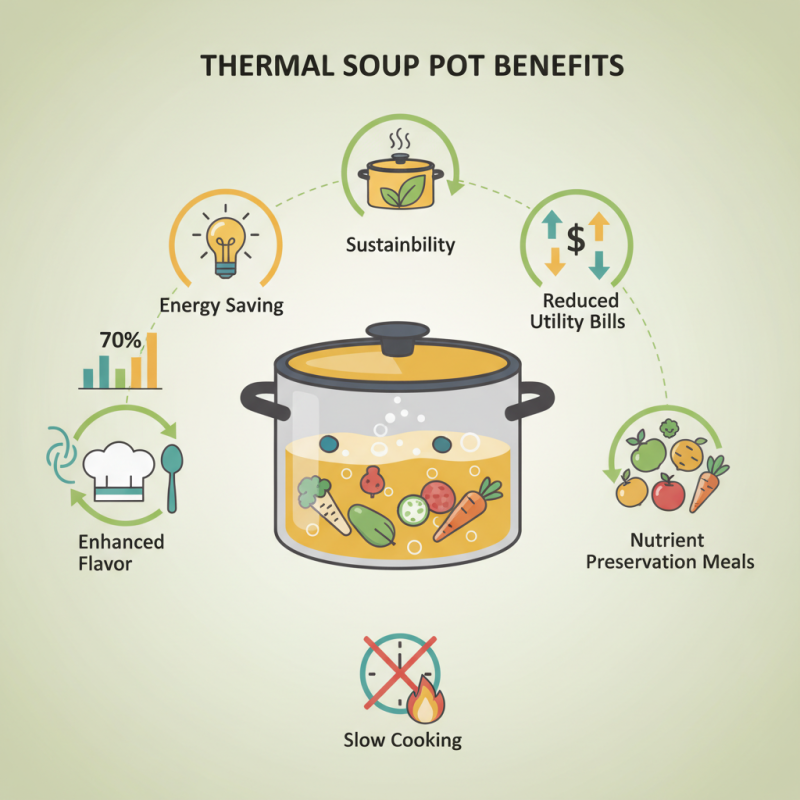
In recent years, the benefits of using a Thermal Soup Pot in kitchens have gained attention. Studies show that thermal cooking can save energy. According to the U.S. Department of Energy, using insulated pots can reduce energy consumption by up to 70%. This not only lowers utility bills but also promotes sustainability.
A Thermal Soup Pot is designed to retain heat, allowing food to cook slowly. This method enhances flavor, making meals richer and more satisfying. Many home cooks report that soups made in these pots have superior taste and texture. Research indicates that thermal cooking preserves more nutrients compared to traditional boiling. This means healthier meals for families.
However, despite these advantages, some may hesitate. They might worry about the initial investment or complexity. Yet, with a bit of practice, these pots can revolutionize everyday cooking. The thermal soup pot is not just a cooking tool; it's a pathway to healthier, energy-efficient meals. Embracing this technology can lead to a delightful culinary experience.
Understanding Thermal Soup Pots and Their Functionality
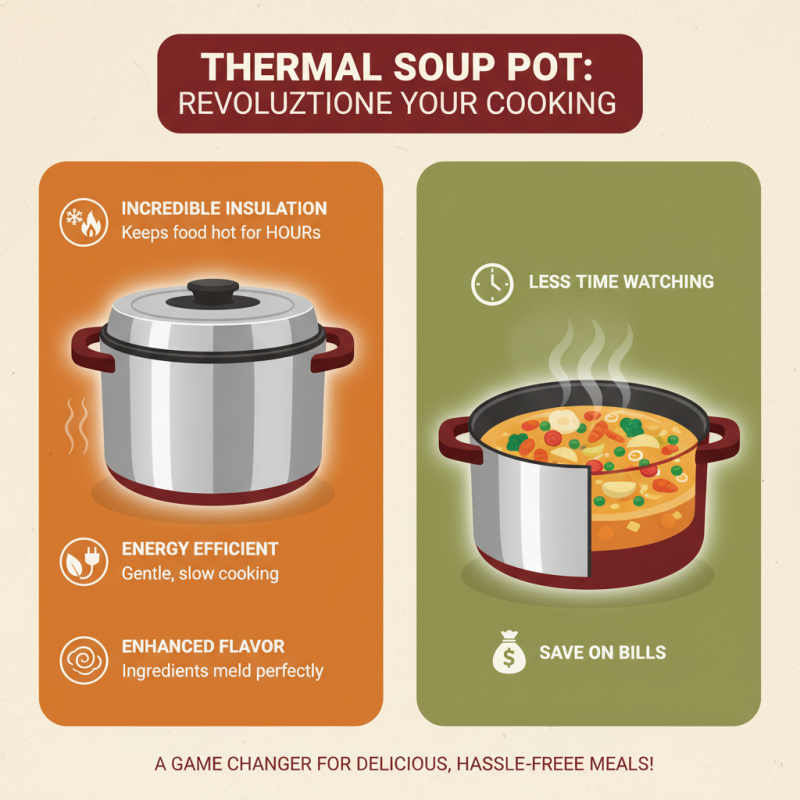
Thermal soup pots are innovative kitchen tools. They work by using insulation to maintain temperature. Once your ingredients are heated, the pot will keep them warm for hours. This feature is especially useful for busy households. You can prepare soup in the morning and enjoy it later without reheating.
The design often features a double-layer structure. The outer layer is usually sturdy, providing durability. The inner layer keeps the soup hot while preventing burns on the outside. Some pots even have a built-in stirring function. This can help ensure even cooking. However, not all thermal pots stir effectively, so users should take note.
Using a thermal soup pot can simplify meal prep. Still, it requires some adjustments. The cooking times and temperatures differ from conventional methods. Some users find it challenging to get the soup just right. Experimentation is needed for optimal results. Embracing the learning curve can lead to delicious discoveries.
Why You Should Choose a Thermal Soup Pot for Your Cooking Needs?
| Feature |
Description |
Benefits |
| Insulation |
Maintains food temperature for several hours. |
Keeps soups hot or cold without heat source, saving energy. |
| Material |
Made from stainless steel or high-quality plastic. |
Durability and resistance to corrosion. |
| Design |
Ergonomic and user-friendly designs. |
Easy handling and pouring. |
| Capacity |
Available in various sizes. |
Accommodates different cooking needs, from small meals to big gatherings. |
| Ease of Cleaning |
Non-stick and smooth surfaces. |
Reduces hassle and time spent washing up. |
Benefits of Using a Thermal Soup Pot in Everyday Cooking
A thermal soup pot is a game changer in everyday cooking. It offers amazing insulation, keeping your soups hot for hours. You can prepare your favorite recipes and leave them to cook gently. This means less energy waste and more flavor development. Picture a hearty vegetable soup, simmering slowly as the ingredients meld together.
Using a thermal soup pot also simplifies meal prep. You don’t have to stand over the stove, constantly stirring. Instead, you can focus on other dishes or relax while dinner cooks itself. Just imagine pouring a warm, comforting bowl of soup after a long day.
However, consider that these pots can sometimes be bulky. Storage might be an issue in smaller kitchens. Additionally, it may take some practice to get timing right. Some recipes need adjustments for perfect results. Yet, the potential rewards are significant. Enjoying a well-cooked meal is worth the effort.
Comparison of Thermal Soup Pots with Traditional Cooking Methods
When considering cooking methods, thermal soup pots stand out for their unique benefits. Unlike traditional cookware that requires constant attention, these pots keep food warm for hours. Imagine simmering a hearty vegetable soup or a delicate chicken broth without watching over it. The heat retention allows flavors to deepen. However, some may find this method lacks the immediate control they desire.
Traditional cooking often involves stirring and timing, which many enjoy. It's hands-on and engaging. Yet, with thermal pots, once you set it up, your work is done. You can walk away and focus on other tasks. This shift can be both liberating and unsettling. You might worry: is it cooking properly? The uncertainty can be challenging.
Moreover, thermal pots can help save energy. They require less power once heated compared to a constant flame. However, they may take longer to reach cooking temperature initially. This can be frustrating for those who prefer quick meal prep. It’s a trade-off that encourages reflection on your cooking style and preferences.
Comparison of Cooking Efficiency: Thermal Soup Pots vs Traditional Methods
Key Features to Consider When Selecting a Thermal Soup Pot
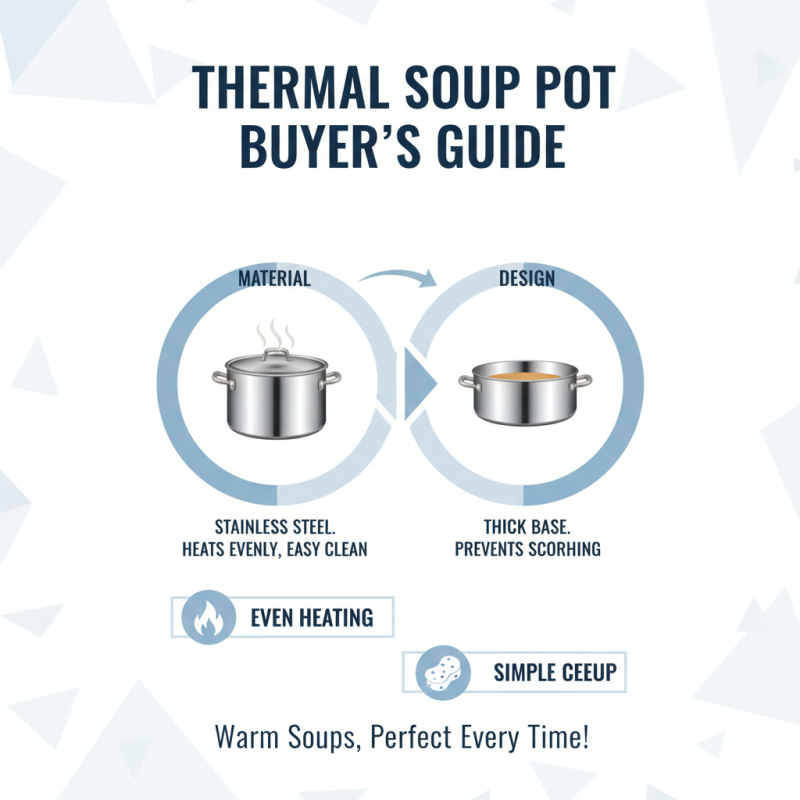
When selecting a thermal soup pot, consider the material. Stainless steel is a popular choice. It holds heat well and is easy to clean. A good pot should also have a thick base. This ensures even heating, reducing the risk of scorching your soup.
Look for a pot with a secure lid. A tight-fitting lid keeps heat in. It also prevents spills when you’re stirring. Some pots come with additional features, such as locking mechanisms. This is helpful, especially if you’re transporting your soup.
Capacity matters too. Choose a size that fits your needs. A larger pot is great for batch cooking, but harder to store. If you live alone, a smaller option may suffice. Think about your kitchen space when making the selection. These details are crucial in finding the right thermal soup pot for you.
Maintenance Tips for Optimal Performance of Your Thermal Soup Pot
Maintaining a thermal soup pot properly is crucial for its longevity and performance. According to industry reports, a well-maintained thermal pot can last up to 10 years longer than poorly cared-for models. One simple tip is to always wash the pot with mild soap after each use. Avoid abrasive cleaners; they can scratch the surface.
Another important aspect is temperature control. Keep your thermal pot away from extreme heat sources. This will help prevent warping and prolong its life. If you notice any unusual smells or discoloration, it’s time to reassess its cleaning routine. Regularly inspect the lid and seals as well. Ensuring a tight seal helps maintain the soup’s temperature, giving better results.
Remember, even with the best care, wear and tear is inevitable. Sudden leaks or loss of heat retention may occur over the years. When this happens, it could mean the pot is nearing the end of its service life. Don’t ignore these signs. A thermal pot is a valuable investment, and taking the time to maintain it will pay off in the long run.