2026 Top Stainless Steel Chafer Trends and Innovations Explained?
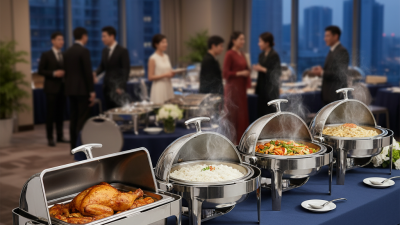
As we approach 2026, the world of catering and food presentation is evolving. One key element taking center stage is the Stainless Steel Chafer. This essential piece of equipment is not just for keeping food warm. It has become a symbol of elegance and functionality in various dining settings.
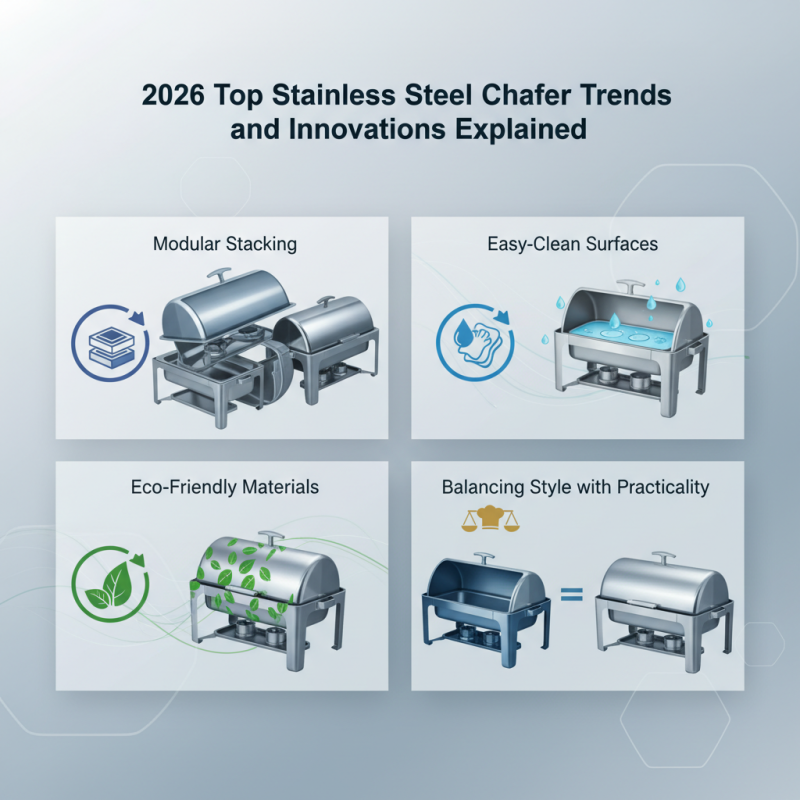
Recent trends show that innovation in Stainless Steel Chafers is more than just aesthetics. Many designs now focus on durability and ease of use. Features like modular stacking and easy-clean surfaces cater to busy caterers and event planners. However, some still struggle with choosing the right model for their needs. Balancing style with practicality can be challenging.
The rise of eco-friendly materials in Stainless Steel Chafers also prompts reflection. While sleek, they may not be as sustainable as some claim. Understanding these trends is crucial for making informed decisions. As we explore the latest innovations, we invite you to consider how they can enhance your dining experience.
2026 Trends in Stainless Steel Chafer Designs and Aesthetics
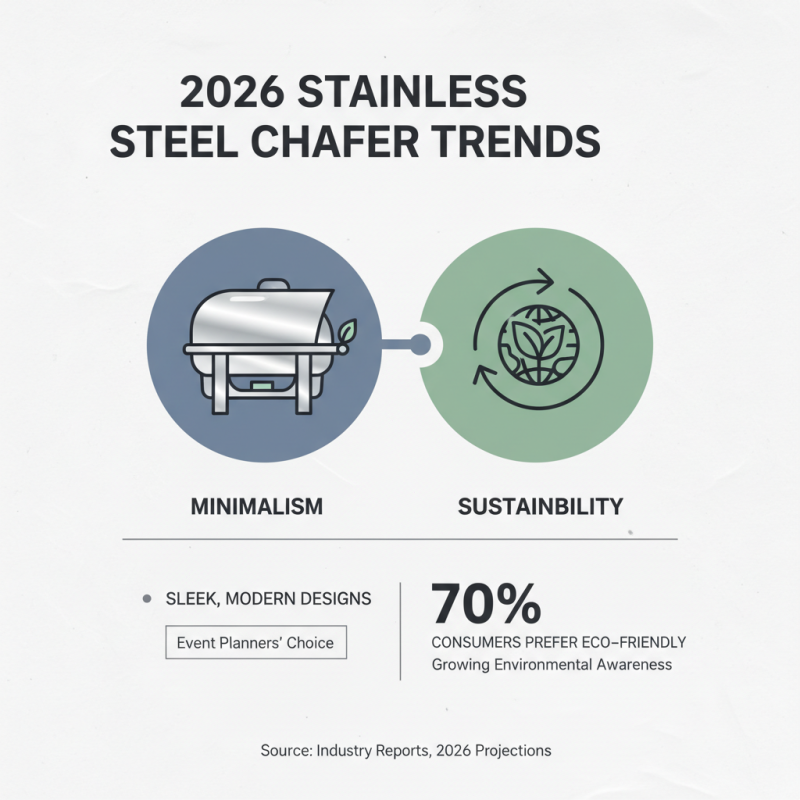
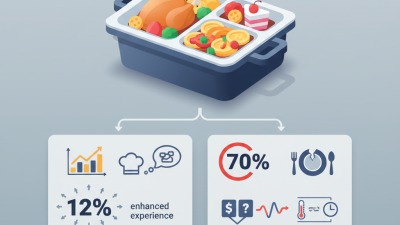
In 2026, trends in stainless steel chafer designs are shifting towards minimalism and sustainability. More event planners prefer sleek, modern designs. According to industry reports, 70% of consumers now prefer products with eco-friendly credentials. This is a significant change, reflecting a growing awareness of environmental impact.
Aesthetics also play a crucial role in these designs. Polished stainless steel reflects elegance and modernity. The trend is increasingly about blending functionality with visual appeal. However, there are challenges. Many chafers are still heavy and cumbersome. This can lead to logistical issues during caterings. In fact, studies show that 55% of caterers have experienced difficulties in transport.
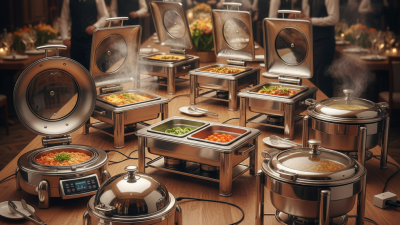
Innovative features enhance user experience. Some chafers now include smart thermostats for better heat control. Others offer modular designs for easier stacking. However, not all innovations have been successful. Some features can complicate usage rather than simplify it. The balance between innovation and practicality is still a work in progress.
Impact of Eco-Friendly Materials on Stainless Steel Chafer Production
The shift toward eco-friendly materials is significantly shaping the production of
stainless steel chafers. Many manufacturers are exploring sustainable options that minimize
environmental impact. Using recycled stainless steel is one example. This material not only reduces waste
but also maintains durability and aesthetic appeal.
Incorporating biodegradable components in designs is another trend. This allows for
reducing landfill contributions after the product's life cycle. However, the balance between sustainability
and functionality can be challenging. Some eco-friendly materials may not withstand high temperatures, leading to potential safety issues.
Consumers are demanding more environmentally sound choices. As a result, manufacturers are under pressure to innovate. The transition to
greener materials may lead to higher costs. Yet, the long-term benefits could outweigh
these initial investments. Finding an equilibrium between sustainability and quality remains a constant journey for the industry.
Technological Innovations in Chafer Heating Elements and Insulation
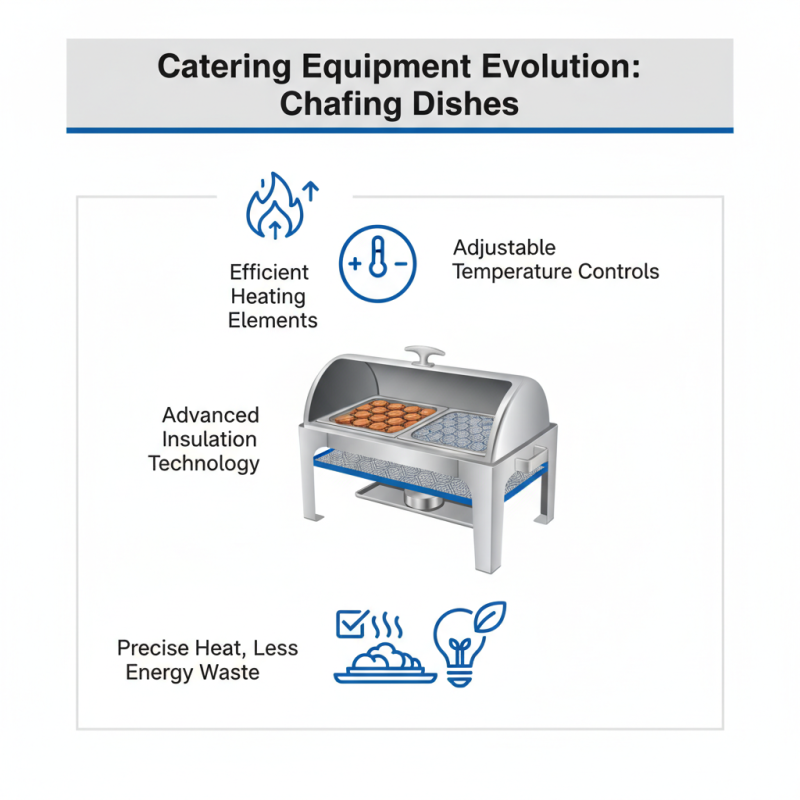
In the evolving landscape of catering equipment, chafer designs are rapidly advancing. Heating elements have become more efficient and user-friendly. Many new chafers now feature adjustable temperature controls. This allows for precise heating, ensuring food is served at the right temperature. Insulation technologies are also improving. Advanced materials help maintain warmth while minimizing energy use.
Some chafers now incorporate smart technology. This includes sensors that alert when temperatures drop. Although this innovation sounds promising, reliance on technology can sometimes lead to malfunctions. A simple battery failure can disrupt service. These designs strive to blend practicality with innovation, yet they require careful consideration in high-demand settings.
New insulation technologies are making chafers more sustainable. Improved insulation means less heat loss, leading to energy savings. However, users must remain vigilant, as even the best insulation can wear over time. It is essential to regularly check the condition of both the chafer and its insulation. While these innovations enhance functionality, the focus on materials and design must always include durability.
Market Analysis: Growth Projections for Stainless Steel Chafers by 2026
The market for stainless steel chafers is set to grow significantly by 2026. Recent studies forecast a compound annual growth rate (CAGR) of 6.5% in the global chafer market. This growth is driven mainly by increasing demand in the hospitality sector. Event catering companies are at the forefront, seeking durable and stylish serving solutions.
One interesting trend is the rising focus on sustainability. Consumers increasingly prefer eco-friendly products. Many new stainless steel chafers use recycled materials, appealing to environmentally conscious buyers. Innovations, such as improved insulation technology, enhance food temperature retention. However, challenges remain. Not all manufacturers adopt sustainable practices. The market still struggles with a mixed approach to environmental responsibility.
Additionally, consumers now desire versatile designs. They want chafers that fit various settings, from formal banquets to casual gatherings. A survey noted that over 70% of buyers prioritize multifunctionality. Yet, the available options can be overwhelming, leading to confusion in decision-making. As the market evolves, addressing these consumer concerns will be crucial for sustained growth.
2026 Top Stainless Steel Chafer Trends and Innovations Explained
| Trend/Innovation |
Description |
Projected Market Growth (%) |
Key Features |
| Eco-friendly Materials |
Increased demand for sustainable and recyclable materials in chafer designs. |
15% |
Biodegradable components, recyclable designs. |
| Smart Technology Integration |
Implementation of IoT systems for temperature control and monitoring. |
20% |
Wireless connectivity, mobile app integration. |
| Customization Options |
Rise in consumer preference for personalized chafer designs. |
10% |
Color, size, engraving options. |
| Durability and Longevity |
Stronger materials to reduce wear and tear and increase product lifespan. |
12% |
High-grade stainless steel, scratch-resistant coatings. |
| Enhanced Aesthetics |
Focus on design elegance and visual appeal for upscale events. |
18% |
Polished finishes, artistic designs. |
Consumer Preferences: Key Features Driving Stainless Steel Chafer Sales
In 2026, stainless steel chafers are trending as essential items for catering events. The consumer demand for functionality and aesthetics drives innovation in this market. Many consumers are looking for chafers that not only keep food warm but also enhance table presentation. Sleek designs with polished finishes are gaining popularity and are in high demand.
One of the key features influencing buyers is durability. Stainless steel chafers must withstand frequent use and resist wear. Lightweight models are preferred for easy transport, while sturdy options are valued for stability. Self-serve features such as lids that stay open can significantly improve user experience. Still, some chafers struggle in this area, leading to frustration during busy events.
Sustainability also plays a role in decision-making. Consumers increasingly prefer products made from recyclable materials. However, not all manufacturers meet these expectations. Some chafers lack eco-friendly certifications, leaving consumers uncertain. This inconsistency highlights the need for clearer information in the market. Choosing a chafer should balance aesthetics, functionality, and environmental impact to satisfy modern consumers.