Choosing the right Buffet Food Pan in 2026 requires more than comparing prices or polished product photos. Global buyers must consider food safety, heat performance, durability, transport, and long-term maintenance. A pan that looks elegant may warp under repeated heating. Another may perform well but fit poorly inside standard buffet equipment.
This guide examines practical pan types for hotels, restaurants, caterers, schools, and event venues. It considers stainless steel, aluminum, porcelain, ceramic, and compatible disposable options. Each material offers different benefits. Stainless steel usually provides strong durability and easier cleaning. Ceramic can improve presentation but may chip during transport. Aluminum often reduces weight, yet it may require careful handling. Small details matter, including pan depth, lid design, corner shape, and compatibility with induction or electric warmers.
Experience from food-service operations shows that the “best” choice depends on service conditions. A busy hotel breakfast line needs fast replenishment and reliable heat retention. A wedding caterer may value lighter pans and safer transport. Buyers should also verify dimensions, temperature limits, cleaning instructions, and supplier documentation. Regional requirements can differ, so assumptions deserve checking.
There is no perfect pan.
Some recommendations remain incomplete without testing. Request samples when possible. Place them in your actual chafing dishes. Observe condensation, staining, handling comfort, and cleaning time. This article helps global buyers compare options with clearer expectations, fewer surprises, and a more realistic view of value.
Buffet food pans are removable containers designed to hold, heat, and present prepared food in service counters. They are commonly made from stainless steel, aluminum, or heat-resistant composite materials. Each material behaves differently. Stainless steel resists corrosion and handles frequent washing, while aluminum transfers heat quickly but may dent more easily.
A pan sits inside a larger well, often called a food warmer or bain-marie. Hot water surrounds the pan and spreads gentle heat across its base and sides. Some systems use dry heat instead. Electric heating elements warm the pan directly, but temperature control requires closer attention. Water-based heating usually protects sauces and cooked vegetables from sudden scorching. Still, it cannot correct poor portion planning.
Food pans come in several depths and capacities. Shallow pans suit fried items, sliced meat, and foods needing frequent replenishment. Deeper pans hold soups, rice, or stews, but they can cool unevenly when nearly empty. I have found that matching pan depth to serving speed matters more than choosing the largest size. A loose-fitting lid can waste heat and reduce food quality. A tight lid may trap condensation and soften crisp surfaces.
Global buyers should check dimensional standards, material grades, temperature limits, and cleaning requirements before ordering. Pan compatibility is not universal. Small differences in length or corner shape can prevent proper seating. Food-contact surfaces should be smooth, stable, and easy to inspect. Thermometers should verify actual food temperature, because a warm pan does not always mean safely heated food.
| Food Pan Type | Common Material | Typical Temperature Range | Typical Sizes | How It Works | Best Applications | Main Advantages | Important Buying Considerations |
|---|---|---|---|---|---|---|---|
| Stainless Steel Food Pan | Food-grade stainless steel, commonly 18/8 or 18/10 | Often suitable for hot holding and cold storage; exact limits depend on the pan and heating equipment | GN 1/1, 1/2, 1/3, 1/4, 2/3; depths commonly 20–200 mm | Transfers heat from water baths, induction systems, hot plates, or steam tables while holding prepared food. | Hot entrées, vegetables, sauces, rice, pasta, and carved foods | Durable, hygienic, recyclable, stain-resistant, and generally dishwasher-safe | Check steel grade, gauge, reinforced corners, anti-jam design, lid compatibility, and compatibility with induction or chafing equipment. |
| Polycarbonate Food Pan | Clear or colored polycarbonate plastic | Commonly used for refrigerated or ambient service; many models are not intended for hot holding | GN 1/1, 1/2, 1/3, 1/4; shallow and deep versions | Provides a transparent view of contents, helping staff identify food without opening the container. | Salads, fruit, toppings, desserts, cold cuts, and refrigerated ingredients | Lightweight, impact-resistant, stackable, and easy to identify visually | Confirm the manufacturer’s temperature rating, dishwasher suitability, resistance to staining and scratching, and food-contact compliance. |
| Polypropylene Food Pan | Food-grade polypropylene plastic | Typically selected for chilled storage and preparation; heat limits vary by construction | GN 1/1, 1/2, 1/3, 1/4, and smaller ingredient-pan formats | Stores and organizes ingredients in refrigerators, prep counters, and transport containers. | Marinated foods, vegetables, sauces, deli items, and mise en place | Lightweight, economical, chemical-resistant, and practical for high-volume preparation | Verify maximum temperature, rigidity when fully loaded, lid fit, nesting performance, and resistance to oil or acidic foods. |
| Melamine Buffet Pan | Melamine resin servingware | Generally intended for cold or room-temperature presentation, not direct heating | Common rectangular and GN-compatible presentation sizes | Presents food in a ceramic-like vessel while the actual temperature is controlled by an external display system. | Salads, pastries, fruit, cold appetizers, and dessert displays | Attractive appearance, low weight, strong impact resistance, and good presentation value | Do not use in ovens, microwaves, or direct heating unless specifically approved; check commercial dishwasher instructions. |
| Porcelain or Ceramic Buffet Pan | Glazed porcelain or vitrified ceramic | Suitable for food presentation; thermal-shock and oven limits differ by product | Rectangular, square, oval, and GN-compatible formats | Retains heat better than many plastics and provides a premium serving surface. | Baked dishes, gratins, desserts, salads, and upscale buffet presentations | Premium appearance, non-reactive surface, and good resistance to food odors | Consider weight, chipping resistance, stacking design, thermal-shock rating, and replacement cost. |
| Glass Food Pan | Tempered or heat-resistant glass, depending on the model | Temperature limits vary considerably; only use for heating when explicitly rated for it | Commonly shallow to medium-depth rectangular formats | Displays food clearly and may move from chilled storage to service when approved for the temperature change. | Salads, desserts, fruit, cold appetizers, and transparent presentations | Excellent visibility, non-porous surface, and resistance to food staining | Check thermal-shock resistance, edge protection, breakage risk, weight, and suitability for commercial service. |
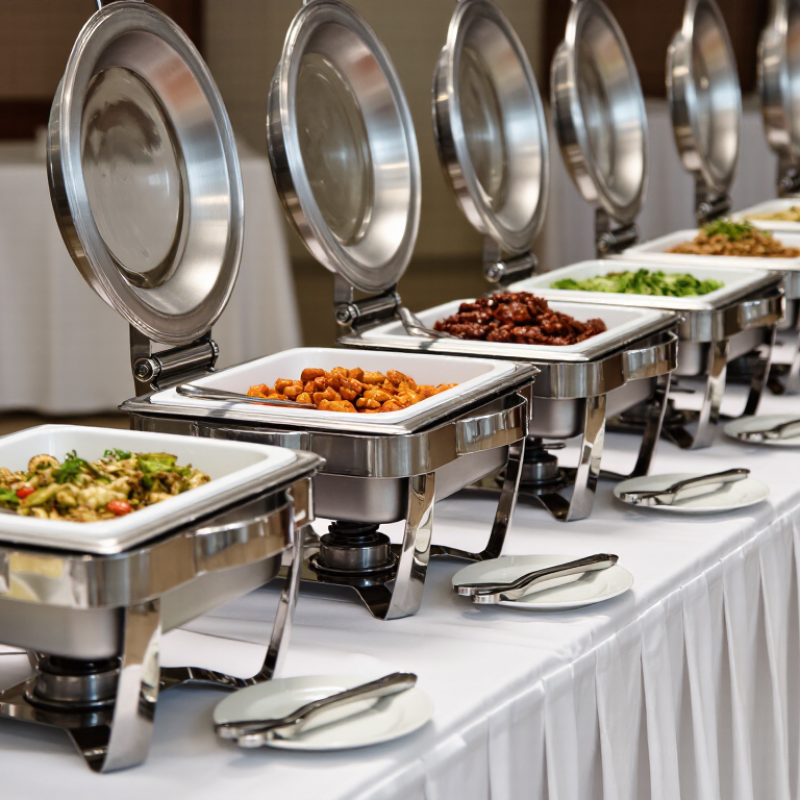
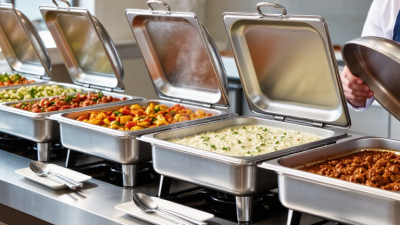
| Chafing Dish Food Pan | Usually stainless steel, often with a separate water pan | Designed for maintaining hot food at safe service temperatures; follow local food-safety requirements | Usually full-size or half-size buffet formats; common depths include 65–100 mm | Fuel, electric heat, or induction warms the water pan or food pan to reduce direct heat exposure. | Hot buffets, banquets, catering, breakfast service, and outdoor events | Portable hot holding, attractive presentation, and modular pan replacement | Confirm fuel or power requirements, water-pan dimensions, lid design, ventilation, safety controls, and local regulations. |
| GN Standard Food Pan | Stainless steel, plastic, porcelain, or other approved food-contact material | Depends on the selected material and equipment rating | GN 1/1: 530 × 325 mm; GN 1/2: 325 × 265 mm; GN 1/3: 325 × 176 mm; GN 1/4: 265 × 162 mm | Uses standardized external dimensions so pans, lids, shelves, counters, refrigerators, and hot-holding units can work together. | Commercial kitchens, hotel buffets, catering operations, and food transport | Interchangeability, efficient space planning, easier inventory control, and broad equipment compatibility | Confirm the GN size, pan depth, corner radius, lid type, perforation pattern, and compatibility with the target equipment. |

Choosing food pan material depends on heat, service speed, cleaning routines, and guest behavior. Stainless steel suits busy hotel buffets because it handles repeated heating, stirring, and washing. Its rigid surface also resists dents better than thinner alternatives. For soup, curry, and roasted vegetables, it offers dependable performance beside chafing dishes.
Aluminum pans heat quickly and reduce handling weight during large events. They work well for temporary catering and high-volume meal service. However, thin aluminum can bend under heavy food. It may also react with strongly acidic dishes if the lining is damaged. Test the pan before service, especially with tomato sauces or citrus-based recipes.
Polycarbonate pans are useful for chilled salads, fruit, and desserts. Their transparency helps staff monitor portions without opening every container. They are lighter than metal and safer around crowded self-service counters. Melamine can provide a refined appearance for cold displays, but it is not suitable for direct cooking or intense heat. Outdoor buffets need extra attention. Wind, sunlight, and uneven tables expose weak materials quickly. I once selected lightweight pans for an outdoor lunch, and frequent refilling made them slide too easily. A heavier base would have been wiser. Always check food-contact compliance, temperature ratings, and cleaning instructions for the destination market. Supplier documents matter, but real service conditions reveal weaknesses faster.
Which food pan materials suit different buffet environments?
Relative suitability rating from 1 to 5, based on common food-service material characteristics. Stainless steel performs well in both hot and chilled buffets; aluminum offers efficient heat transfer; polycarbonate and polypropylene are lightweight choices mainly suited to chilled displays and moderate-temperature service.
Pan shape should follow the food’s movement, not only the chafing dish footprint.
Rectangular full-size pans suit rice, pasta, roasted vegetables, and large protein portions. Their broad surface supports faster serving and easier utensil access. Half-size pans work better for sauces, side dishes, and rotating choices. Quarter-size pans help protect premium toppings from long exposure.
Depth matters when menus change during service.
A 65-millimeter pan fits shallow dishes, including grilled vegetables and breakfast eggs. A 100-millimeter pan suits curries, stews, and moist casseroles. Deeper 150-millimeter pans hold more volume, but they can slow reheating and hide food beneath the serving line.
The U.S. Food Code recommends hot holding at 57°C or above, so buyers should match depth with equipment recovery performance.
Bigger is not always better.
Portion planning also deserves attention.
The UNEP Food Waste Index Report 2024 estimated 1.05 billion tonnes of food were wasted in 2022. Smaller pans can support frequent replenishment, especially for salads, desserts, and culturally varied dishes. Standard Gastronorm dimensions under EN 631-1 improve compatibility across international kitchens.
However, standards do not solve every layout problem. A narrow pan may fit the counter but frustrate serving. A deep pan may reduce refilling but create uneven temperature control. I would test one complete service cycle before ordering thousands of units.
When comparing buffet food pans, heating control should lead the assessment. A pan that holds food safely at a stable temperature protects texture and reduces waste. Electric heating suits venues with reliable power and adjustable thermostats. Induction systems can heat quickly, but they require compatible cookware and careful temperature testing. Water-bath heating is gentler for sauces, rice, and delicate dishes. Dry heat may work better for roasted items and foods needing a firmer surface.
Check the operating details, not only the advertised capacity. Compare voltage, frequency, plug requirements, and control accuracy for each destination market. A pan should fit standard service counters and common gastronorm dimensions. Lids, hinged covers, and clear viewing panels help retain heat during busy periods. Cool-touch handles reduce handling risks. Removable inserts and smooth corners make cleaning faster. Small details matter.
Material choice also affects long-term value. Food-grade stainless steel usually offers strong corrosion resistance and consistent cleaning performance. Insulated walls can reduce heat loss, although they may increase weight. Test the pan with real dishes before placing a large order. A thermostat reading alone is not enough. Check temperature recovery after staff open the lid repeatedly. I still find this step overlooked. Some pans perform well in demonstrations but struggle during crowded service. Buyers should also review local food-contact rules, electrical safety requirements, warranty support, and replacement-part availability. A lower purchase price can become expensive when controls or seals fail early.
For global buffet buyers, food pan selection starts with safe contact surfaces. Stainless steel pans suit hot foods, acidic sauces, and frequent washing. Polycarbonate pans can reduce weight and improve visibility for chilled displays. Each material needs a verified food-contact declaration for the destination market. Ask for material grades, test reports, and batch traceability. Do not rely on a sales claim alone.
Inspect the pan in person, when possible. Check smooth corners, even welds, stable rims, and lids that close without pressure. Sharp edges can injure staff and trap food residue. Confirm temperature limits for ovens, steam tables, refrigerators, and dishwashers. A pan that warps after repeated heating creates both waste and hygiene risks. Local rules may differ, so buyers should have compliance documents reviewed by qualified personnel. This step is often skipped.
Total cost includes more than the purchase price. Compare unit cost, freight volume, stacking efficiency, cleaning time, replacement rates, and expected service life. A heavier pan may survive years but increase shipping and handling expenses. A cheaper pan may crack early and interrupt service. Calculate costs across several operating cycles, not one delivery. I have found that small details matter. For example, compatible lids can reduce spills, while poor nesting can consume valuable storage space. No checklist is perfect; actual staff feedback may reveal problems that laboratory data misses.